

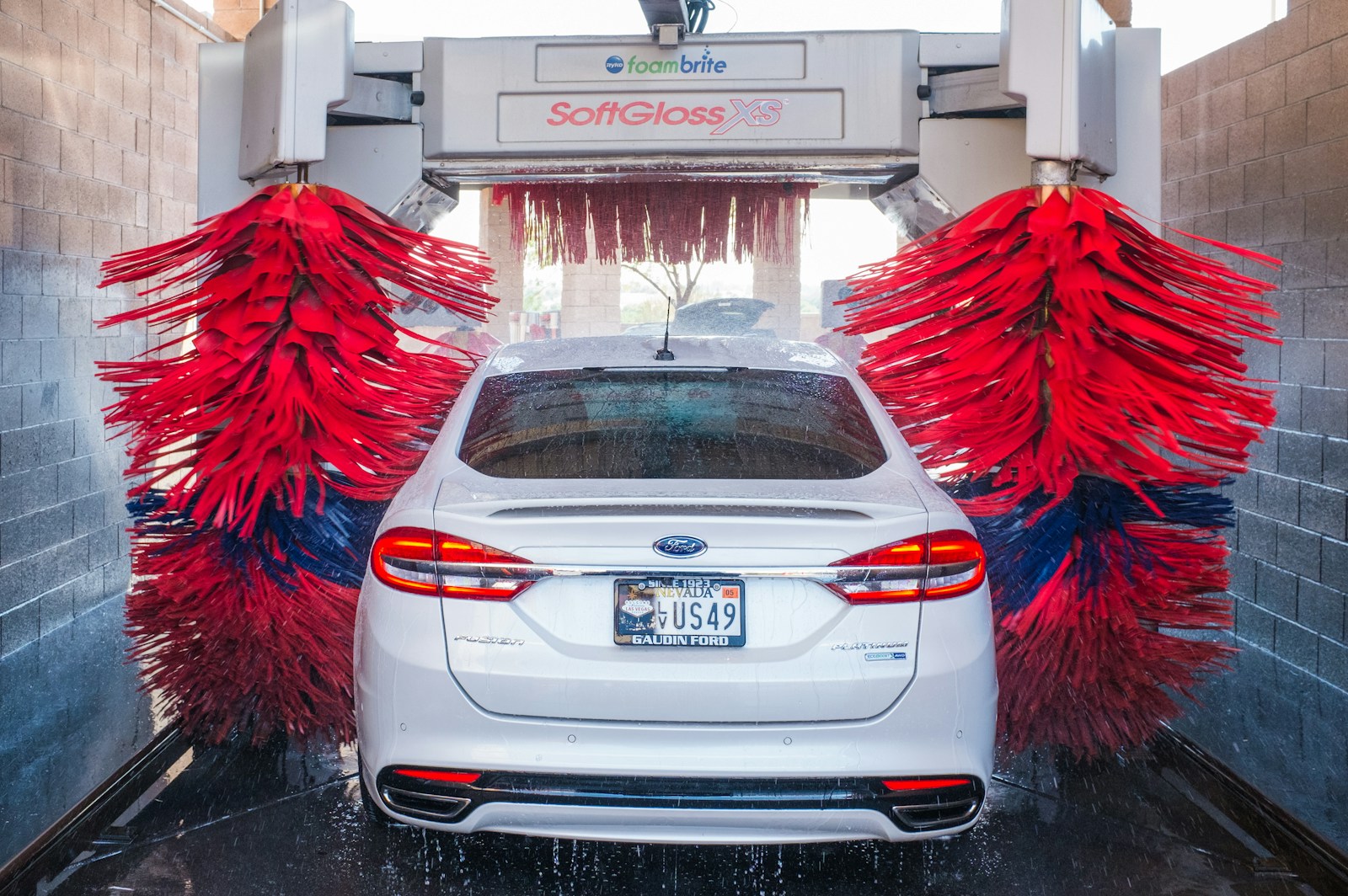
Frequent car washes, often seen as a routine maintenance task, can inadvertently harm your vehicle’s paint job, a concern that affects millions of car owners across the United States. While keeping a car clean is essential for appearance and resale value, experts warn that washing your vehicle too often—especially with improper techniques—can lead to scratches, swirl marks, and the breakdown of protective coatings.
The Risks of Overwashing
Many car owners believe that regular washing is a necessary part of vehicle maintenance, but the reality is that excessive cleaning can be detrimental. According to a study published by the International Journal of Automotive Engineering, washing a car more than once a week can lead to significant paint wear over time. This is particularly true for vehicles with delicate finishes, like the 2021 Tesla Model 3 or the 2020 BMW 3 Series, which feature advanced paint technologies that can be compromised by harsh cleaning methods.
Each time a car is washed, especially if done improperly, the risk of micro-scratches increases. These scratches, often invisible to the naked eye, can accumulate and result in dulling of the paint surface, which can ultimately diminish the car’s aesthetic appeal and value. This is a pressing issue for those who invest thousands in their vehicles, as a poor paint job can lead to lower resale values.
Common Mistakes in Car Washing
One of the most common mistakes car owners make is using the wrong type of wash mitt or sponge. Many individuals resort to household items, like sponges or old rags, which can contain debris that scratches the paint. Experts recommend using a microfiber wash mitt specifically designed for automotive use, as these are less likely to cause damage while effectively lifting dirt and grime.
Additionally, using the wrong soap can have harmful effects. Household cleaning agents, like dish soap, are not formulated for automotive finishes and can strip away essential wax and sealant layers. Instead, car owners should opt for pH-balanced car wash soaps, which are designed to clean without harming the protective coatings.
Environmental Factors to Consider
Environmental conditions also play a significant role in the decision to wash a car. For example, washing a vehicle during high temperatures can cause soap to dry too quickly, leading to spots and streaks. Similarly, washing your car on a windy day can result in dirt and debris being blown onto the wet surface, compromising the clean finish. Weather conditions can greatly affect the washing process, making it crucial for car owners to choose the right time to wash their vehicles.
Furthermore, the chemical composition of water can impact the paint. Hard water, which is high in mineral content, can leave spots and residues on the vehicle’s surface. This can be particularly problematic in areas with hard water sources. Using distilled water or investing in a water softener can help mitigate these issues, ensuring a better finish after washing.
Frequency of Washing: What Experts Recommend
So how often should you wash your car? While there is no one-size-fits-all answer, many experts suggest washing your vehicle every two weeks, depending on your driving conditions and climate. For instance, if you frequently drive on dirt roads or live in an area with heavy pollen, more frequent washes may be necessary. However, for those in urban settings with minimal exposure to dirt and grime, a wash every two to three weeks may suffice.
Additionally, maintaining a protective coating, such as wax or a ceramic sealant, can reduce the frequency of washes needed. These coatings act as barriers against dirt and contaminants, making it easier to keep your car clean and reducing the risk of damage to the paint.
Conclusion: Protect Your Investment
Car paint is more than just a cosmetic feature; it protects the underlying metal from rust and corrosion. Understanding the potential risks of washing your vehicle too frequently is essential for maintaining its appearance and longevity. As car prices continue to rise, with the average cost of a new vehicle reaching approximately $48,000 in 2023, protecting your investment through informed washing practices is crucial.
Take a moment to evaluate your car washing habits. Are you washing too often or using improper methods? By making simple adjustments, you can preserve your vehicle’s finish and enhance its resale value. Remember, a little caution goes a long way in protecting your automotive investment.
For more information on proper car maintenance and tips for keeping your vehicle in top condition, consult with automotive care professionals or visit trusted online resources. Don’t wait—take action today to ensure your vehicle remains in pristine condition for years to come.