


In a crowded urban parking garage, a woman circled the same concrete rows again and again, convinced she had simply forgotten where she left her car. Only after a tense search did she realize the truth was stranger and more unsettling than a memory lapse: someone else had already driven her vehicle out. That unsettling twist, part comedy of errors and part cautionary tale, captures how modern cars, distracted drivers and confusing garages can combine in ways that leave both victims and bystanders stunned.
Her experience sits at the intersection of two trends that are easy to laugh off until they become personal: people genuinely losing track of their vehicles in sprawling structures, and other drivers mistakenly or deliberately taking cars that are not theirs. As technology changes how cars are unlocked, started and tracked, the line between harmless mix up and serious security failure is getting thinner, and the stakes inside multi level garages are getting higher.
The Moment a Missing Car Stops Being Funny
Most drivers have had a version of the same sinking feeling: walking out of a meeting or a mall and realizing they have no idea where the car is. At first it feels like a joke on oneself, the kind of absent minded moment that prompts an exasperated “OMG” and a nervous laugh. In one widely shared account, a driver described spending about twenty minutes wandering a lot after a meeting, convinced the problem was forgetfulness, only to realize the situation was more complicated than misplacing keys, a story that resonated with a community that treats such mishaps as oddly relatable.
That blend of embarrassment and anxiety is why so many people swap stories about parking mishaps in social spaces that invite comments like “OMG” and “After that, I started writing down where I parked. The woman in the garage followed the same emotional arc, starting with self blame and only later confronting the possibility that the car was no longer where she left it because someone else had already driven it away. What begins as a private joke about memory can quickly become a public safety concern once it is clear the vehicle is gone for reasons no amount of retracing steps can fix.
How Someone Else Can Drive Off in “Your” Car
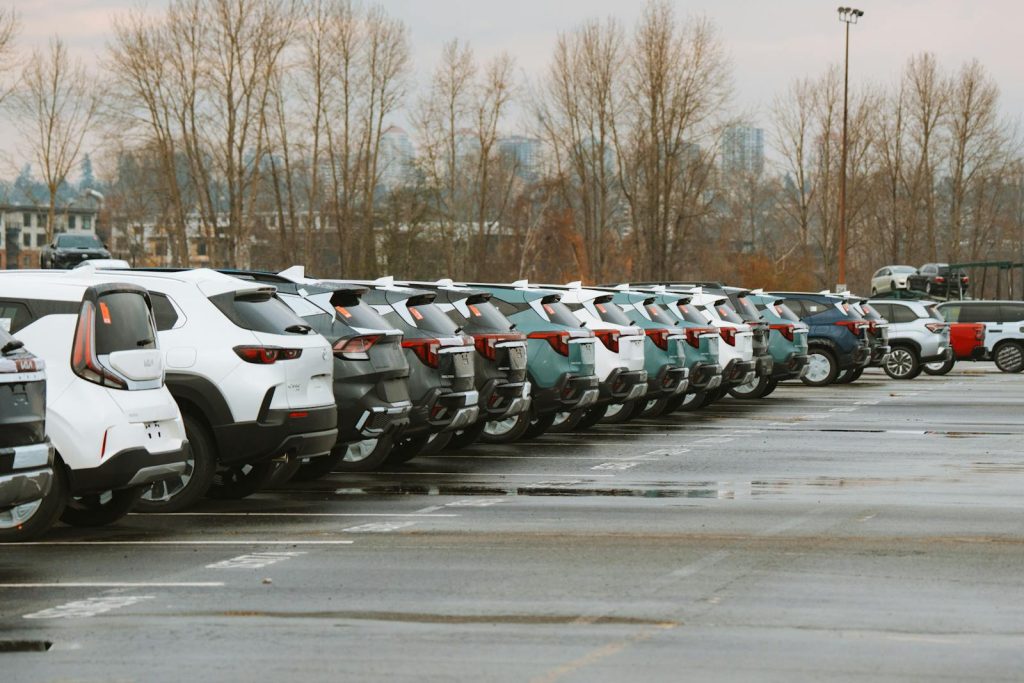
For the woman who eventually discovered that another driver had taken her car, the most unsettling part was how ordinary the theft looked. In many newer vehicles, the key is not a traditional metal blade but a proximity fob that silently unlocks doors and enables push button ignition. As driver and car owners like Karen Coon have pointed out, these systems can make it surprisingly easy to get into the wrong car, especially in lots where many vehicles share the same color and body style.
When the wrong driver approaches a similar looking car with a fob in hand, they may assume any click or beep is coming from “their” vehicle, then climb in and start the engine without realizing the mistake. In some cases, the fob signal is strong enough that the car will start even if the device is still in a bag or pocket, which can mask the fact that the electronics do not actually belong to that specific vehicle. The result is a scenario in which a stranger can pull out of a parking spot in someone else’s car, not through a cinematic break in but through a chain of small, plausible errors that only become obvious once the rightful owner returns to an empty space.
From Lost to Stolen: When Confusion Turns Criminal
The line between an honest mix up and a crime is not always clear in the first frantic minutes after a driver realizes a car is missing. For the woman in the garage, the initial assumption was that she had simply forgotten the level or row, a belief that delayed the moment she reported the car as stolen. That hesitation is common, particularly in large structures where each floor looks nearly identical and signage is easy to miss. Yet as soon as it becomes clear that the vehicle is not anywhere in the building, the situation shifts from personal confusion to a potential theft that needs a formal report and, ideally, digital tools like GPS tracking.
Other drivers have learned the hard way that garages can be repeat targets. One Woman in Washington, D.C., described having her car stolen from a parking garage twice, a pattern that left her questioning how secure the facility really was. Reporter Mariel Carbone detailed how the thefts unfolded and how the driver, speaking on a Wed evening in local time, described the frustration of returning to the same garage only to find the car gone again, this time around 7:10 PM PDT. For drivers like her, the idea that someone else could simply drive away in their vehicle is not a quirky anecdote but a recurring, costly reality.
Why Parking Garages Are Built for Confusion
Part of the problem lies in the design of many multi level garages, which prioritize capacity and traffic flow over intuitive navigation. Floors are stacked in repetitive patterns, with the same gray concrete, low ceilings and narrow lanes repeating level after level. In that environment, a driver who exits an elevator on the wrong floor can easily convince themselves they are in the right place, then spend long minutes pacing rows that look exactly like the ones above or below. The woman who lost track of her car before realizing it had been driven out was operating inside that same visual maze, where every row feels familiar and no landmark stands out.
Confusion in these structures is not just an inconvenience, it can be dangerous. In Norridge, a Woman drove off the edge of a shopping mall’s parking garage attached to Harlem Irving Plaza, flipping her car and prompting a rescue response. The incident, reported by a Chicago Digital Team, unfolded on a Monday and highlighted how tight turns, low barriers and confusing exits can turn a simple parking maneuver into a life threatening mistake. In that context, a missing car is not just a property issue, it is a sign that the environment itself can amplify small errors into serious incidents.
When a Wrong Gear or Wrong Turn Becomes a Plunge
The risks inside garages are not limited to theft or mistaken identity. In some cases, a single misjudged movement can send a vehicle over a ledge or through a wall. In one recorded incident, a driver in an SUV accidentally shifted into drive instead of reverse, then crashed through a barrier and over the edge. Audio from first responders captured the frantic calls as crews raced to rescue the driver who had gone over the side, a sequence preserved in a video that shows how quickly a routine parking maneuver can turn catastrophic when a vehicle lurches forward instead of backing up, as seen in footage of a Woman who accidentally put her SUV in drive.
Another dramatic example came from downtown Austin, where a driver from Cedar Park described how her car plunged seven stories from a parking garage. The woman, who later said she planned to sue, recounted how the vehicle went off the edge and crashed to the ground, turning a routine exit into a near fatal fall. In that case, the driver’s account, shared in a video that also references Austin and a person identified as Christy Ba, underscored how structural design, barrier strength and driver expectations intersect in ways that can magnify a single mistake. For anyone who has ever lost track of their car in a garage, these stories are a reminder that the same environment that hides vehicles can also hide serious hazards.
Security Gaps: Cameras, Keys and Human Behavior
When someone else drives a car out of a garage, the immediate question is how they managed to do it without raising alarms. Many facilities advertise security cameras and patrols, yet the reality on the ground can be patchy. Cameras may cover entrances and exits but leave blind spots in interior rows, while attendants focus on payment rather than verifying that the person behind the wheel is the registered owner. In the case of the woman whose car vanished, the lack of immediate footage or eyewitnesses meant that the first hours after the disappearance were spent reconstructing basic facts: when the car was last seen, which level it was on, and whether any gate logs showed it leaving.
Human behavior compounds those gaps. Drivers often leave valuables in plain sight, store spare keys in center consoles, or rely on valet services without checking how keys are handled. In some garages, a single attendant may juggle dozens of vehicles, increasing the risk that a key is handed to the wrong person or left where it can be taken. The D.C. driver whose car was stolen twice from the same garage raised questions about whether staff had learned from the first incident or improved procedures, a concern that echoes through every story where a vehicle disappears without a broken window or forced entry. When a stranger can drive out in someone else’s car, the failure is rarely just one person’s mistake, it is a chain of small oversights that add up to a systemic vulnerability.
When Tempers Flare in Tight Spaces
Even when no one loses a car or goes over a ledge, parking garages and lots are fertile ground for conflict. Tight spaces, limited visibility and the pressure to find a spot can turn minor misunderstandings into confrontations. In one recorded altercation, a retiree confronted a younger driver in a lot, accusing them of kicking his car and escalating the argument while repeating, in Spanish, “¿qué haces le pegaste una patada a mi auto?” and “te estoy filmando.” The younger person responded by filming as well, saying “te estoy filmando” and “¿me estás filmando sí,” capturing a standoff that quickly became more about pride than parking, as shown in the clip labeled as a Parking dispute.
Scenes like that illustrate how emotionally charged these environments can be. For the woman who discovered her car was gone, the initial frustration at herself could easily have spilled over onto attendants, security staff or other drivers once it became clear that someone else had taken the vehicle. In the retiree’s case, the confrontation escalated to the point where he said “¿sabes qué voy a …” and moved closer, a reminder that physical proximity and perceived slights can push people toward aggression. When a missing car is added to that mix, the potential for conflict grows, especially if the victim feels that staff or bystanders are not taking the situation seriously.
How Drivers Can Protect Themselves in Garages
For all the structural and technological challenges, there are practical steps drivers can take to reduce the risk of losing a car or having someone else drive it away. Simple habits like photographing the level and row, noting nearby pillars or signs, and using smartphone apps that mark a parked location can cut down on the time spent wandering. Many vehicles now integrate with apps that show the last parked position, which can quickly confirm whether the car is still in the building or has moved. For the woman in the garage, having that kind of digital breadcrumb trail could have shortened the window between realizing the car was missing and confirming that it had already left the premises.
Security minded behavior matters as well. Keeping keys and fobs on one’s person instead of in bags that can be left behind, avoiding spare keys in the vehicle, and checking that doors are locked before walking away all reduce the chances that someone else can simply climb in and drive off. In garages with attendants, asking how keys are stored and whether cameras cover the area where the car will sit can provide a quick read on risk. While no set of precautions can eliminate the possibility of theft or mix ups, they can shift the odds, turning a confusing environment into one where a driver has more control over what happens after they walk away from the vehicle.
Why These Stories Keep Resonating
Supporting sources: fateful moment when.
More from Wilder Media Group: