

A woman’s brand new SUV created a nightmare scenario at a gas station when it locked her out while the engine was still running, and the manufacturer’s mobile app she relied on to unlock it completely failed to work. She found herself stranded and unable to access her vehicle despite having the technology that should have solved the problem instantly.
The incident highlights a growing concern with modern keyless entry systems that can lock drivers out of their own running vehicles, leaving them dependent on smartphone apps that don’t always function when needed most. Similar situations have occurred with other vehicles, where drivers discovered their key fobs were locked inside after the car’s automatic locking system engaged unexpectedly.
The situation turned what should have been a routine stop into an ordeal that required finding alternative solutions. The experience raises questions about the reliability of keyless technology and connected car apps when drivers need them most urgently.
Locked Out Of A Running SUV: What Happened And Immediate Steps
Modern vehicles with keyless entry systems can lock owners out even when the engine is running, leaving drivers stranded and frustrated. The woman’s predicament at the gas station highlights how technology designed for convenience can fail at critical moments.
Brand New Vehicle Locks With Keys Inside: Why It Happens
Many newer SUVs feature automatic locking mechanisms that engage when certain conditions are met, even with the vehicle running. The systems often lock when a door closes with the key fob inside the cabin, particularly if the driver has exited the vehicle.
Some models have selective lock features that can malfunction or work in unexpected ways. When one driver got out of their 2023 PHEV to help kids exit, a child hit the door handle button and locked everyone out while the ignition remained on.
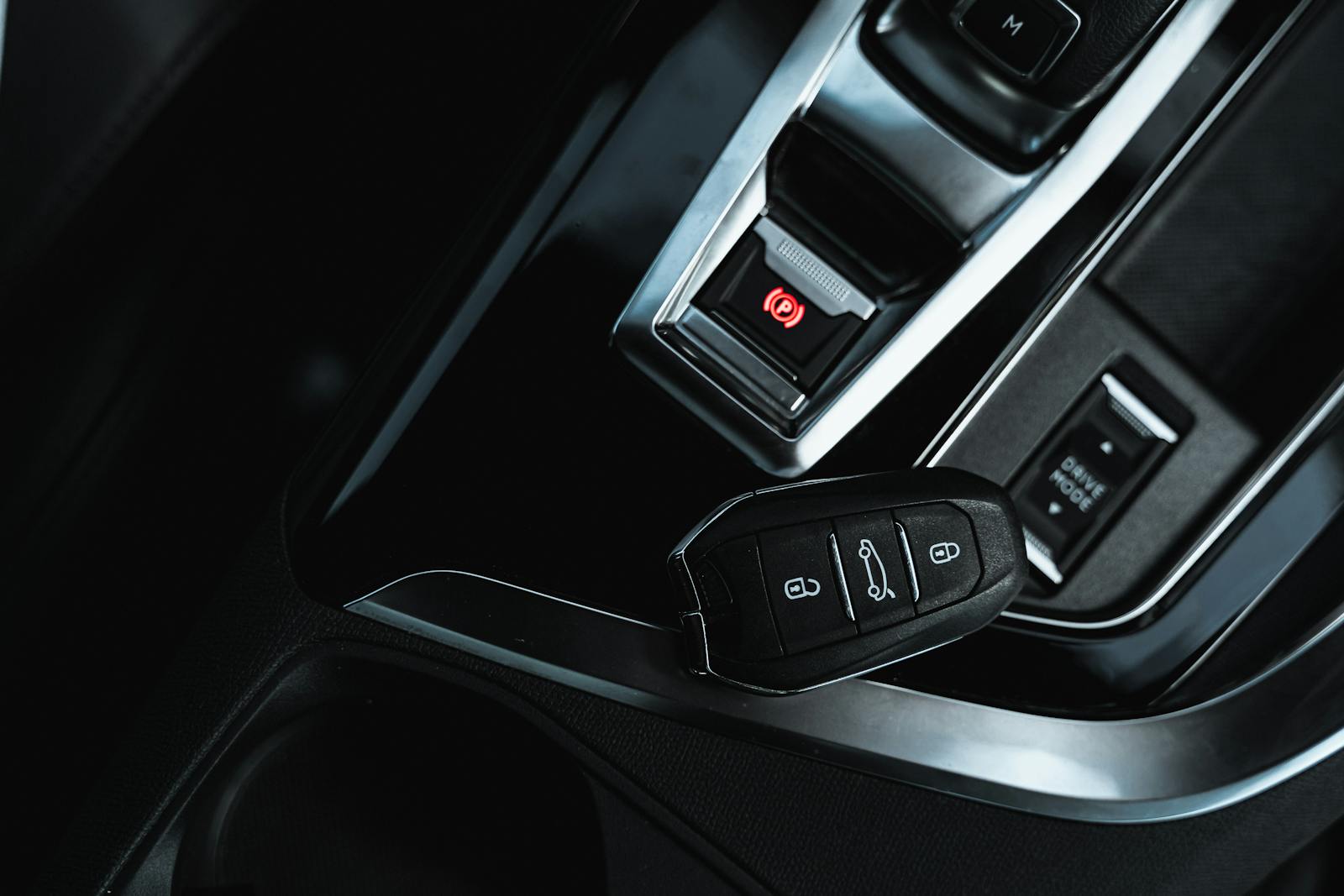
The key fob couldn’t unlock the doors because many manufacturers disable remote unlocking when the engine is running as an anti-theft measure. This safety feature becomes a problem when the fob ends up outside the locked vehicle. The only solution in that case was using the physical key hidden inside the fob to manually unlock the driver’s door.
Why Keyless Entry And Mobile Apps Can Fail
Mobile apps designed to unlock vehicles remotely depend on cellular connectivity and properly functioning vehicle systems. At a gas station, the woman discovered her app wouldn’t respond, potentially due to poor signal strength or server issues on the manufacturer’s end.
Keyless entry systems can fail when batteries in the key fob die or weaken. The wireless communication between the fob and vehicle requires sufficient power to transmit unlock signals. Environmental interference from other electronic devices or metal structures can also block the signal.
App-based unlocking requires the vehicle’s telematics system to be active and connected to the network. If the SUV’s cellular modem loses connection or the subscription service has lapsed, the app becomes useless. Some vehicles also have delays built into their remote systems that can take several minutes to process unlock commands.
First Moves When You Discover You’re Locked Out
The woman likely checked all door handles first, hoping one remained unlocked. She then attempted to use her key fob multiple times, pressing buttons and moving closer to the vehicle to rule out range issues.
Next came the mobile app, which she opened on her phone expecting to send an unlock command. When that failed, she probably contacted the dealership or manufacturer’s roadside assistance line. The running engine complicated matters since she couldn’t simply wait—fuel was burning and carbon monoxide could build up in an enclosed area.
She may have looked for the physical key slot on the driver’s door, though many modern SUVs hide or eliminate this feature entirely. Without success, calling a locksmith became necessary, though not all locksmiths can handle vehicles with advanced security systems.
Safety: What To Do If You’re Stuck At A Gas Station
Being stranded at a gas station with a running vehicle creates specific hazards. The woman needed to stay near her SUV to prevent theft while keeping distance from fuel pumps where exhaust fumes could accumulate.
Gas station attendants can sometimes offer temporary shelter or a phone if needed. She likely moved to a visible area where security cameras could monitor her vehicle. The running engine meant she couldn’t leave the SUV unattended for long without risking someone driving away with it.
If children or pets were inside, the situation would become an emergency requiring immediate 911 contact. The temperature inside a locked vehicle can rise or fall dangerously fast. First responders can break windows legally when lives are at risk, though that wasn’t necessary in this case.
How To Get Back In And Avoid It Again
Getting locked out of a running vehicle presents immediate challenges that require quick solutions, from contacting professional services to attempting DIY methods. The situation also highlights the need for backup plans like spare keys and understanding how modern keyless systems can fail.
Roadside Assistance And The Role Of Professional Help
Most drivers turn to roadside assistance programs like AAA when they find themselves locked out. These services send trained technicians who can unlock vehicles without causing damage. Many auto insurance policies include similar benefits at no extra cost.
The woman at the gas station could call a locksmith if she doesn’t have a roadside assistance membership. Professional locksmiths arrive with specialized tools designed specifically for automotive lockouts. They avoid outdated methods that damage modern door mechanisms.
Local fire or police departments sometimes provide unlocking services in non-emergency situations. However, this varies by location and shouldn’t be the first option unless the situation becomes urgent. Professional help typically costs between $50 and $150 depending on the time of day and location.
DIY Solutions: Slim Jim, Shoelace Hacks, And More
The traditional slim jim method has fallen out of favor because it can damage the internal workings of modern doors. Professional firefighters no longer use slim jims due to their low success rate with newer vehicles.
A more effective DIY approach involves plastic wedges and a long metal rod. The wedges create a small gap at the top corner of the door, allowing the rod to reach the unlock button or door handle. Two wedges work better than one—positioning them below and in front of the upper corner minimizes paint damage.
Some people attempt the shoelace method on vehicles with vertical door locks. This involves creating a loop in a string and working it around the lock post. The success rate remains extremely low, making it truly a last resort option.
The Importance Of Spare And Magnetic Key Holders
A spare key eliminates most lockout scenarios entirely. Some drivers zip-tie a spare key in a hidden but accessible location under their vehicle.
Magnetic key holders attach under the car frame, though their reliability decreases in areas with rough roads and potholes. Using a secondary securing method beyond just the magnet prevents losing the holder completely. Vehicles with trailer hitches can use specialized products that turn the hitch into a small safe.
The easiest solution involves keeping a spare in a wallet or purse since people rarely leave those behind in the car. Some drivers leave a spare at home in an obvious location so family members can quickly retrieve it when needed.
Modern Key And Lock Tech: Transponder Keys And App Troubleshooting
Transponder keys add complexity to lockout situations because they contain electronic chips that communicate with the vehicle. A basic copy from a hardware store won’t start the car, though some dealerships provide temporary keys that unlock doors without starting the engine.
The woman’s app failure represents a growing problem with keyless entry systems. These apps require cellular data or Bluetooth connectivity, which can fail in areas with poor reception. Deleting and reinstalling the app sometimes resolves connectivity issues, though this doesn’t help when the phone is also locked inside.
Some vehicles with keypads allow entry by entering a code directly on the door. This feature bypasses both physical keys and app-based systems entirely. Newer cars may lock automatically when the key fob moves a certain distance away, creating situations where the car locks itself while running if the fob is inside.