
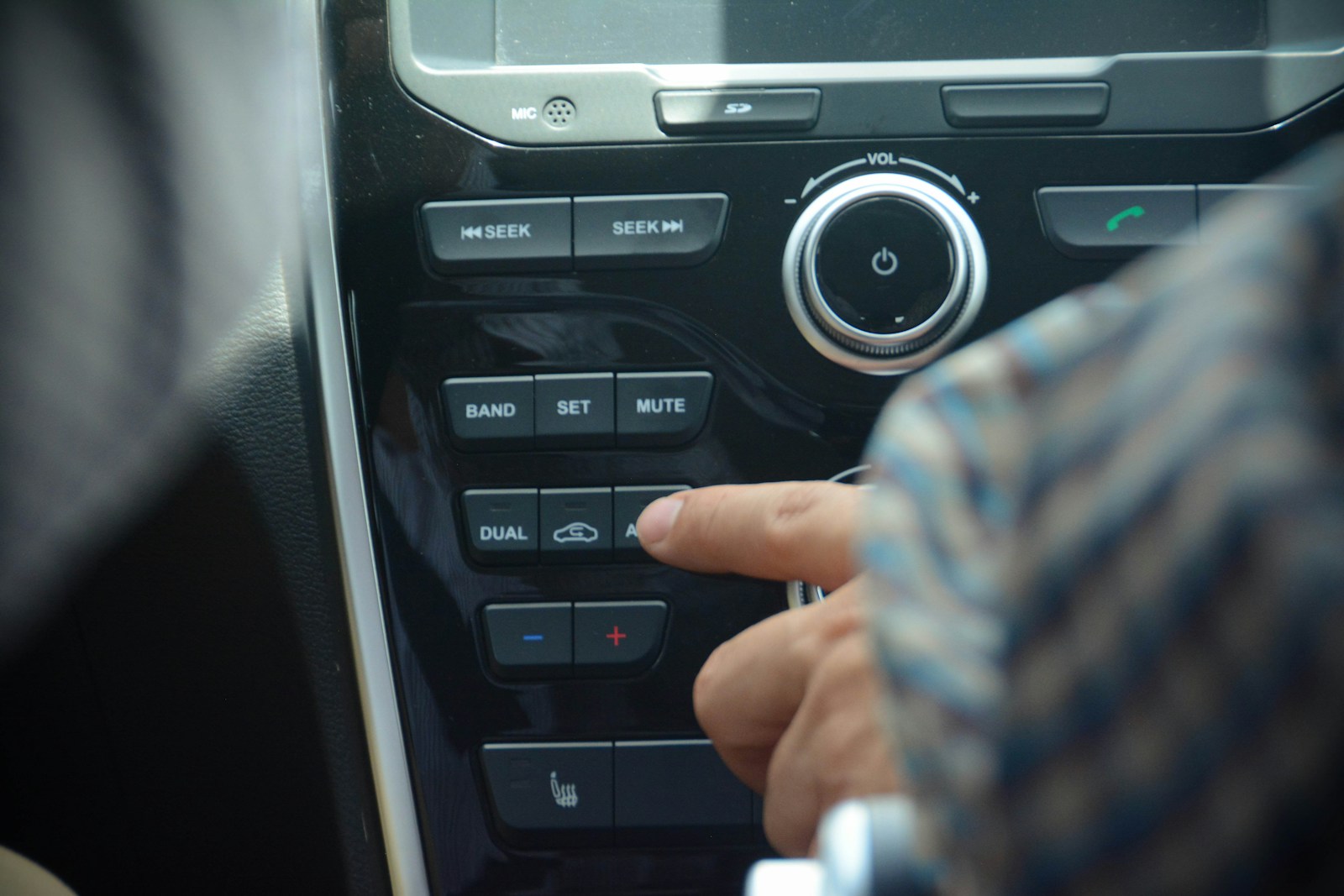

A frustrated car owner recently shared her experience with her new vehicle’s climate controls, revealing that adjusting something as simple as fan speed requires navigating through three separate touchscreen menus. The complaint highlights a growing tension between modern automotive design trends and practical usability that drivers face every day.
Her story reflects what has become the number one complaint about new vehicles according to industry research, as touchscreen-heavy interfaces force drivers to navigate complex digital menus for basic functions that once required a simple twist of a knob. The woman’s frustration centers on a task that took seconds in her old sedan but now demands multiple screen taps and divided attention while driving.
The issue extends beyond one driver’s annoyance. Research shows that touchscreen controls can be as distracting as texting while driving, raising serious safety questions about the industry’s push toward all-digital dashboards. Major automakers are now reconsidering their approach as complaints mount and studies reveal the dangers of requiring drivers to take their eyes off the road for extended periods to perform routine adjustments.
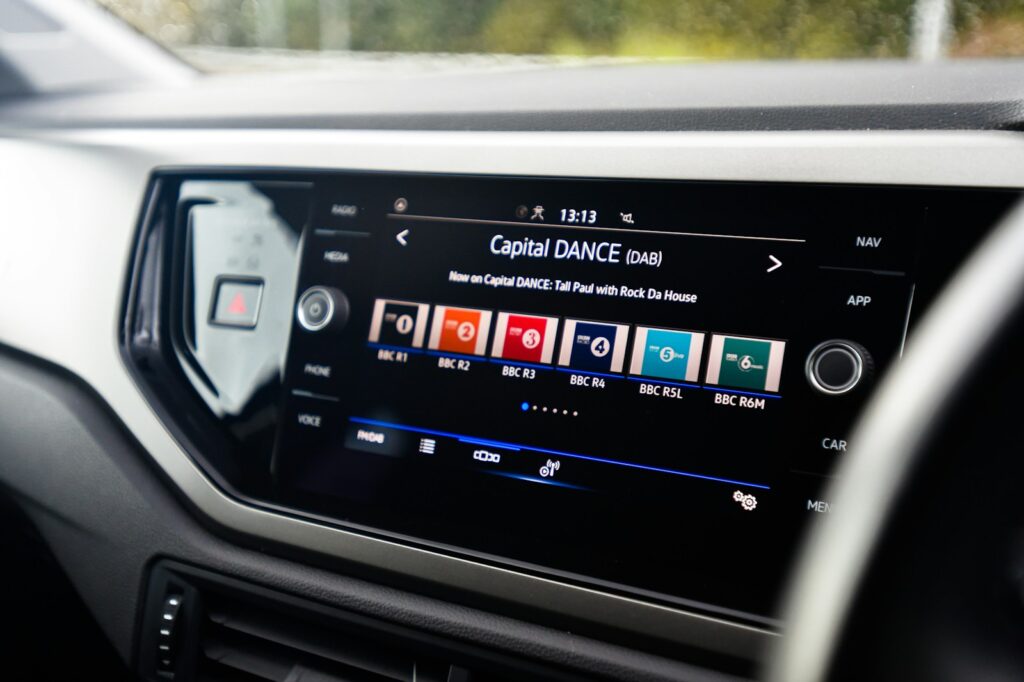
Touchscreen Menus Versus Physical Controls: Why Drivers Miss Knobs and Buttons
The shift from traditional controls to touchscreen-heavy dashboards has created widespread frustration among drivers who find themselves hunting through multiple digital menus for basic functions. Research shows that physical buttons allow for faster, safer adjustments while keeping eyes on the road, yet many manufacturers continue prioritizing sleek minimalist designs over practicality.
The Frustration of Navigating Multiple Touchscreen Layers
Modern drivers routinely encounter scenarios where adjusting climate control or fan speed requires navigating through three or more touchscreen menus. This complexity turns simple tasks into frustrating exercises in menu diving.
A 2022 Swedish car magazine study found that adjusting basic controls in a 2005 Volvo V70 with physical buttons took just 10 seconds. The same tasks in an electric MG Marvel R with touchscreen controls required 45 seconds of menu navigation.
Some functions have become particularly absurd. Multiple YouTube tutorials exist explaining how to open a Tesla’s glove box, which requires clicking through car settings, then controls, before finally reaching the open command. One tutorial begins by instructing drivers to “click on that car icon to access the menu settings.”
The issue extends beyond inconvenience. Automakers nest key controls deep in touchscreen menus, forcing motorists to drive eyes-down rather than concentrate on the road ahead. Mercedes-Benz vehicles require owners to navigate to “Comfort Settings” within the MBUX Hyperscreen to activate heated steering wheels, while a Nissan Leaf offers an easy-to-reach physical button for the same function.
Physical Buttons and Knobs: Eyes-Free Operation
Traditional knobs and buttons provide tactile feedback that allows drivers to make adjustments without looking away from the road. This muscle memory capability represents a fundamental safety advantage over flat touchscreens.
Physical controls offer what designers call “natural affordances.” Drivers can feel for them, adjust them without looking, and rely on muscle memory developed over time. A survey of 1,428 drivers found that 89 percent preferred physical buttons over touchscreens.
Key advantages of physical controls:
- Tactile feedback confirms successful input
- Location memory allows blind operation
- Immediate response without menu navigation
- Works with gloves in cold weather
- No need to aim or visually target
The Mazda CX-60 demonstrates a balanced approach with its 12.3-inch infotainment screen alongside physical switchgear for heater, air conditioning, and heated or cooled seats. This hybrid design acknowledges that traditional car controls allow drivers to intuitively adjust settings without navigating through complex menus.
Volkswagen design chief Andreas Mindt recently admitted his company’s mistakes, stating that future models will feature physical buttons for volume, seat heating, fan controls, and hazard lights in every car. “It’s not a phone, it’s a car,” Mindt told British car magazine Autocar.
Touchscreens and Increased Driver Distraction
The safety implications of touchscreen-heavy dashboards extend far beyond inconvenience. Research reveals that infotainment systems impair reaction times more severely than alcohol or cannabis use.
A study by British consultancy TRL discovered that using Apple CarPlay by touch resulted in reaction times nearly five times worse than driving at the drink-drive limit. The same study found touchscreen use created reaction times nearly three times worse than driving while high on cannabis.
Distraction plays a role in up to 25 percent of crashes in Europe, according to a European Commission report. The research found that distraction or inattention causes drivers to have difficulty with lateral vehicle control, longer reaction times, and missed information from the traffic environment.
Starting in January 2026, Europe’s EuroNCAP safety organization will incentivize automakers to fit physical controls to achieve the highest ratings. The organization wants manufacturers to preserve five principal controls as physical buttons: wipers, lights, indicators, horn, and hazard warning lights.
EuroNCAP director Matthew Avery states that almost every vehicle maker has moved key controls onto central touchscreens, obliging drivers to take their eyes off the road and raising the risk of distraction crashes.
Design Trends: From Haptic Sliders to the Minimalist Dashboard
The automotive industry’s embrace of touchscreens stems partly from economics and partly from design philosophy. Updatable touchscreens cost less to install than buttons with their associated wiring and switchgear.
Mercedes-Benz pushed the envelope with its 56-inch Hyperscreen stretching door-to-door in the latest S-Class. This massive installation comprises three separate displays in one curved black slab. Despite the visual impact, it houses climate control and other key functions within submenus.
The trend toward minimalism isn’t new. Buick introduced the first in-dash touchscreen with its 1986 Riviera, featuring a 9-inch, 91-function Graphic Control Center. Drivers hated it, and the model’s sales plummeted 63 percent year-over-year.
Now drivers are sick of endless touchscreen menus, triggering what researchers call a “re-buttoning” phase in the industry. Ninety-seven percent of new cars released after 2023 contain at least one screen, yet consumer preference clearly favors traditional controls.
Some designers acknowledge their profession’s tendency toward unnecessary complexity. Creating and controlling complexity serves as a sign of power, leading some manufacturers to pursue flashiest, most minimalist designs even when they compromise safety. The shift to touchscreens strips away natural affordances that made driving intuitive, replacing feel-based operation with look-think-aim interactions that demand significant cognitive load.
Safety and Industry Reactions: What Research and Carmakers Are Doing
Research shows touchscreens impair driving reactions more severely than alcohol, prompting European safety regulators to mandate physical buttons for five-star ratings starting in 2026. Several automakers are reversing course on all-digital dashboards.
Studies Linking Touchscreens to Safety Risks
Research by the Transport Research Laboratory found that in-vehicle infotainment systems impair reaction times behind the wheel more than alcohol and narcotics use. The study discovered that using Apple CarPlay by touch made reaction times nearly five times worse than driving at the drink-drive limit and nearly three times worse than driving while high on cannabis.
A 2022 test by Swedish car magazine Vi Bilägare compared a 2005 Volvo V70 with physical buttons against newer touchscreen-equipped vehicles. The older Volvo allowed drivers to adjust climate controls, tune the radio, and modify instrument lighting within 10 seconds. An electric MG Marvel R required 45 seconds for the same tasks as drivers navigated through nested menus.
Distraction plays a role in up to 25 percent of crashes in Europe, according to a European Commission report. The NHTSA reports that 40,000 people have died on US roads in each of the past three years for which complete federal records are available.
Regulatory Pushbacks and Five-Star Safety Ratings
Euro NCAP announced that starting January 2026, carmakers must preserve five principal controls as physical buttons to achieve the highest safety ratings. These controls include wipers, lights, indicators, horn, and hazard warning lights.
The organization’s director of strategic development Matthew Avery stated that manufacturers are on notice about bringing back buttons. While touchscreens won’t prevent vehicles from earning five stars initially, Euro NCAP plans to make entry to the five-star club harder over time with stricter tests in the next three-year cycle starting in 2029.
The Insurance Institute for Highway Safety supports reducing complexity for in-vehicle tasks. Their media director noted that research clearly shows time spent with eyes off the road increases crash risk, making tactile controls a safety improvement.
Automakers Bringing Back Physical Controls
Volkswagen design chief Andreas Mindt announced that next-generation models would feature physical buttons for volume, seat heating, fan controls, and hazard lights. He told Autocar this shift will apply “in every car that we make from now on,” acknowledging that touchscreen-only designs were a mistake.
Mazda’s latest CX-60 crossover SUV features a 12.3-inch infotainment screen but retains physical switchgear for the heater, air conditioning, and heated or cooled seats. The company’s screen limits what drivers can access while the vehicle is in motion.
A survey of 1,428 drivers found that 89 percent preferred physical buttons over touchscreens. Ninety-seven percent of new cars released after 2023 contain at least one screen, according to S&P Global Mobility.
Aftermarket Solutions and Driver Adaptation
Drivers are creating YouTube tutorials to help others navigate basic functions that previously required single button presses. One video walks Tesla owners through opening the glove box by clicking the car icon, accessing menu settings, navigating to controls, and then selecting the glove box option.
The director of traffic safety research for AAA stated that industry design changes in the US market are more likely to occur based on strong consumer demand rather than regulatory pressure. He emphasized that basic functions such as audio controls and climate controls should be accessible via buttons.
Some manufacturers are experimenting with AI and large language models to improve voice-activation technologies as an alternative to touchscreens. Mercedes-Benz has integrated ChatGPT into its vehicles’ voice control systems, though it remains too early to determine whether this approach will reduce the need for drivers to interact with menus while driving.
More from Steel Horse Rides: