
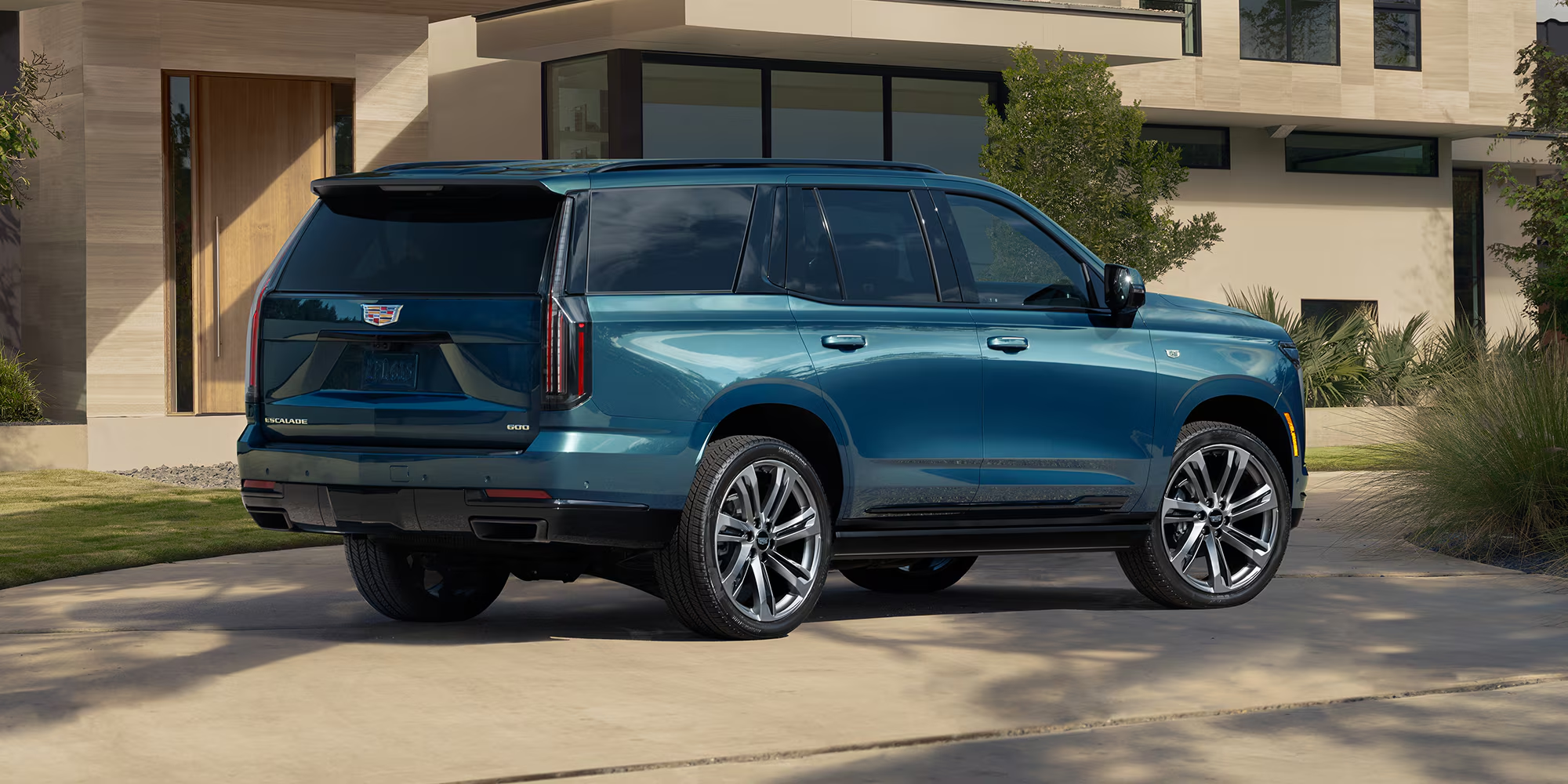

When Jan drove off the lot in her brand new Cadillac Escalade, she thought the hardest part of the purchase was over. Instead, what should have been a smooth luxury buy turned into a months long fight over a single missing document that she says she requested seven different times. Only later, after pushing for answers, did she learn what the dealership had allegedly done with the paperwork that was supposed to define her six figure SUV.
Her story is not just about one frustrated owner and one $100,000 truck. It is a window into how a tiny piece of paper, the federally required window sticker, can become the fault line between a clean sale and a legal mess, and how aggressive dealers can turn that gap into an opportunity that benefits them and leaves buyers exposed.
The dream Escalade and the first red flag
Jan walked into the showroom looking for a top tier SUV and landed on a new Cadillac Escalade, the kind of full size luxury hauler that easily stretches into six figure territory once the options pile up. The price on her particular truck was pegged at $100,000, a number that would make anyone want every detail of the deal nailed down. During the sales process, she later said she was shown a printed sticker that laid out the equipment and price, but she did not see the original factory label on the glass when she took delivery.
At first, that missing label looked like a harmless oversight, the sort of clerical miss that gets fixed with a quick call to the back office. Jan accepted the explanation and drove home, but the absence nagged at her. The window sticker is not just a pretty spec sheet, it is the official snapshot of how the Escalade left the factory, and she knew it should have been there from the start. That quiet doubt set the stage for what would become a much bigger confrontation once she started asking for the document in writing.
Seven requests, no sticker, and a growing suspicion
Over the following weeks, Jan says she asked the dealership for the original window sticker seven separate times, each request met with delays, excuses, or silence. She had already seen a printed version during the sale, but she wanted the actual label that should have been on the truck when it was new, the one that would match the vehicle identification number and the exact build. According to her account, every attempt to get that single sheet of paper only deepened the sense that something was off behind the scenes.
Her persistence was not just about tidiness. Jan understood that the sticker is a key part of a new car’s identity, and the fact that the dealer could not or would not produce it raised questions about what had happened to it. When she finally dug deeper, she learned that the original label had allegedly been altered or removed in a way that went far beyond a simple filing error, turning what started as a small annoyance into what one report described as a legal mess tied to her purchase.
Why one missing label matters so much
Under federal law, every new vehicle sold in the United States must display a window sticker at the time of sale, and that label is not supposed to be a dealer’s plaything. It is a factory issued document that lists the suggested retail price, options, destination charges, and fuel economy, and it is meant to stay with the vehicle until the buyer takes it home. When that label is missing or replaced with a homemade printout, it can be a sign that someone has been tinkering with the story the car is telling about itself, which is exactly what Jan feared had happened with her Escalade.
In her case, the absence of the original sticker raised the possibility that the dealer had altered or discarded it to hide information that might have affected the sale, such as equipment differences or pricing details that did not match what was being pitched on the showroom floor. Reporting on her dispute notes that the label at the heart of the fight was treated in a way that violated the basic rule that under federal law the sticker must be present and intact when the vehicle is sold, a requirement that exists precisely to keep buyers from being left in the dark.
From customer complaint to broader scrutiny
Once it became clear that the original label was not going to materialize, Jan escalated her fight beyond the dealership’s front desk. She filed a case with a dispute resolution program, using the missing sticker as the centerpiece of her argument that the sale had not been handled properly. Her complaint framed the absent document as a “Red Flag from Day One,” a sign that what looked like a routine luxury purchase might actually be part of a pattern of behavior that put the dealer’s interests ahead of the buyer’s right to full disclosure.
Her pushback did more than secure attention to her own Escalade. By pressing the issue, Jan helped spotlight how a single missing label can expose deeper problems in how some dealers handle paperwork and pricing. Her case, which she took to the BBB Auto Line, showed how a consumer who refuses to let a “clerical error” slide can force a closer look at practices that might otherwise stay hidden in the back office.
A $100,000 SUV with “no identity”
As the dispute unfolded, Jan’s Escalade was described as a $100,000 SUV with “no identity,” a truck whose official story had been scrambled by the way its paperwork was handled. The phrase captured the unsettling idea that a vehicle can be spotless on the outside yet murky on paper, leaving the owner unsure whether the configuration, price, or even the history matches what was promised. For a buyer who thought she was getting a flagship luxury model, the realization that the core document tying everything together was missing felt like a betrayal.
Reporting on her case laid out how the missing sticker turned into a full blown legal meltdown, with Jan’s insistence on seeing the original label clashing with a dealership that seemed determined to keep it out of sight. The story framed her Escalade as a symbol of what can happen when a dealer treats a federally required document as optional, and it underscored that a six figure price tag does not guarantee a clean, transparent deal, even on a $100,000 SUV that should have been the pride of the showroom.
More from Wilder Media Group: