

You’ll save time and money by spotting models that commonly need heavy repairs after 100,000 miles. This guide shows which cars tend to create big maintenance bills later in life so you can avoid costly surprises when shopping used or planning long-term ownership.
As you scan the list, expect clear reasons why each model earns a spot and what recurring problems to watch for, from transmissions to electrical systems. Use those signals to prioritize inspections, ask targeted questions, and decide whether a high-mileage bargain really makes sense for your needs.
Nissan Altima
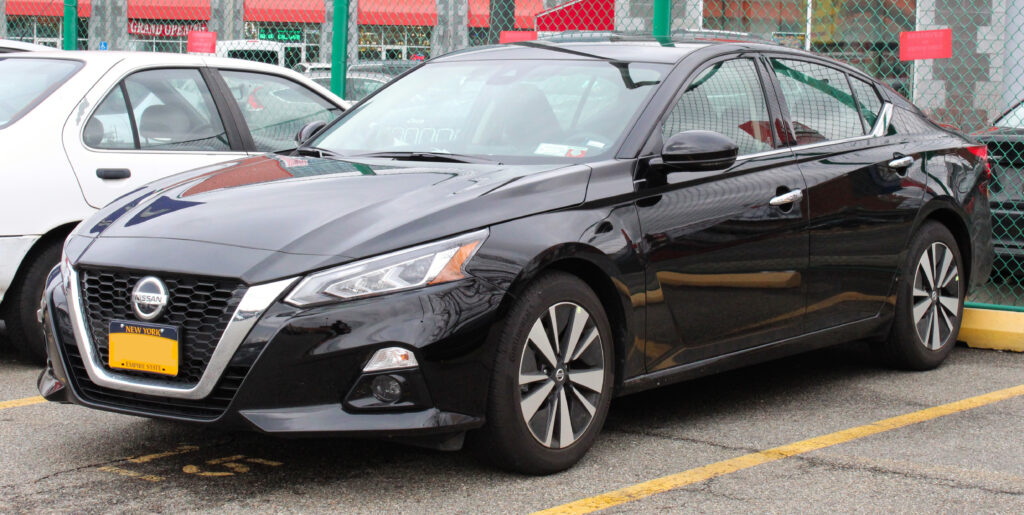
You’ll find the Altima popular for comfort and fuel economy, but some model years show recurring issues after heavy mileage.
Many owners report early CVT problems that can lead to costly repairs near or after 100,000 miles.
Certain 2013–2018 Altimas with the 2.5L engine have had timing chain tensioner failures and high oil consumption, which can risk engine damage if ignored.
Check service records, look for CVT rebuilds, and consider a pre-purchase inspection to protect your wallet.
Learn more about reported patterns in Altima reliability from this article on breakdown risks after 100K miles (https://autos.yahoo.com/ownership/articles/avoid-buying-10-cars-likely-150112812.html).
Ford Focus
You’ll often see transmission complaints on older Ford Focus models, especially those with the PowerShift dual-clutch unit.
Those problems can become more frequent after 100,000 miles, leading to costly repairs or replacements.
Electrical issues and occasional engine faults also show up in reports, so get a detailed pre-purchase inspection.
If you buy one, budget for potential transmission work and keep service records to protect resale value.
More details on common long-term failures appear in this report about cars that struggle past 100K miles (https://mycarmakesnoise.com/general/cars-that-start-falling-apart-after-100k-miles/).
Jeep Cherokee
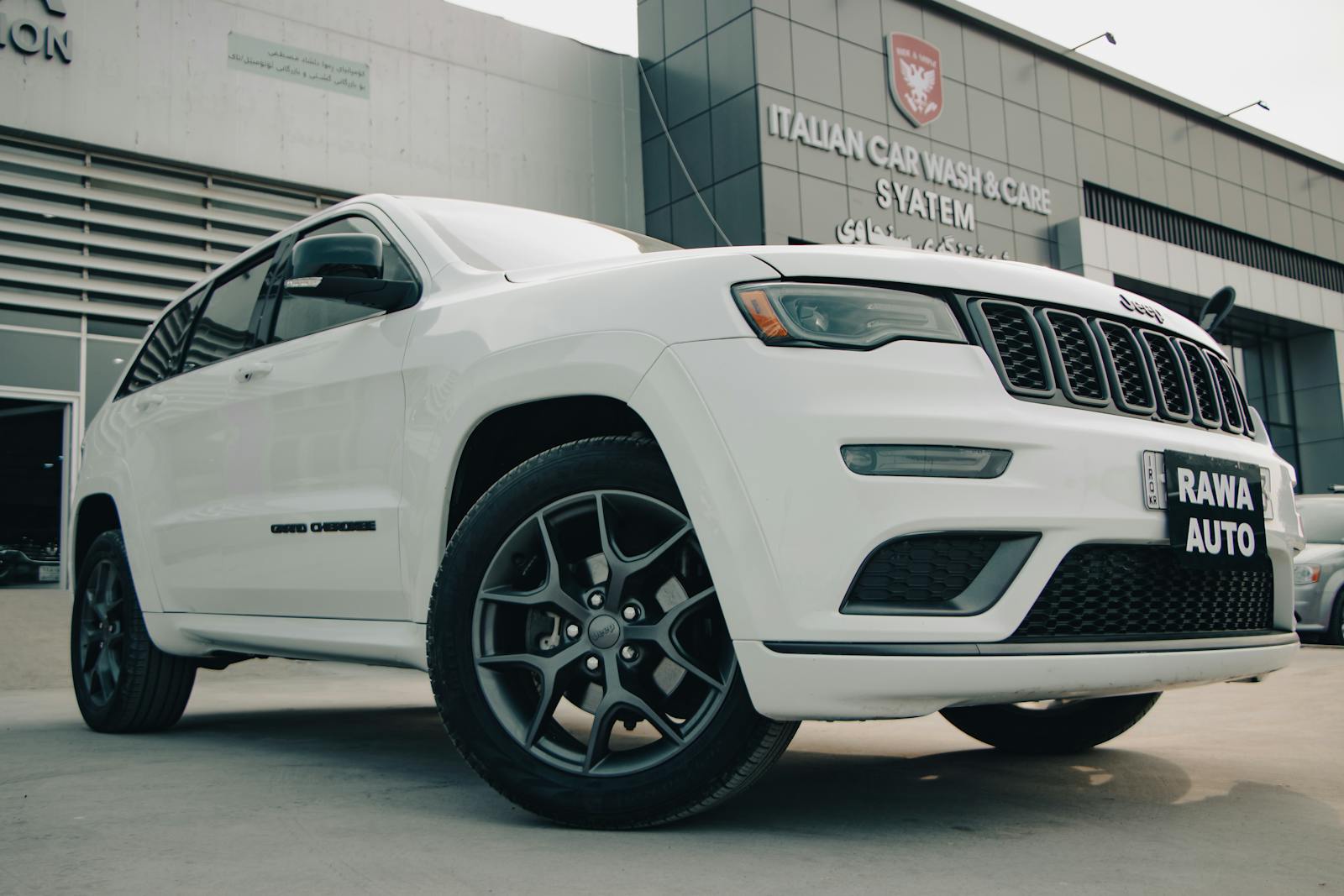
You may find the Jeep Cherokee appealing for its rugged look and off-road capability.
Many owners report transmission and electrical troubles that tend to show up after six-figure mileage, leading to costly repairs.
If you’re buying a high-mileage Cherokee, get a thorough pre-purchase inspection and budget for potential transmission work.
Check maintenance history closely; consistent service and timely repairs improve the odds it will last past 100,000 miles.
Consider models with documented updates or extended drivetrains for better long-term reliability.
Chevrolet Cruze
By the time your Cruze hits 100,000 miles you may start seeing issues with the turbocharged engines and transmissions that some owners report.
Cooling-system leaks and electrical quirks also appear more often on higher-mileage examples, increasing repair bills.
If you’re shopping used, have a trusted mechanic inspect the turbo, cooling components, and transmission.
Avoid models without a full maintenance history to reduce the chance of unexpected failures; detailed records matter.
Honda Civic (older models)
If you buy an older Civic, expect common wear like coolant leaks, failing thermostats, and tired catalytic converters as mileage climbs.
Some model years (especially mid-2000s to early 2010s) show more frequent issues, so check year-specific reliability notes before buying.
Have a mechanic inspect timing components, the cooling system, and the exhaust.
A clean service history and recent preventive work can keep an older Civic running well past 100K miles.
For year-by-year problem trends, see this roundup of Honda Civic trouble years to avoid.
Tesla Model S
You’ll enjoy sharp acceleration and advanced tech in the Model S, but long-term ownership can bring costly repairs. Battery degradation and pack replacement become a risk after 100,000 miles, especially if the car is out of warranty.
Tesla covers batteries for many years and miles, so check the specific warranty before you buy. If the pack needs replacement, expect a significant bill and factor that into your ownership decision — see more on battery warranty and costs at Tesla Model S details (https://motorbiscuit.com/10-cars-least-likely-to-make-it-to-100000-miles/).
Toyota Corolla (early 2000s)
You often find early-2000s Corollas with high mileage because they were popular and economical.
Expect common wear items like suspension bushings, drivetrain mounts, and aging wiring to need attention after 100,000 miles.
Some model years had known issues—check maintenance records and look for signs of transmission or head gasket trouble.
Have a mechanic inspect timing components and cooling system before you buy to avoid surprise repairs.
Consider the car’s service history; regular oil changes and timely repairs make a big difference in long-term reliability.
Hyundai Elantra
You may find Elantras that run well past 100,000 miles, but some model years develop transmission and electrical issues as mileage climbs.
Have a mechanic inspect a used Elantra for transmission slip, coolant leaks, and warning-light history before you buy.
Regular maintenance helps, yet repair costs can rise after 100K; plan for potential clutch, turbo (on ECO/Turbo trims), or wiring repairs.
Check owner forums and reliability write-ups like this roundup of cars prone to failures after 100K miles (https://autos.yahoo.com/ownership/articles/avoid-buying-10-cars-likely-150112812.html) for year-specific reports.
Volkswagen Jetta
You’ll find Jettas give a pleasant drive but often need more attention after 100,000 miles. Common long-term issues include turbocharger wear, oil leaks, and electrical gremlins that can raise repair bills.
Have a mechanic inspect turbos, seals, and wiring before you buy a high-mileage Jetta. Read owner reports and maintenance records, and consider models with documented service history for better reliability.
Mazda3
You’ll find many Mazda3s run well past 100,000 miles when cared for, but some model years show recurring issues that raise repair bills. Expect possible oil consumption, clogged intake systems on direct-injection engines, and expensive transmission work on older automatics.
Have a mechanic inspect the timing chain/tensioner and check service records for regular oil changes. Buying a well-documented, maintained example reduces your risk of surprise repairs.
For more details on long-term problems and buyer warnings, see this roundup of cars that often fail after 100K miles (https://autos.yahoo.com/ownership/articles/avoid-buying-10-cars-likely-150112812.html).
More from Steel Horse Rides: