
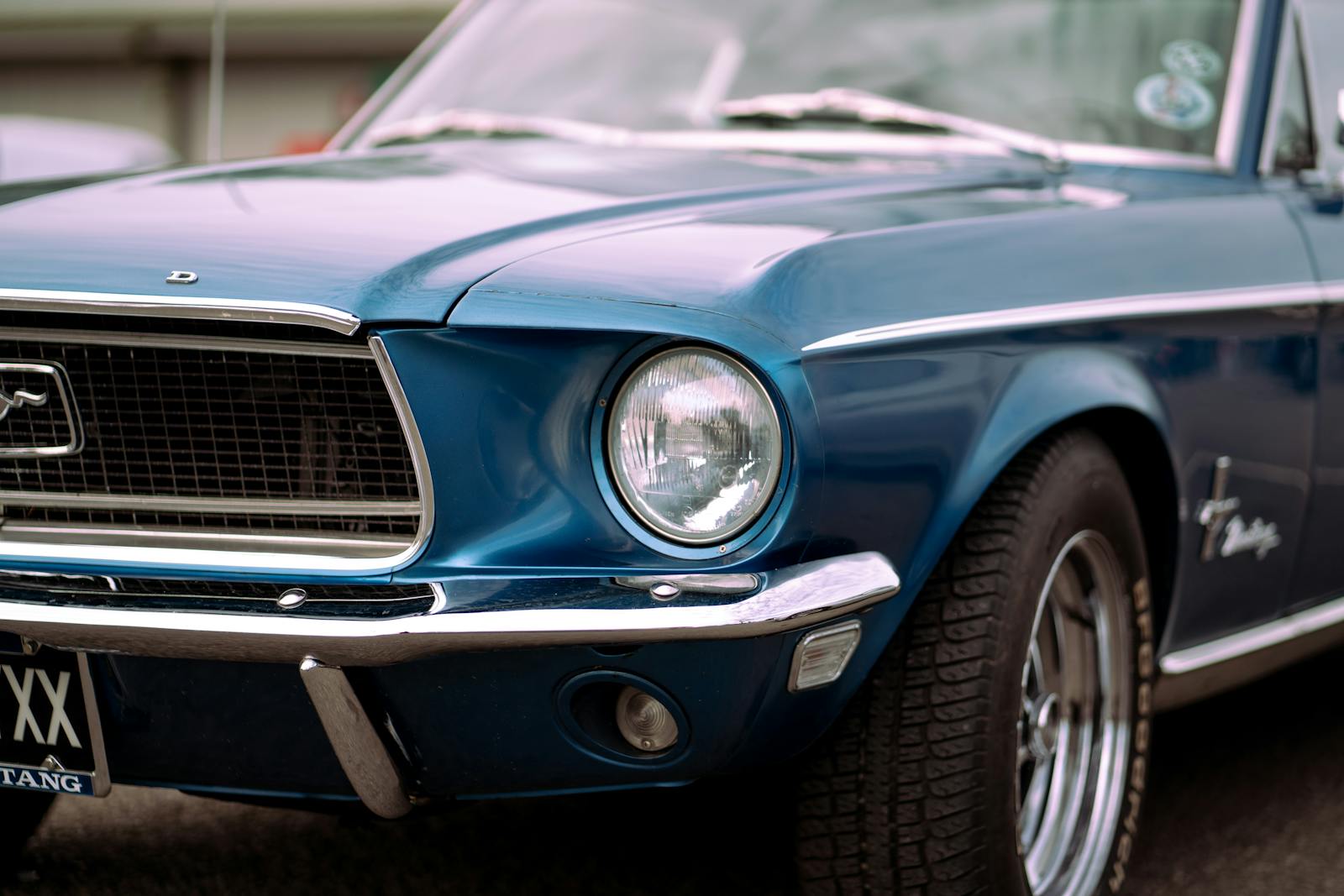

You’ll dive into a wild stretch of automotive history when Detroit stopped playing it safe and built cars that shocked, amused, and sometimes baffled the public. Expect bold styling, race‑ready tweaks, and engineering gambles that aimed for glory and often landed somewhere between genius and catastrophe.
You’ll see why some of the era’s most famous names produced machines so extreme they still spark arguments today. Follow the tour from grocery‑getter drag cars to oversized styling experiments to understand how ambition, competition, and changing tastes pushed Detroit past the usual limits.
Hurst SC Rambler – grocery getter turned drag racer
You’d barely expect a muscle car under a compact Rambler’s skin, but AMC and Hurst squeezed a 390 V8 into a humble grocery-getter.
The result sprayed patriotic paint and straight-line speed that embarrassed biggerDetroit coupes on the strip.
If you want specs and period tests, read the detailed coverage of the car’s creation and performance in this HowStuffWorks overview.
Ford Pinto – infamous for its design flaws
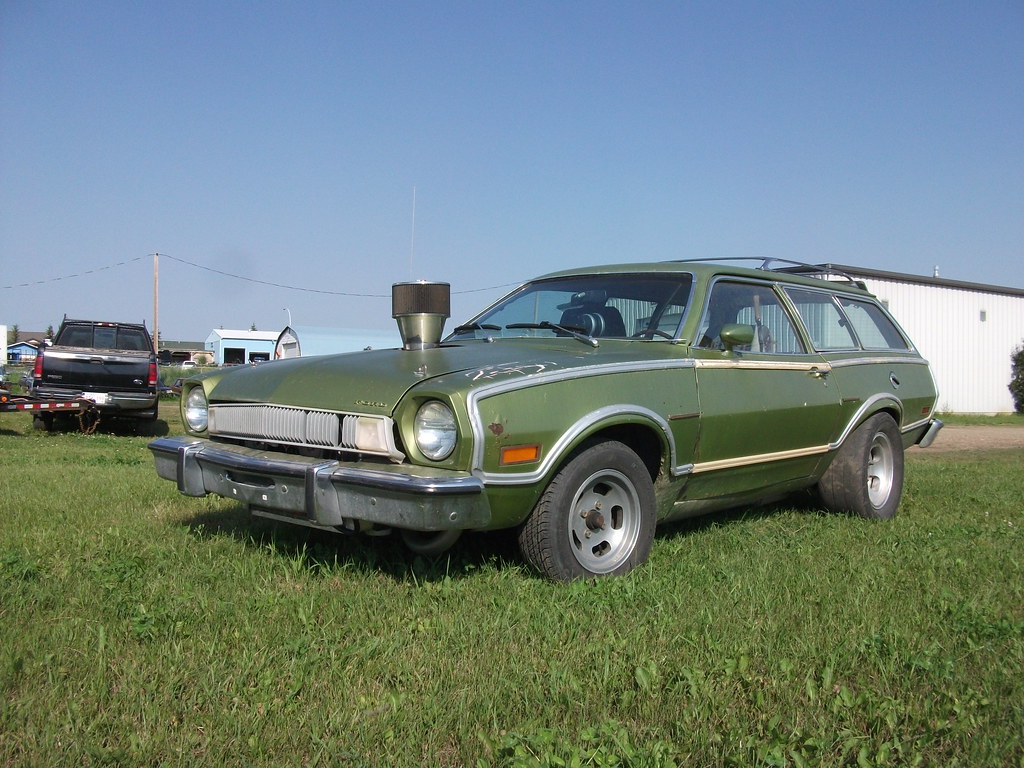
You remember the Pinto as a cheap, compact option that promised economy but delivered a big safety headache.
Its fuel tank sat behind the rear axle and could rupture in rear-end crashes, leading to fires and injuries.
Documents later showed Ford weighed recall costs against potential payouts, a decision that provoked public outrage.
The scandal reshaped how the industry and regulators approached vehicle safety and corporate responsibility.
Read more about the Pinto’s controversy and legacy on Wikipedia.
AMC Gremlin – awkward proportions and quirky looks
You’ll notice the Gremlin before you understand it: a chopped hatchback with a stubby rear that defied typical proportions.
AMC marketed it as a practical subcompact, yet the truncated tail and short wheelbase gave it an awkward, instantly recognizable silhouette.
You could get basic utility and low price, or opt for peppier engines and special trims that leaned into the oddball image.
The Gremlin stuck in pop culture and car shows, proving weird design can make a model unforgettable: look strange, sell lots.
Ford Mustang II – a disappointing spin on a classic
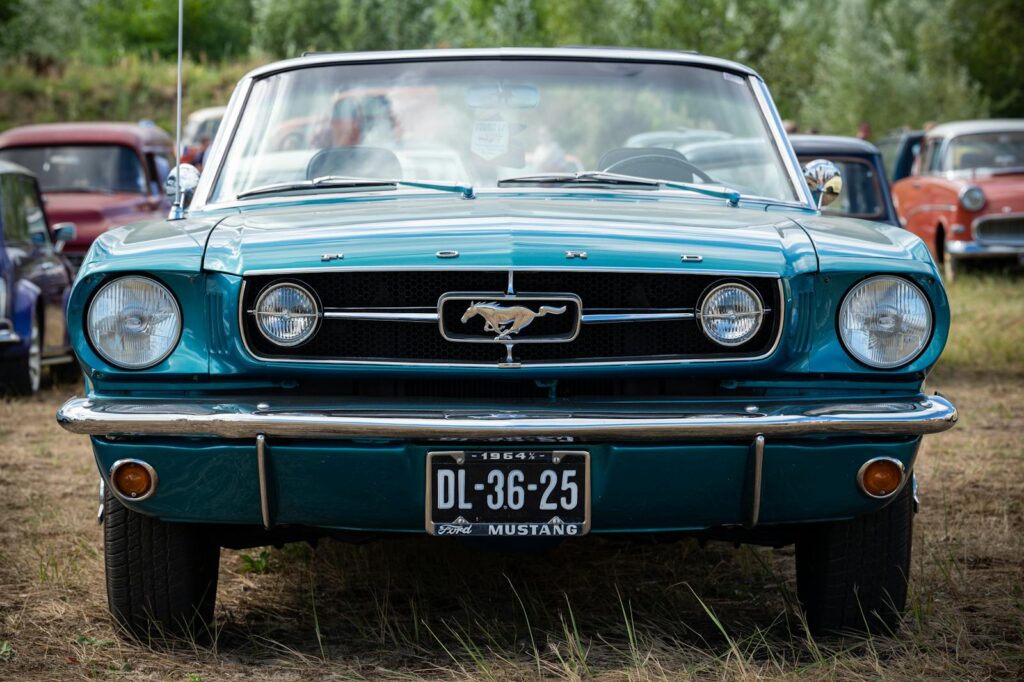
You remember the Mustang as a muscle icon, not this smaller, softer take that arrived in the mid‑70s.
Ford downsized to survive changing rules and fuel woes, and you got a car that prioritized economy over excitement.
It sold well and kept the name alive, but you’ll notice the performance and styling disappointed many fans.
Read more about its controversial place in Mustang history on Wikipedia.
Chevrolet Vega – known for reliability issues
You remember the Vega as a compact that promised a lot but often didn’t deliver.
Its aluminum engine and rushed production caused oil consumption, premature wear, and rust that ruined many cars early.
You’d see improvements later, yet public confidence had already fallen.
Read a concise history of the Vega’s failures and fixes at CarsCounsel for more detail.
Plymouth Superbird – wild aero design with a massive nose
You’ll spot the Superbird from a block away thanks to its mile‑long nose cone and towering rear wing.
It was built for NASCAR homologation, translating extreme track aerodynamics into a street‑legal muscle car.
The nose reduced lift and the wing added stability at speed, though the look bordered on cartoonish.
Read more about its race-focused design at the Plymouth Superbird – Wikipedia.
Oldsmobile Toronado – front-wheel drive giant that puzzled fans
You remember Detroit’s love for big V8s, but the Toronado shoved that power through the front wheels and made people stare. It felt like a luxury coupe but moved like an engineering experiment, a bold gamble from Oldsmobile that paid off in novelty if not total acceptance.
You could call it revolutionary: a full-size American FWD coupe years before others followed. Read more about its place in auto history on Wikipedia.
Mercury Cougar Eliminator – muscle car with mixed results
You might spot the Eliminator and expect Mustang-busting fury, but it was more of a clever remix than a wholesale revolution.
Mercury dressed Mustang performance in a sharper, slightly posher package and offered big-block engines that delivered real street power.
Not every Eliminator lived up to the hype; options, engines, and rarity create wide value swings today.
If you want one, focus on verified VIN and engine numbers and be ready for maintenance quirks.
Check a dedicated registry for detailed production and option guides like the Mercury Cougar Eliminator Registry (https://eliminator.cougarregistry.com/history/).
Pontiac Aztek – early SUV with a polarizing design
You remember the Aztek’s boxy, awkward look that split opinions as soon as it hit the market.
It tried to be practical with a roomy interior and flexible cargo options, but many people found the styling off-putting.
You’ve probably seen it tied to pop culture, which helped it become a cult favorite despite poor sales.
Read more about its history and reception at Wikipedia’s Pontiac Aztek entry (https://en.wikipedia.org/wiki/Pontiac_Aztek).
Buick Riviera – bold styling that missed the mark
You notice the Riviera’s daring looks before anything else; its 1960s lines felt almost European and totally confident.
That style grabbed attention, but sales didn’t always follow—buyers didn’t always warm to its theatrical moves.
You can appreciate its design risk even if you think it traded practicality for flair.
For a deeper look at its place in GM’s lineup, see the detailed history of the Buick Riviera.
More from Steel Horse Rides: