
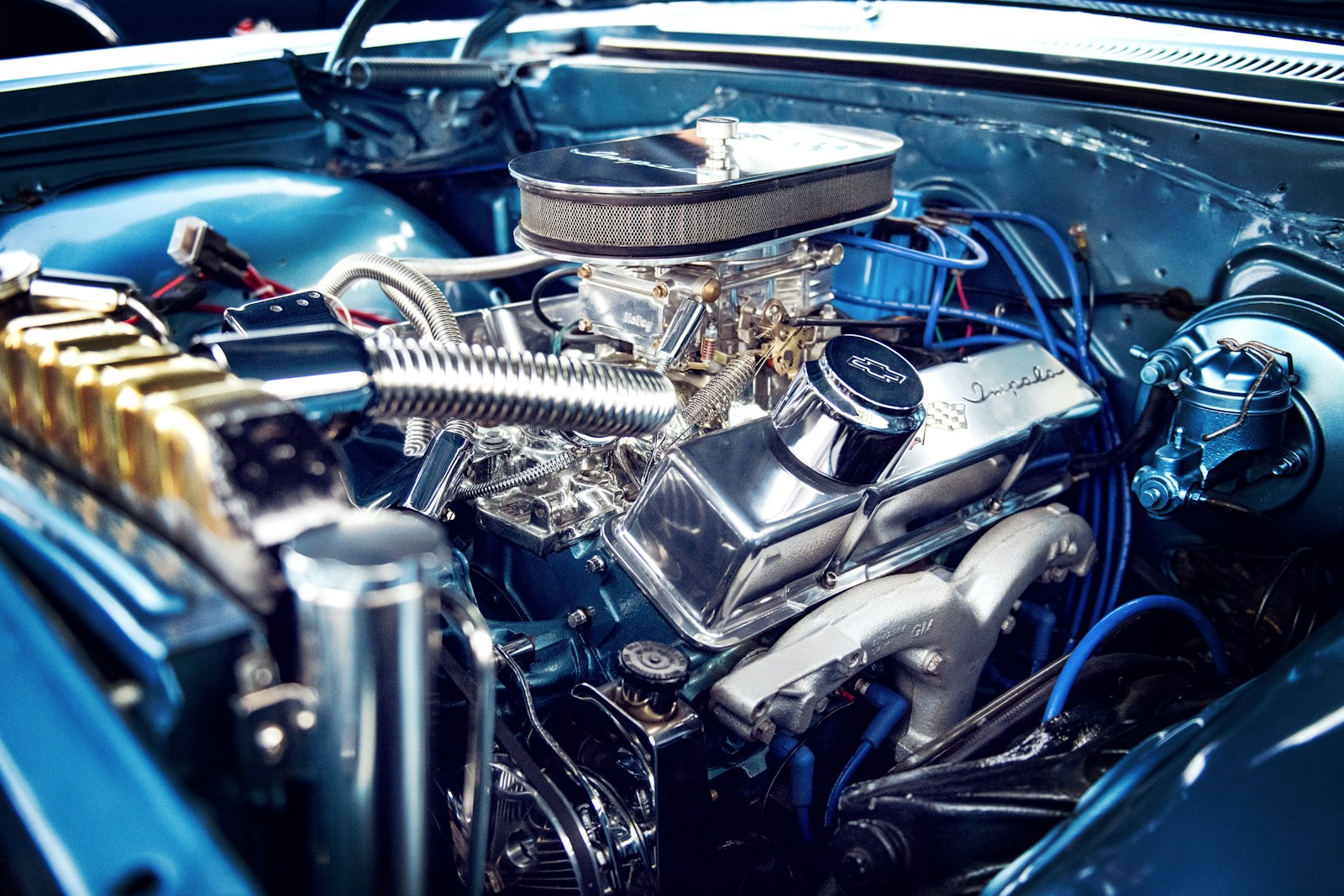

Every enthusiast circle has its own oral tradition of engine warnings, the kind of specific, hard-earned knowledge that gets passed along the moment someone mentions they’re shopping for a particular car. Buy the V6, not the V8, someone will say. Or, avoid that year entirely, they had a real problem with the timing chain. It’s folklore, but it’s folklore built on genuinely documented failures, not just internet paranoia.
The ten engines below have all earned a permanent spot in that oral tradition, for reasons ranging from full-blown recalls to well-established patterns of expensive failure that independent mechanics see often enough to mention unprompted. None of them make every example of the car they were bolted into a disaster, but all of them are worth knowing about before you buy.
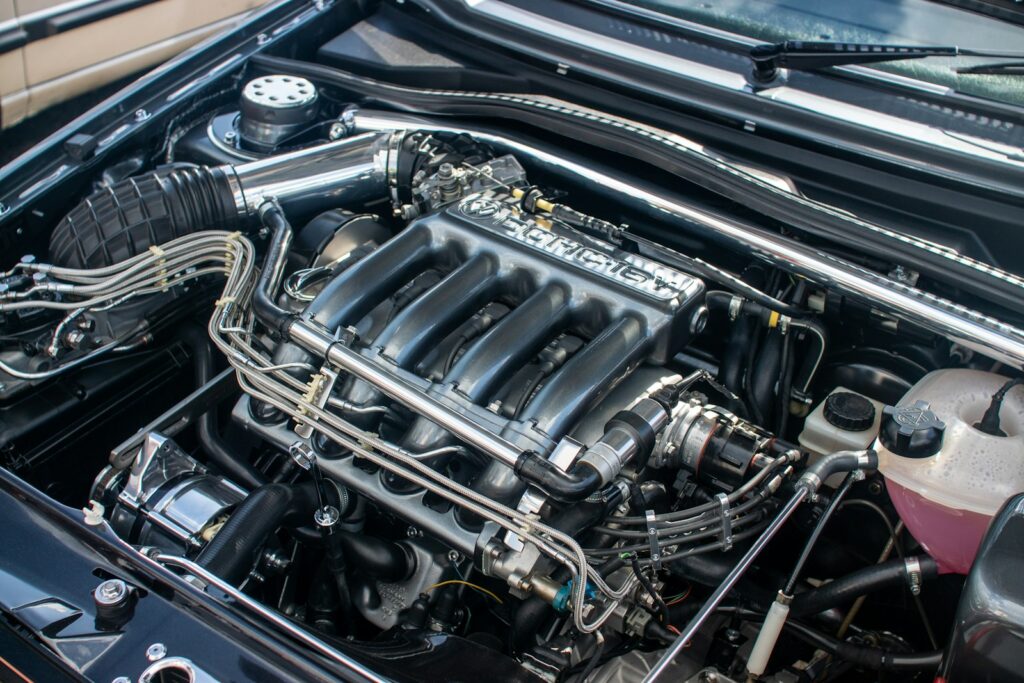
Ford 6.0L Power Stroke Diesel
Fitted to Super Duty trucks from roughly 2003 through 2007, the 6.0-liter Power Stroke became notorious for head gasket failures, EGR cooler cracking, and fuel injector problems significant enough that Ford issued recalls addressing specific defects tied to the engine. Shops specializing in diesel repair still see these trucks regularly, and the engine’s reputation is well-known enough among diesel owners that buying one without a plan for aftermarket reinforcement, stronger head studs and an upgraded oil cooler chief among them, is considered a rookie mistake in truck circles.
GM 5.3L Vortec With Active Fuel Management
The cylinder-deactivation system fitted to GM’s ubiquitous 5.3-liter V8, designed to save fuel during light cruising, has been linked to premature lifter failure serious enough that owners have pursued class-action litigation alleging GM knew about the defect. The resulting engine tick and eventual valvetrain damage is common enough knowledge that shopping forums for Silverados and Sierras routinely steer buyers toward checking specifically for this symptom during a pre-purchase inspection, regardless of how clean the rest of the truck looks.
Hyundai and Kia Theta II
This four-cylinder engine family, used across a wide range of Hyundai and Kia sedans and SUVs, was tied to connecting rod bearing failures that could lead to sudden engine seizure and, in some cases, fire, a problem serious enough that NHTSA reached consent orders with both automakers covering multiple related recalls. The scale of the recall and the length of time it took to fully address made the Theta II one of the most widely discussed cautionary tales in recent memory, and shoppers looking at affected models are routinely advised to verify the recall repair was actually completed before buying.
Volkswagen and Audi 2.0T (EA888, Early Generations)
Early versions of Volkswagen and Audi’s widely used turbocharged four-cylinder developed a reputation for timing chain tensioner failures that could allow the chain to skip, along with excessive oil consumption in certain model years significant enough to draw a class-action settlement. Independent European car specialists frequently mention checking timing chain noise as one of the first things to listen for on a used VW or Audi from this era, since a failed tensioner can lead to serious internal engine damage if it isn’t caught early.
Chrysler 2.7L V6
Used across a range of Chrysler, Dodge, and Jeep sedans in the 2000s, this V6 developed a reputation for a poorly designed cooling passage in the timing chain area that trapped sludge when oil changes were skipped or delayed, eventually starving the engine’s oil pump and causing catastrophic failure. Unlike many engine issues that only affect certain unlucky examples, the 2.7’s sludge problem became closely associated with the engine family as a whole, and shoppers looking at affected Chrysler, Dodge, and Jeep sedans from this era are still routinely warned to verify strict adherence to oil change intervals throughout the car’s life.
Nissan VQ35DE Paired With Early CVTs
While the VQ35 V6 itself has a reasonably solid reputation on its own, the continuously variable transmissions Nissan paired it with in several models developed serious reliability problems, including shuddering and premature failure significant enough to prompt extended warranty coverage and litigation. The warning that gets passed along isn’t really about the engine in isolation; it’s about the whole powertrain combination, and shoppers are routinely advised to budget for a transmission issue on affected models regardless of how strong the engine itself sounds on a test drive.
BMW N63 Twin-Turbo V8
Found in a range of BMW sedans and SUVs, the N63 developed a well-known reputation among independent BMW specialists for excessive oil consumption and related component wear, an issue significant enough that BMW offered a customer support program covering certain repairs outside normal warranty terms for affected owners. Shoppers considering an N63-equipped BMW are routinely advised to check oil level history carefully and budget for the kind of frequent oil top-offs that would be considered abnormal on almost any other modern engine.
Subaru EJ25 (Head Gasket Era)
Subaru’s 2.5-liter flat-four, used across the Legacy, Outback, and Forester lineups for years, developed a persistent reputation for head gasket failures on certain model years, an issue widely enough discussed that it became one of the defining maintenance topics in Subaru owner communities and factored into class-action litigation. The warning has become so standard in Subaru shopping circles that checking coolant level and condition, along with asking directly whether the head gaskets have ever been replaced, is treated as a mandatory step rather than an optional precaution.
Ford 3.5L EcoBoost (First Generation)
Introduced in the F-150 and several Ford and Lincoln SUVs, the first generation of Ford’s twin-turbo 3.5-liter V6 built a reputation among some owners for timing chain stretch and related rattle showing up earlier than expected on certain examples. Independent Ford specialists frequently mention listening for chain noise on cold start as one of the simplest and most useful checks on a used EcoBoost-equipped truck or SUV from this era, since the problem tends to announce itself audibly well before it becomes a major failure.
Jeep 3.6L Pentastar Paired With Early ZF 9-Speed
The 3.6-liter Pentastar V6 itself is generally well regarded, but its pairing with Jeep’s early ZF nine-speed automatic transmission in models like the Cherokee generated enough owner complaints about harsh, hesitant shifting that it led to a recall covering tens of thousands of vehicles for a related transmission issue. As with several entries on this list, the warning passed between shoppers is really about a specific powertrain pairing rather than the engine alone, and it’s common advice in Jeep circles to research the specific transmission calibration and software update history before buying an early example.