

Every car feature starts as a bullet point on a spec sheet, and on paper, almost all of them sound like unambiguous wins. Massaging seats! A frameless door design! A giant panoramic sunroof! It’s only after a few months of actual ownership — after the novelty wears off and the daily friction sets in — that some of these features reveal themselves as more trouble than they’re worth. The demo drive is never long enough to expose the downside, and the salesperson certainly isn’t going to bring it up.
What follows isn’t a list of features that are broken or badly engineered. Most of them work exactly as intended. The problem is that living with them day after day, year after year, surfaces a tradeoff nobody mentioned at the dealership: more noise, more maintenance, more things that can go wrong, or simply more annoyance than the convenience was worth. Here are eleven features that sound fantastic in the brochure and considerably less fantastic in year three of ownership.
Panoramic Sunroofs
A massive glass roof stretching from the windshield to the rear seats looks spectacular in showroom lighting and photographs beautifully for the dealership’s website. In daily use, that same glass roof turns the cabin into a greenhouse on hot days, forcing the air conditioning to work harder and often leaving the front seats noticeably warmer than the rest of the car. Owners in sunny climates frequently end up buying aftermarket sunshades or window tint just to make the car tolerable in summer. There’s also the added weight sitting high in the chassis, the extra wind noise at highway speed, and the not-insignificant risk that the mechanism or seals eventually develop a leak that shows up as a mysterious wet headliner years down the road.
Frameless Doors
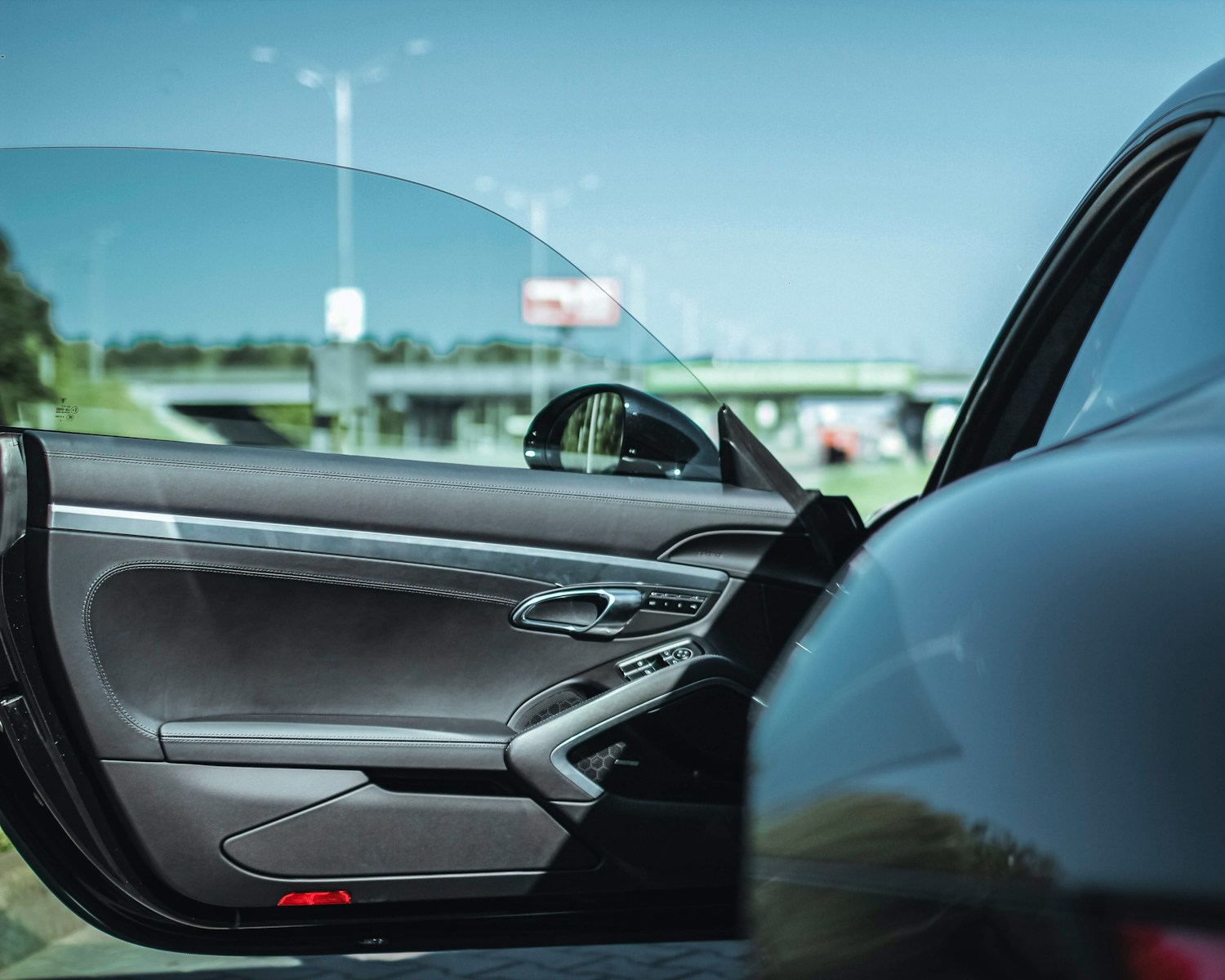
Frameless door glass gives coupes and some sedans a sleeker, more premium silhouette by eliminating the window frame entirely, and it looks genuinely elegant when the car is new. The tradeoff is that the window has to drop slightly every time the door opens and reseal itself when it closes, which means an extra motor cycle every single time you get in or out. Over years of use, that mechanism can develop wind noise, water intrusion, or a window that no longer seals as tightly as it once did. It’s a design flourish that photographs well and quietly adds a moving part to something as basic as opening a door — a part that eventually wears out.
Massaging Seats
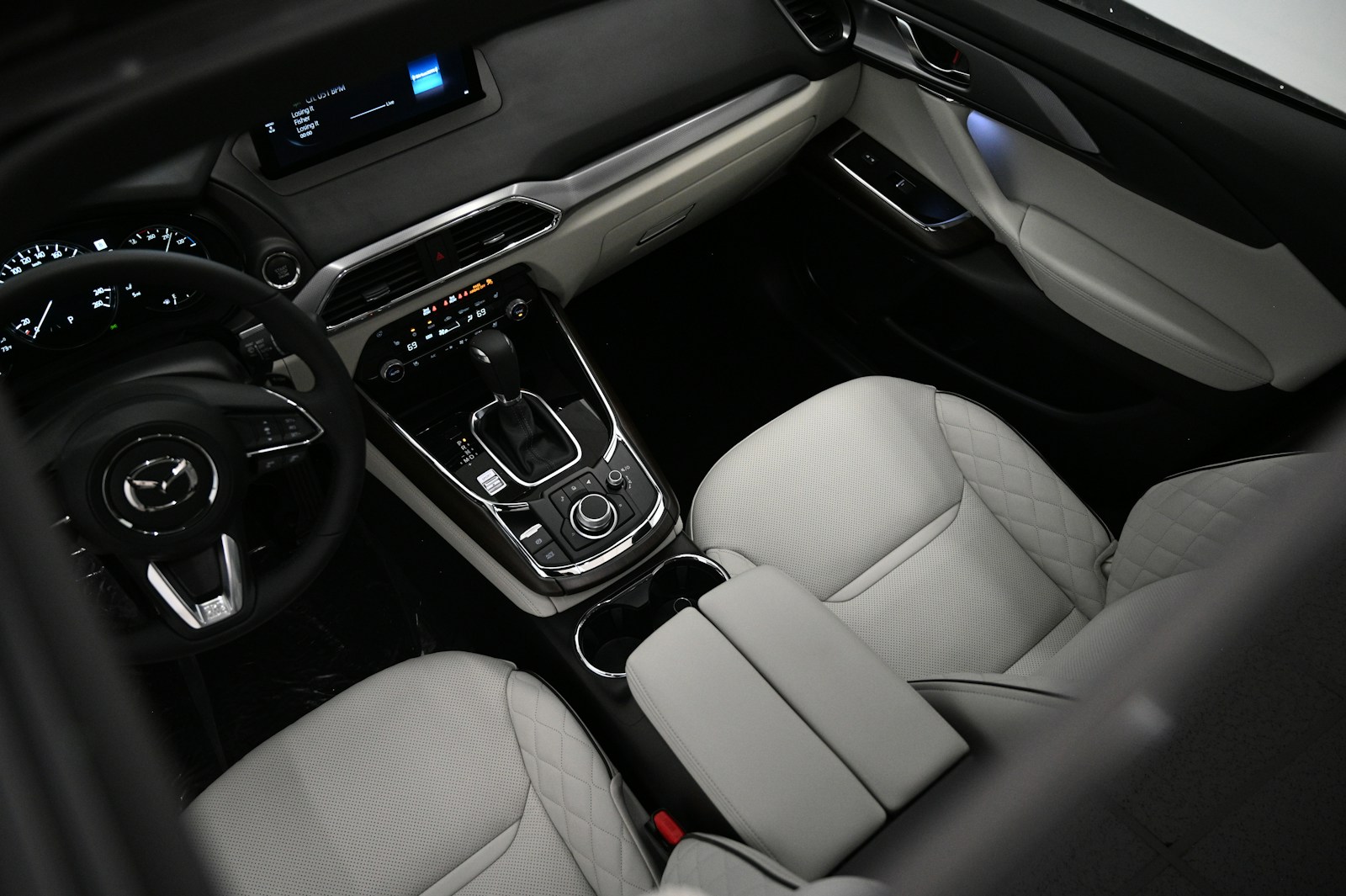
Massaging seats sound like a spa treatment built into your commute, and for the first few drives, they genuinely are a novelty worth showing off to passengers. The reality is that most owners use the feature a handful of times before forgetting it exists, partly because the massage patterns are often more gimmicky than relaxing and partly because the seat motors add noticeable weight and complexity to what used to be a simple bolt of foam and leather. When those motors eventually fail well down the road, replacing a massaging seat module is a far pricier repair than fixing a standard power seat, for a feature that stopped getting used long before it broke.
Capacitive Touch Controls
Replacing physical buttons and knobs with sleek capacitive touch panels makes a dashboard look futuristic in press photos, and automakers have leaned into it hard over the last decade. Living with it is another matter entirely: touch controls require you to look at the panel to confirm you’ve hit the right spot, since there’s no tactile feedback telling your finger it found the volume control instead of the defroster. In cold weather with gloves on, or in bright sunlight washing out the display, these controls can become genuinely difficult to operate reliably while driving. Plenty of automakers have quietly started bringing physical knobs back for exactly this reason, which tells you how the experiment has gone.
Automatic Start-Stop Systems
Shutting the engine off at every red light to save fuel and reduce emissions is a genuinely sound idea in theory, and it does measurably help fuel economy in stop-and-go city driving. In practice, many owners find the constant shutting off and restarting of the engine to be a jarring, occasionally shuddering experience that makes idling at a light feel less smooth than it used to. It also puts additional wear on the starter motor and battery, which on some vehicles are upgraded to handle the extra cycles and on others are not, leading to premature failures. Enough drivers dislike the sensation that manually disabling the system has become a small ritual for many owners every time they start the car.
Digital Rearview Mirrors
A rearview mirror that’s actually a small screen fed by a rear-facing camera promises a wider, unobstructed view free of headrests, cargo, and roof pillars blocking your sightline. The reality for a lot of drivers is a disorienting adjustment period, since the image doesn’t perfectly match the depth perception your brain expects from a reflection, and there’s a slight but perceptible lag in some systems. Rain, glare, or a dirty camera lens can degrade the image at exactly the moment you need it most, and unlike a scratched physical mirror, a malfunctioning camera or screen isn’t something you can fix yourself in a parking lot. Many owners simply flip the switch back to a standard reflective mirror and never revisit the digital mode.
Air Suspension on Everyday SUVs
Air suspension used to be reserved for ultra-luxury flagships, but it’s trickled down into mainstream three-row SUVs and crossovers promising a smoother ride and adjustable ride height for towing or ground clearance. It does deliver a genuinely plush ride when everything is working correctly, which is the operative phrase. Air springs and compressors are failure points that traditional steel coil springs simply don’t have, and when they go, the repair costs and the inconvenience of a car that sags on one corner overnight are far more painful than most buyers expect from what’s supposed to be a practical family vehicle. It’s a feature that makes far more sense on a car costing six figures than on one costing forty thousand dollars.
Auto-Dimming Digital Gauge Clusters
Fully digital instrument clusters let automakers offer multiple display themes and reconfigurable layouts, which sounds like pure upside compared to fixed analog gauges. Owners frequently find the reality less charming: some configurations bury basic information like the tachometer or fuel gauge behind menus, glare and reflections on the glossy screen can be worse than on a traditional gauge face, and the constant animations during startup and shutdown get old fast. There’s also the long-term question of what happens when the display itself ages, dims, or develops a hardware fault — a failure that used to mean replacing a simple gauge now means replacing an entire electronic module.
Foot-Activated Power Liftgates
Waving a foot under the rear bumper to open the trunk when your hands are full of groceries is a genuinely clever idea, and it works well in the parking lot demo every single time. In real winter weather, road grime, ice, and snow buildup around the sensor area regularly cause it to either not trigger at all or trigger unexpectedly while you’re simply walking past the back of the car. Enough owners have been startled by a liftgate popping open on its own, or frustrated by one that refuses to respond during exactly the moment they need it, that the feature has developed a mixed reputation despite the clever premise behind it.
Ambient Interior Lighting
Dozens of customizable LED lighting zones that shift through a rainbow of colors make a car’s interior look genuinely upscale on a test drive at dusk, and automakers now offer this as a headline feature on trims that didn’t used to have it. Daily reality is that most owners settle on one or two colors within the first week and rarely touch the settings menu again, meaning the feature’s ongoing value is mostly decorative rather than functional. It also adds another set of components — wiring, control modules, light strips embedded in trim panels — that eventually need replacing if one section fails or starts flickering, for a feature that stopped being novel almost immediately.
Heads-Up Displays with Augmented Reality Graphics
Projecting navigation arrows, speed, and safety alerts directly onto the windshield in your line of sight sounds like something out of a fighter jet, and the more advanced augmented-reality versions overlay graphics that appear to sit directly on the road ahead. Some drivers love it, but plenty find the floating graphics distracting rather than helpful, particularly at night or when wearing polarized sunglasses that can interact strangely with the projection. Getting the display calibrated to each driver’s seating position and height also takes longer than automakers’ marketing videos suggest, and a display that isn’t dialed in correctly ends up being more of a visual nuisance than the safety aid it was designed to be.