
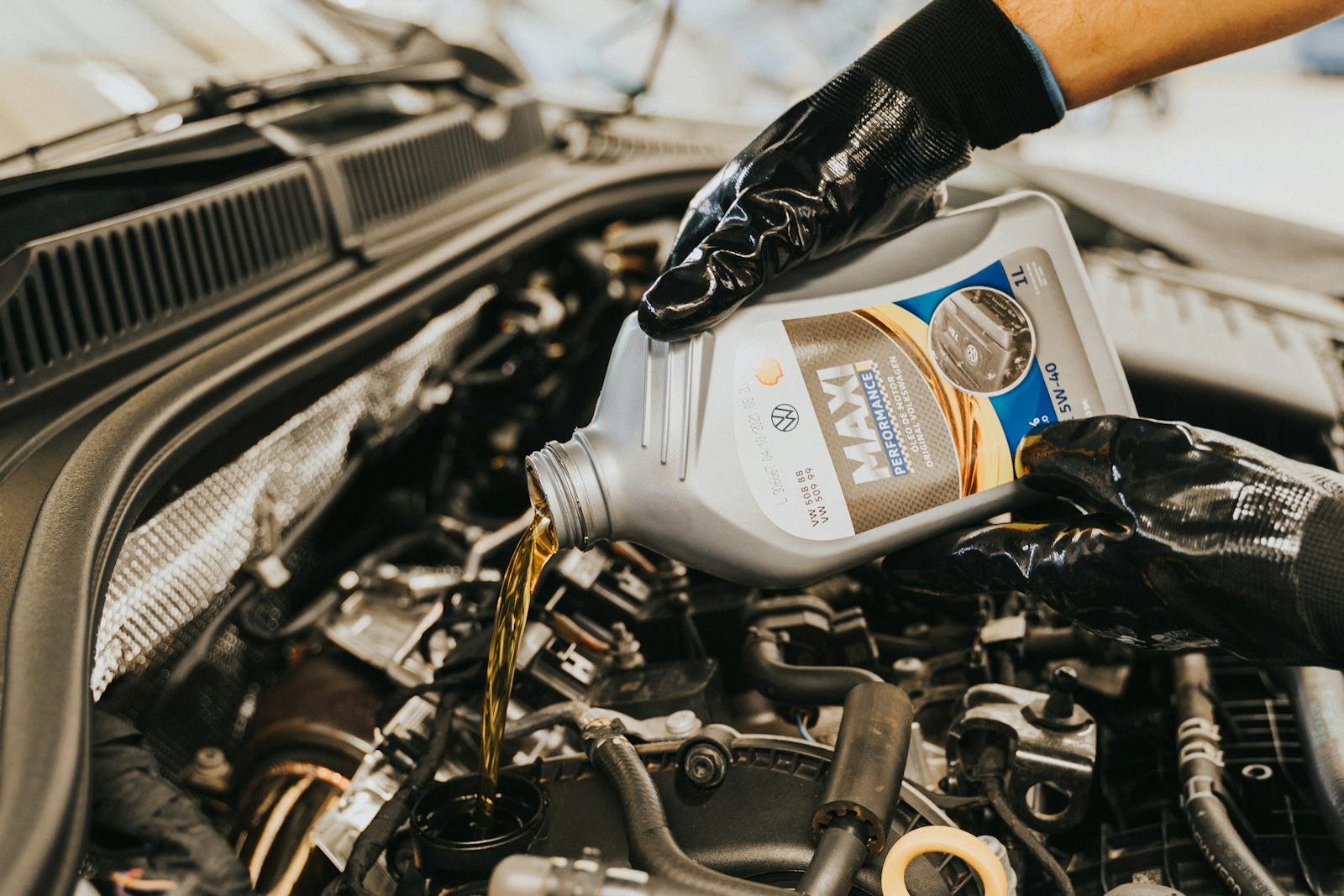

You rely on your car every day, and a small, focused investment can keep it reliable without wrecking your budget. You’ll learn practical, affordable ways to spend $100 that prevent bigger repairs and keep your vehicle running smoothly.
This article guides you through simple maintenance moves—from oil and filter care to tire and fluid checks—that stretch every dollar and reduce surprises. Expect clear, actionable ideas you can use at home or with a shop to protect your car and your wallet.
Change engine oil and oil filter
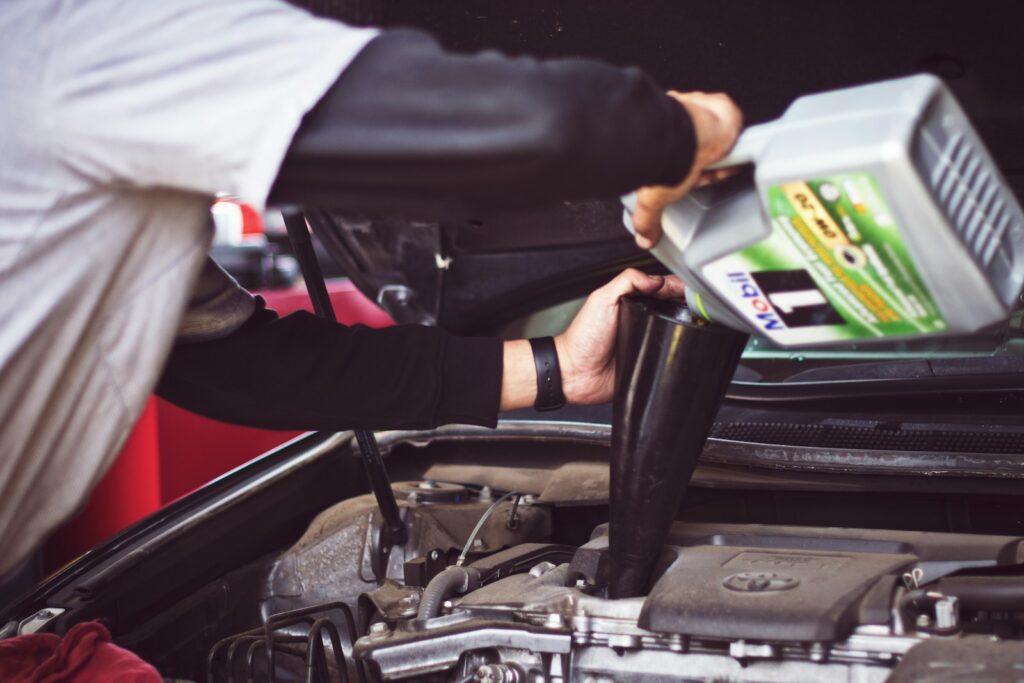
You can do an oil change yourself and often save big compared with shop prices. Learn the steps, use the right oil and a quality filter, and dispose of used oil responsibly.
A typical shop charge runs much higher than DIY parts, so $100 can cover oil and a good filter for many cars. If you prefer a how-to guide, follow step-by-step instructions like those at AutoZone for a safe, thorough job (https://www.autozone.com/diy/motor-oil/easy-steps-to-change-your-oil).
Replace air filter
A clean engine air filter helps your car breathe better and can slightly improve fuel economy. Replace a typical paper filter for about $15–$20 from most parts stores and save on shop labor by doing it yourself.
Most vehicles need a new filter every 12,000–15,000 miles, but check your owner’s manual and inspect the filter visually. Watch a model-specific video if you’re unsure; many jobs take only a few minutes and no tools.
Check and top off all fluids
You should check engine oil, coolant, brake, transmission, power steering, and washer fluid regularly. Low or dirty fluids cause wear and poor performance.
Use the dipstick and reservoir markings; wipe before measuring and top to the correct level. Buy quality fluids with any remaining budget to protect seals and components.
If a fluid looks dark, cloudy, or smells burnt, schedule a professional check. For basic how-to steps, see this guide on checking and topping off fluids.
Inspect and replace windshield wipers
Check your wipers monthly and after harsh weather. Lift the blade and look for splits, stiffness, or missing rubber; replace if you see any damage.
Replace blades at least once a year or sooner if streaking reduces visibility. Good wipers improve safety and are an inexpensive use of a $100 budget.
Buy quality blades that fit your car; many auto parts stores will install them for free. You can also swap them yourself in a few minutes with basic instructions.
Rotate tires
Rotate your tires every 3,000–5,000 miles to promote even wear and extend tire life. A regular rotation helps maintain handling and can save you money by delaying replacements.
You can do this yourself with basic tools, or pay a shop for a quick service. Learn why and how to rotate tires from the AAA guide on tire rotation importance and how-to.
Check tire pressure and inflate
Check your tire pressure at least once a month and before long trips. Use the PSI in your owner’s manual or on the driver’s door jamb, not the number stamped on the tire.
Keep a reliable gauge and a portable inflator or use a station air pump to top up tires. Proper inflation improves fuel economy and reduces uneven wear; it’s a cheap, easy way to protect your car.
Clean battery terminals
Corrosion on battery terminals can stop your car from starting. You can clean them with a baking soda paste and a wire brush to restore good contact.
Disconnect the negative cable first, then the positive. Wear gloves and eye protection and rinse the area with water after scrubbing.
A quick terminal clean and a small tube of dielectric grease can keep connections tight for months. For step-by-step cleaning tips, see this guide on cleaning battery terminals.
Replace cabin air filter
A cabin air filter is cheap and easy to swap; you can often do it yourself in 10–20 minutes.
Replacing it keeps the A/C smelling fresher and improves airflow, which helps defogging and cabin comfort.
Most filters cost under $30, and many guides show step-by-step instructions for specific models. See a practical DIY walkthrough for changing your cabin air filter to save labor costs and breathe cleaner air: How to Change a Cabin Air Filter.
Lubricate door hinges
You can stop annoying squeaks and prevent rust with a quick spray of lubricant on door hinges. Use a silicone or white‑lithium spray and wipe away excess to avoid drips.
Work the door open and closed a few times so the lube spreads into the pin and knuckle. Do this annually or after winter to keep hinges moving smoothly.
Check trunk and hood hinges too; a little $5 can extend parts’ life and save you from future creaks.
Inspect brake pads for wear
Check your brake pads every 10–12k miles or whenever you hear squealing. Thin pads (about 3mm) need replacement to avoid rotor damage.
Look through the wheel spokes or remove the wheel for a clear view. If you spot deep grooves or uneven wear, get a mechanic to inspect rotors and calipers.
A quick check saves money and keeps you safe. For a simple visual guide and when to act, see this brake maintenance overview.
Top up coolant levels
Check your coolant level when the engine is cold and the car is on level ground. Low coolant can cause overheating and costly repairs, so topping it up is a simple preventive step.
Use the coolant type your owner’s manual specifies, and mix with water if required. If you spot frequent drops or a strong sweet smell, get a mechanic to inspect for leaks.
For a quick how-to, read this practical guide on how to refill coolant in a car (https://thedailyautomotive.com/how-to-refill-coolant-in-car/).
More from Steel Horse Rides: