

Practicality is supposed to be the safe choice. You skip the flashy trim, pick the sensible engine, and buy the vehicle that promises to just work, day after day, without asking much of you emotionally or financially in return. It’s the automotive equivalent of choosing the reliable friend over the exciting one, and most of the time that bet pays off exactly as boring and pleasant as intended.
Except when it doesn’t. The eleven vehicles below were all bought, overwhelmingly, by people chasing cargo space, fuel economy, or a reputation for dependability rather than excitement, and each one built up a real track record of owners who felt genuinely let down by a vehicle that was supposed to be the easy, sensible choice.
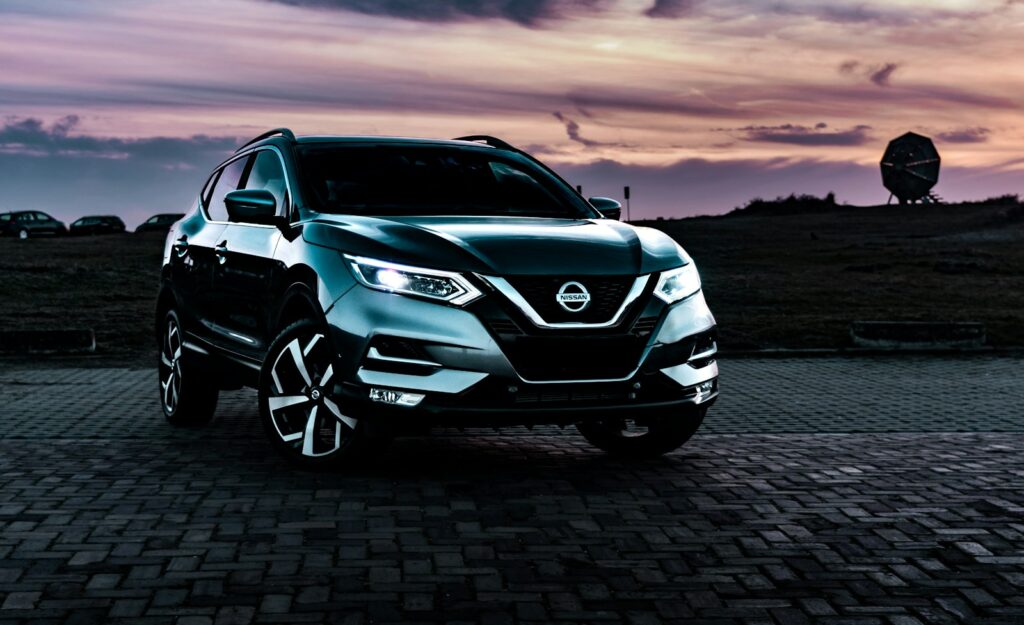
Nissan Rogue
The Rogue’s efficient CVT and generous cargo space for its footprint made it a go-to pick for buyers who wanted an affordable, practical crossover without much drama. Several model years developed a reputation for CVT shuddering and premature transmission wear serious enough that owner complaints led to extended warranty coverage from Nissan on affected vehicles. Buyers who chose the Rogue specifically to avoid drama instead found themselves navigating exactly the kind of major, expensive repair they thought a mainstream, practical crossover was supposed to spare them from.
Jeep Cherokee (KL Generation)
The redesigned Cherokee’s optional nine-speed automatic transmission, paired with a four-cylinder engine, was meant to deliver both efficiency and smooth performance for buyers who wanted practical daily usability with genuine off-road credentials in reserve. Instead, the transmission developed a reputation for harsh, hesitant shifts and reliability concerns serious enough that it prompted a recall covering tens of thousands of Cherokees for a related transmission issue. Owners who picked the Cherokee for its practical, everyday usability often ended up dealing with exactly the kind of unpredictable driveline behavior a sensible family crossover isn’t supposed to have.
Ford Escape (1.6L EcoBoost)
The Escape’s turbocharged 1.6-liter EcoBoost engine promised strong efficiency and adequate power in a compact, practical crossover body, an appealing combination for budget-conscious families. Instead, Ford recalled Escapes equipped with this engine over a fire risk tied to coolant leaking onto the exhaust manifold, an issue serious enough to warrant multiple related recall actions. Buyers who chose the Escape for its practical footprint and promised fuel savings instead found themselves dealing with a genuine safety recall on a vehicle they’d picked specifically to avoid excitement of any kind.
Chevrolet Cruze
The Cruze offered genuinely competitive fuel economy and a roomy-for-its-class interior, making it a popular pick for buyers who wanted an affordable, practical compact sedan. Owners have reported turbocharger issues, coolant system problems, and transmission complaints across various model years, along with several recalls covering issues from potential engine fires to Takata airbag inflators shared across the GM lineup. Buyers who picked the Cruze specifically for its affordability and efficiency sometimes found themselves facing repair bills that ate into the very savings that made the car attractive in the first place.
Volkswagen Jetta TDI
The diesel Jetta built a loyal following among buyers chasing genuinely excellent real-world fuel economy in a practical, well-built compact sedan. That reputation collapsed when it emerged the TDI engines had been engineered to cheat emissions testing, a scandal that triggered a massive buyback and settlement program and permanently altered how buyers viewed VW’s diesel lineup. Owners who chose the Jetta TDI specifically for its practical efficiency found themselves owning a car at the center of a major regulatory scandal rather than the quietly sensible commuter they thought they’d bought.
Dodge Journey
The Journey’s low starting price and three-row seating option made it an attractive practical choice for larger families working with a tight budget. Reliability rankings and owner complaints consistently placed the Journey near the bottom of its segment throughout its unusually long production run, with reports covering transmission issues, electrical problems, and interior materials that aged poorly compared to competitors. Buyers who chose the Journey purely on practical, budget-driven grounds frequently found the low purchase price offset by a higher-than-expected rate of trips to the shop.
Honda CR-V (1.5L Turbo, Early Years)
Honda’s move to a turbocharged 1.5-liter engine in the CR-V promised improved efficiency without sacrificing the practicality the CR-V had built its reputation on for decades. Early production years, however, developed a well-documented oil dilution problem, particularly in colder climates and on shorter trips, where gasoline would mix into the engine oil and raise the level on the dipstick, a concern serious enough that Honda issued a software update and extended relevant warranty coverage. Longtime CR-V loyalists who bought expecting Honda’s usual unshakeable dependability were genuinely surprised to find themselves at the center of an active service bulletin instead.
Toyota Sienna (Automatic Sliding Door Era)
The Sienna’s reputation for practicality and Toyota reliability made it a default choice for families needing a minivan without much second-guessing. Owners of certain model years have reported power sliding door malfunctions, transmission concerns, and electrical issues that ran counter to the brand’s usual dependability halo, frustrating buyers who specifically chose Toyota to avoid exactly this kind of unpredictability. For a vehicle bought almost entirely on the strength of a reputation for just working, a finicky sliding door or an unexpected transmission complaint lands as a particularly sharp disappointment.
Hyundai Santa Fe (Theta II Engine Era)
The Santa Fe’s roomy interior and value-oriented pricing made it a popular practical choice among family SUV shoppers. Certain model years equipped with the Theta II engine were caught up in one of the auto industry’s larger recent recalls, after NHTSA reached consent orders with Hyundai and Kia over engine failures and fire risks tied to the Theta II engine family, resulting in a large-scale recall and extended warranty program. Buyers who picked the Santa Fe for straightforward, no-drama practicality instead found themselves owning a vehicle at the center of a major, multi-year safety recall.
Mitsubishi Outlander
The Outlander’s competitive pricing and standard three-row seating in some trims made it an appealing practical option for budget-minded families needing extra seats. Reliability surveys and owner complaints have consistently placed the Outlander behind most of its mainstream competitors, with reports of transmission hesitation from its CVT and infotainment glitches showing up regularly. Buyers who chose the Outlander mainly for its value-oriented practicality frequently discovered that the lower price came attached to a noticeably rockier ownership experience than similarly priced competitors from more established brands.
Chrysler Pacifica (Hybrid, Early Years)
The Pacifica Hybrid promised the practicality of a full-size minivan combined with genuine electric-assisted fuel savings, an appealing pitch for families wanting both cargo space and lower running costs. Early production years were affected by multiple recalls related to battery fire risk, serious enough that owners were in some cases told to park the vehicle outdoors and away from structures until repairs were completed. Buyers who chose the Pacifica Hybrid specifically for its practical, efficiency-minded pitch found themselves instead managing an active fire-risk recall on the exact vehicle they’d picked to avoid unnecessary complications.