

“Never been in an accident.” It is the sentence every used-car seller wants to say, and the one every buyer should check with their own eyes.
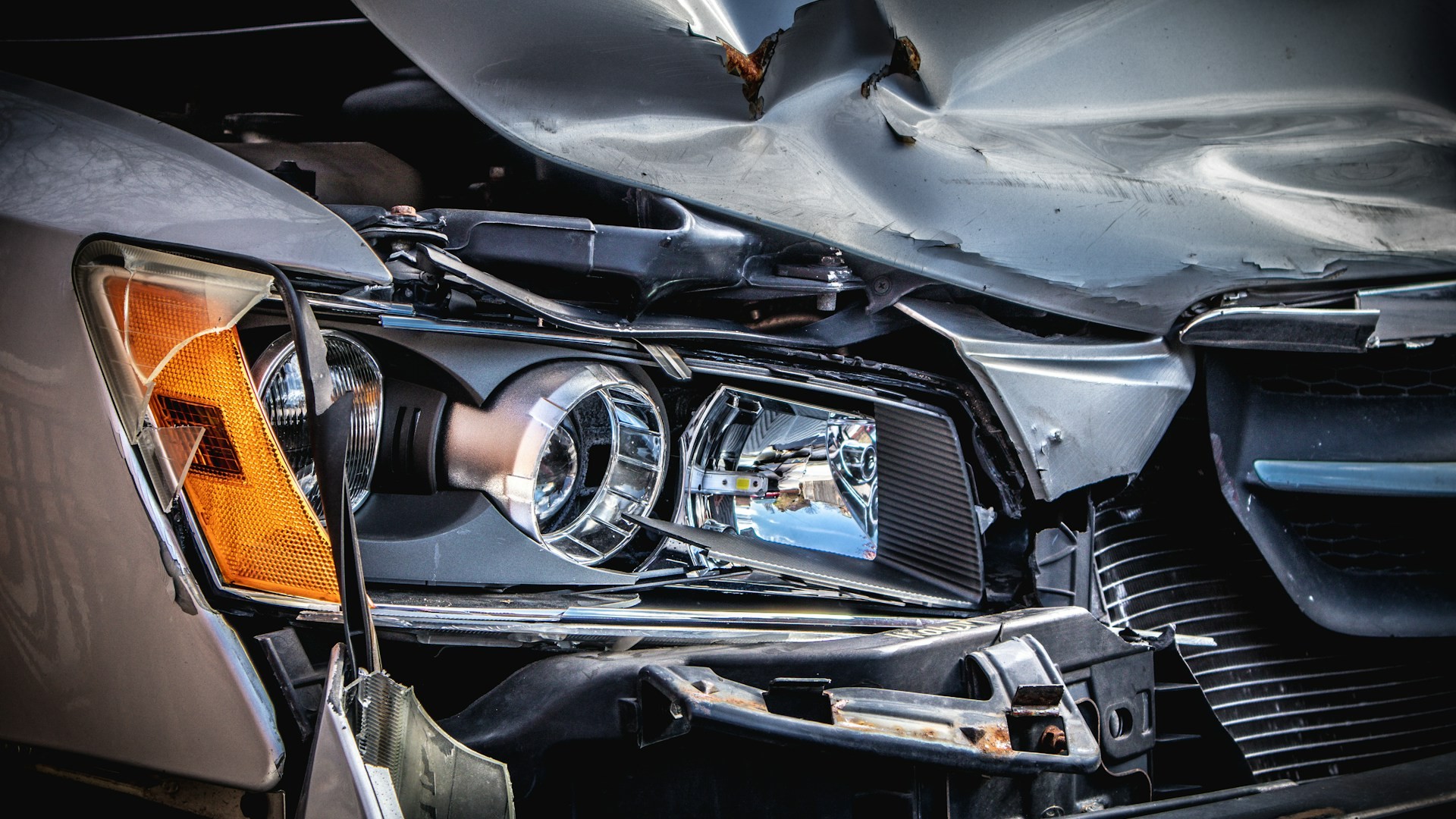
A clean-looking report is a good start, but it is not the whole story. The Federal Trade Commission notes that the National Insurance Crime Bureau’s flood database only shows damage if the car was insured when it happened, so some history never makes it onto paper.
Here are 12 warning signs, drawn from a Consumer Reports list and an iSeeCars guide, that a used car may have been through something serious.
Chipping Or Mismatched Paint Suggests Bodywork With Poor Color Blending
A 2012 list from Consumer Reports, shared by Consumerist, says flaking or off-color paint suggests earlier bodywork.
iSeeCars adds that a panel that looks slightly different from its neighbor may have been repainted. Look at the car in daylight, from a few angles.
Paint On The Rubber Seals Is Called Overspray For A Reason
Consumer Reports says paint on chrome, trim or seals means the nearby panel was likely repaired.
The iSeeCars guide, How to Check if a Car Has Been in an Accident, names rubber seals, door jambs and wheel wells as places to check for stray paint.
Uneven Gaps Between Panels Can Mean A Sloppy Repair
Consumer Reports lists misaligned fenders, with uneven gaps, as a sign of a sloppy repair or non-original replacement parts.
iSeeCars agrees, saying gaps that differ from side to side may mean a panel was removed and not realigned, and that adjoining panels sitting at different heights may have been repaired.
A CAPA Sticker Hints That A Replacement Part Was Installed
According to the Consumer Reports list, a CAPA sticker, a certification label on a replacement part, may indicate collision repair.
It is easy to miss, so look at fenders, bumpers and hoods with a flashlight.
Uneven Tire Wear Can Point To Frame Damage
Consumer Reports says uneven tread wear can show wheels out of alignment, which can point to frame damage.
iSeeCars adds related signs: wear on one edge or side, mismatched or recently replaced tires, and a car that pulls to one side on the road.
A Mold Or Air Freshener Smell May Be Hiding Water Damage
The Consumer Reports list says a mold or air freshener smell can mask water damage from a leak or flood.
The FTC’s November 2022 consumer alert makes the same point, listing a moldy or decaying smell, or a strong cleaning-product odor, in the car or trunk.
Silt In The Trunk Is A Flood Calling Card
Consumer Reports says sediment in the trunk may indicate flood damage. The FTC lists mud or sand under the seats or dashboard, rust around the doors, and carpeting that is loose, stained or mismatched.
Pull up the trunk mat and the spare tire cover. It takes one minute.
Fresh Undercoating May Be Covering Recent Repairs
Consumer Reports warns that new coating on wheel wells, the chassis or the engine may hide recent structural repairs.
iSeeCars says new undercoating may conceal recent welds or repaired metal, and that irregular welds, especially on the trunk floor, suggest cut-and-welded repairs.
A Door That Will Not Close Properly Can Signal A Deformed Frame
The Consumer Reports list says a door that does not close right may signal a deformed door frame from a poor repair.
iSeeCars adds that doors or a hood that rub or stick can indicate a bent frame or a panel from another vehicle.
A Hood Or Trunk That Closes Crooked May Show Twisting From A Side Hit
Consumer Reports says a hood or trunk that does not close squarely may indicate twisting from a side impact.
Open and close both a few times, and note whether they line up the same way on both sides.
Airbag Light Trouble Can Mean A Deployed Bag Was Never Replaced
iSeeCars says a warning light that stays on, or never illuminates at startup, may indicate a deployed airbag that was not replaced or a disabled system.
It also lists poor-fitting airbag covers and mismatched seatbelts, plus stored airbag error codes that an OBD scan may reveal.
A Salvage Or Rebuilt Title Is The Loudest Warning Of All
iSeeCars says vehicle history reports can show a salvage or rebuilt title, which usually indicates major damage. It adds that NMVTIS total-loss records can reveal a car declared a total loss even if its title was later changed.
The FTC points buyers to vehiclehistory.gov for free information on title, most recent odometer reading and condition, and recommends an independent mechanic inspection.
The iSeeCars guide also lists softer clues. Evasive or inconsistent answers from the seller, missing or gapped service records, and a very short ownership before the sale are all on its list, along with inconsistent paint thickness readings, where higher numbers on one panel than the others suggest filler or repainting.
No single sign proves a car was wrecked, and some of these can have innocent explanations. Several together, though, are a reason to walk away or ask a mechanic to look underneath.
A seller who insists the history is clean should have no problem with that.
More Stories You May Like
- 82.7% Of Drivers Aged 65 To 79 Have Not Talked To Anyone About Driving Safety, Even Though Many Quietly Avoid Rush Hour And Night Driving
- Spongy Brake Pedals, Pulling To One Side And Steering Shimmy Are Suspension And Brake Warning Signs That Are Cheap To Fix Early And Very Costly To Ignore
- Jeep Recalls 201,975 SUVs Because A Software Error May Keep The Low Tire Pressure Warning Light Off, So Grab A Gauge And Check Your Tires Yourself