
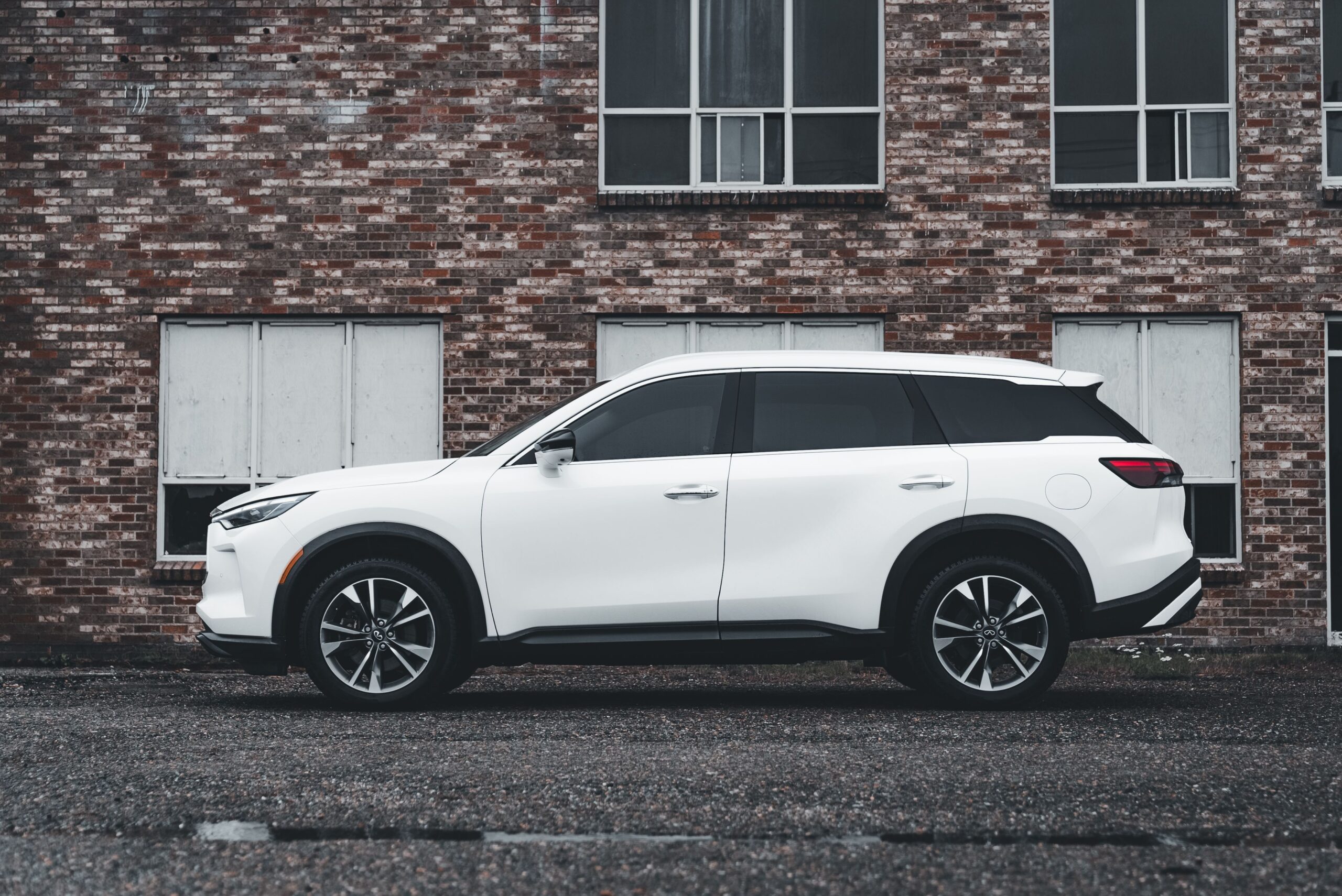

Run the math on a three-row SUV and the gap between the frugal picks and the thirsty ones is not small change. Kia’s Sorento Hybrid returns 37 mpg combined in EPA-sourced testing published by Edmunds, best in the class, while a V6 Chevy Traverse or Honda Pilot lands at 22 mpg combined. At 15,000 miles a year and $3.20 a gallon, that gap works out to roughly $885 a year, money that either stays in your pocket or funds someone else’s fill-up habit. Hybrid powertrains have quietly rewritten what “efficient” means for family haulers once synonymous with thirsty V6s. Here are eight of the most relevant three-row SUVs on sale, ranked by EPA combined mpg.
1. Kia Sorento Hybrid: 37 MPG Combined (FWD)
Thirty-seven mpg combined for the front-drive Sorento Hybrid is a number that would look strong on a compact sedan, and Edmunds’ EPA-sourced data backs it up with 37 city and 36 highway. All-wheel-drive trims settle for a still-solid 34 mpg combined. The catch: the Sorento’s third row is the tightest on this list, built more for kids and cargo than grown adults on a road trip, so you’re trading knee room for the best fuel economy any gas-electric three-row sells for right now.
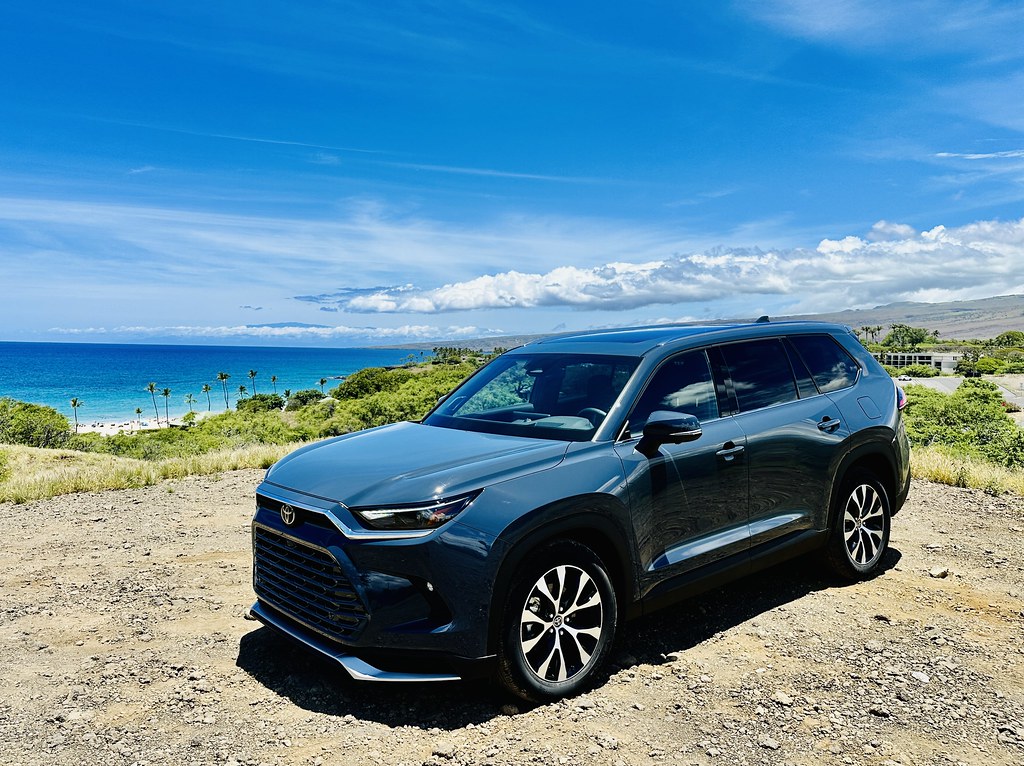
2. Toyota Grand Highlander Hybrid: 36 MPG Combined (FWD)
Toyota’s biggest Highlander variant gives up parking-lot maneuverability but not efficiency. The front-drive Grand Highlander Hybrid posts 36 mpg combined, dropping to 34 mpg combined once all-wheel drive gets added, according to fuel economy figures Edmunds pulled from EPA testing. That’s strong for an SUV with six extra inches of wheelbase and a third row that actually fits adults, not just backpacks. The 2.5-liter hybrid four-cylinder never makes the mpg gain feel like a power tax.
3. Kia Telluride Hybrid: 35 MPG Combined (FWD)
A hybrid Telluride finally exists, and the number attached is a genuine leap. Front-drive Telluride Hybrids rate 35 mpg combined, more than 70% better than the roughly 20 mpg combined the standard V6 manages, according to fuel economy figures compiled from EPA data. All-wheel-drive versions settle at 31 mpg combined, still a huge jump for a three-row buyers pick specifically for towing and snow days. If you loved the Telluride’s interior and hated its fuel bills, this is the fix.
4. Toyota Highlander Hybrid: 35 MPG Combined (AWD)
Toyota’s original three-row hybrid still holds up. Every all-wheel-drive Highlander Hybrid trim, from XLE to Platinum, carries a 35 mpg combined rating in the EPA’s own database, confirmed independently by Edmunds’ trim-by-trim breakdown. It seats seven, drives lighter than its size suggests, and gets there without a plug or a charger to plan errands around. For buyers who want proven reliability over newer rival hybrid systems, it’s the safe bet that still sips gas.
5. Hyundai Palisade Hybrid: 34 MPG Combined (FWD)
Hyundai’s redesigned Palisade Hybrid tops out at 34 mpg combined on the front-drive SEL, and even heavier all-wheel-drive versions hold at 29 mpg combined, per EPA ratings detailed by Headquarter Hyundai’s fuel economy page. That’s against a standard gas Palisade averaging 20 to 21 mpg combined, so the hybrid pays for itself fast. Hyundai also gave the third row real legroom, so you’re not choosing between mileage and where your kids sit.
6. Ford Explorer: 24 MPG Combined (FWD)
Drop out of hybrid territory and the numbers fall off a cliff. The Explorer’s 2.3-liter turbo four leads the gas crowd at 24 mpg combined in front-drive form, sliding to 23 mpg combined with all-wheel drive, based on EPA figures tracked by Edmunds. It’s the best a non-hybrid three-row manages here, still 13 mpg behind the Sorento Hybrid at the top. A gas-only three-row can be reasonably efficient, just not efficient enough once electrification enters the picture.
7. Chevrolet Traverse: 22 MPG Combined (FWD)
General Motors traded the old Traverse’s V6 for a 2.5-liter turbo four and picked up real mileage in the swap: 22 mpg combined in front-drive trims, 21 mpg combined with all-wheel drive, according to EPA numbers listed by Edmunds. That’s a meaningful bump over the outgoing V6, and it puts Chevy’s largest crossover roughly on par with the Pilot rather than trailing it. You won’t mistake the fuel bill for a hybrid’s, but the turbo four keeps the Traverse from being the tank of the segment.
8. Honda Pilot: 22 MPG Combined (FWD)
Honda’s Pilot rounds out the list dead even with the Traverse: 22 mpg combined on front-drive trims, 21 mpg combined with all-wheel drive, per Edmunds’ EPA-based breakdown. It’s not a number that impresses anyone cross-shopping a hybrid, but the Pilot’s naturally aspirated V6 gives up nothing in drivability, towing capacity, or the long-term reliability that keeps these things running past 200,000 miles. For buyers who’ve decided hybrid complexity isn’t worth it, this is what the trade-off costs at the pump.
The pattern across all eight is hard to miss: every hybrid three-row here clears 34 mpg combined, and every gas-only competitor tops out in the low-to-mid 20s, a split wide enough that “best available fuel economy” and “gas-only” are becoming mutually exclusive phrases in this segment. Automakers aren’t tuning V6s for marginal gains anymore; they’re replacing them outright. Shop a three-row SUV without test-driving a hybrid trim, and you’re leaving real money on the table every time you pull up to a pump.