

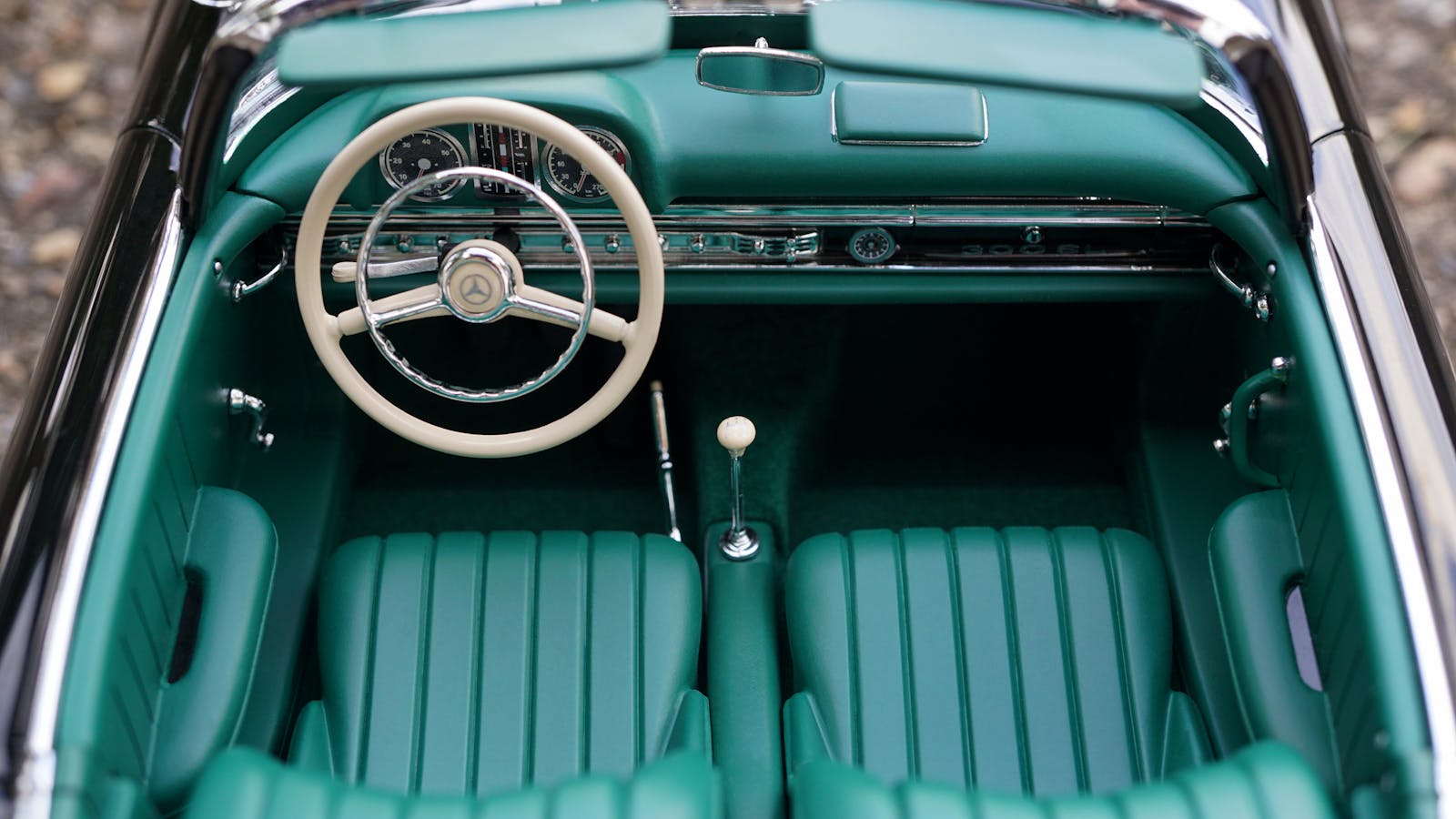
The automobile industry during the Baby Boomer era, spanning the late 1940s to the early 1970s, produced iconic vehicles that shaped American culture, reflecting the aspirations and values of a generation. These cars not only transformed the automotive market but also influenced social dynamics, economic growth, and consumer behavior. Understanding these vehicles provides insight into how they impacted mobility and lifestyle during a pivotal time in U.S. history.
1. Ford Mustang (1964)
Introduced in April 1964, the Ford Mustang quickly became a symbol of freedom and rebellion for the Baby Boomer generation. With over 1 million units sold within the first two years, the Mustang captured the heart of American youth, offering a blend of performance and style. Its affordability and sporty design made it accessible, allowing young drivers to experience the thrill of driving without breaking the bank.
The Mustang also catalyzed the muscle car craze of the 1960s, influencing competitors to develop their own versions, such as the Chevrolet Camaro and Pontiac Firebird. The Mustang’s cultural significance was further solidified by its appearances in films like “Bullitt” and “Gone in 60 Seconds,” which showcased its prowess and charisma.
2. Volkswagen Beetle (1950s-1970s)
As one of the best-selling cars of all time, the Volkswagen Beetle became an emblem of counterculture during the Boomer era. With approximately 21 million units sold worldwide by 2003, it represented a departure from traditional American automotive design, emphasizing simplicity and efficiency. Its distinctive shape and reliable performance appealed to a generation seeking alternatives to the ostentatious cars of the time.
Aside from its practical attributes, the Beetle also became synonymous with the hippie movement, frequently appearing at protests and music festivals. The low price point, averaging around $1,500 in the 1960s, made it accessible to many young Americans, further entrenching its status as a cultural icon.
3. Chevrolet Corvette (1953)
The Chevrolet Corvette, first introduced in 1953, epitomized American sports cars and became a symbol of performance and luxury. With its distinctive fiberglass body and powerful V8 engine, the Corvette appealed to affluent baby boomers looking for speed and style. By 1963, the second-generation model, known as the Sting Ray, was launched, featuring a sleek design and advanced engineering, which helped solidify its status as a performance benchmark.
The Corvette has sold over 1.5 million units since its inception, and it continues to be celebrated for its engineering and design. The car’s racing heritage and presence in popular culture, including appearances in numerous films and television series, have kept the Corvette alive in the hearts of car enthusiasts.
4. Pontiac GTO (1964)
The Pontiac GTO, often credited with launching the muscle car movement, debuted in 1964 and quickly became a favorite among Baby Boomers. With its high-performance V8 engine and aggressive styling, the GTO offered an exhilarating driving experience at an affordable price, starting at around $3,200. Its success prompted other manufacturers to enter the muscle car market, leading to a fierce competition that defined the automotive landscape of the 1960s.
Sales soared, with the GTO selling over 32,000 units in its first year alone, and it became a status symbol for youth seeking power and performance. However, the GTO’s legacy is mixed; while it represented freedom and excitement, it also contributed to a growing culture of speed that raised safety concerns in the years to come.
5. Ford F-Series (1948-Present)
The Ford F-Series has been a dominant force in the pickup truck market since its introduction in 1948, and it continues to be a best-seller today. By the late 1960s, the F-Series evolved to cater to a growing demand for ruggedness and utility, appealing to both working-class families and outdoor enthusiasts. The F-150, part of this series, became synonymous with reliability and durability, averaging over 700,000 sales per year in the late 1970s.
This vehicle not only transformed transportation for millions but also had significant economic implications, contributing to the growth of industries related to construction, agriculture, and outdoor recreation. The F-Series’ impact on American culture is profound, as it represents the values of hard work and practicality that resonated with the Baby Boomer generation.
Conclusion
The cars that defined the Baby Boomer era reflect