
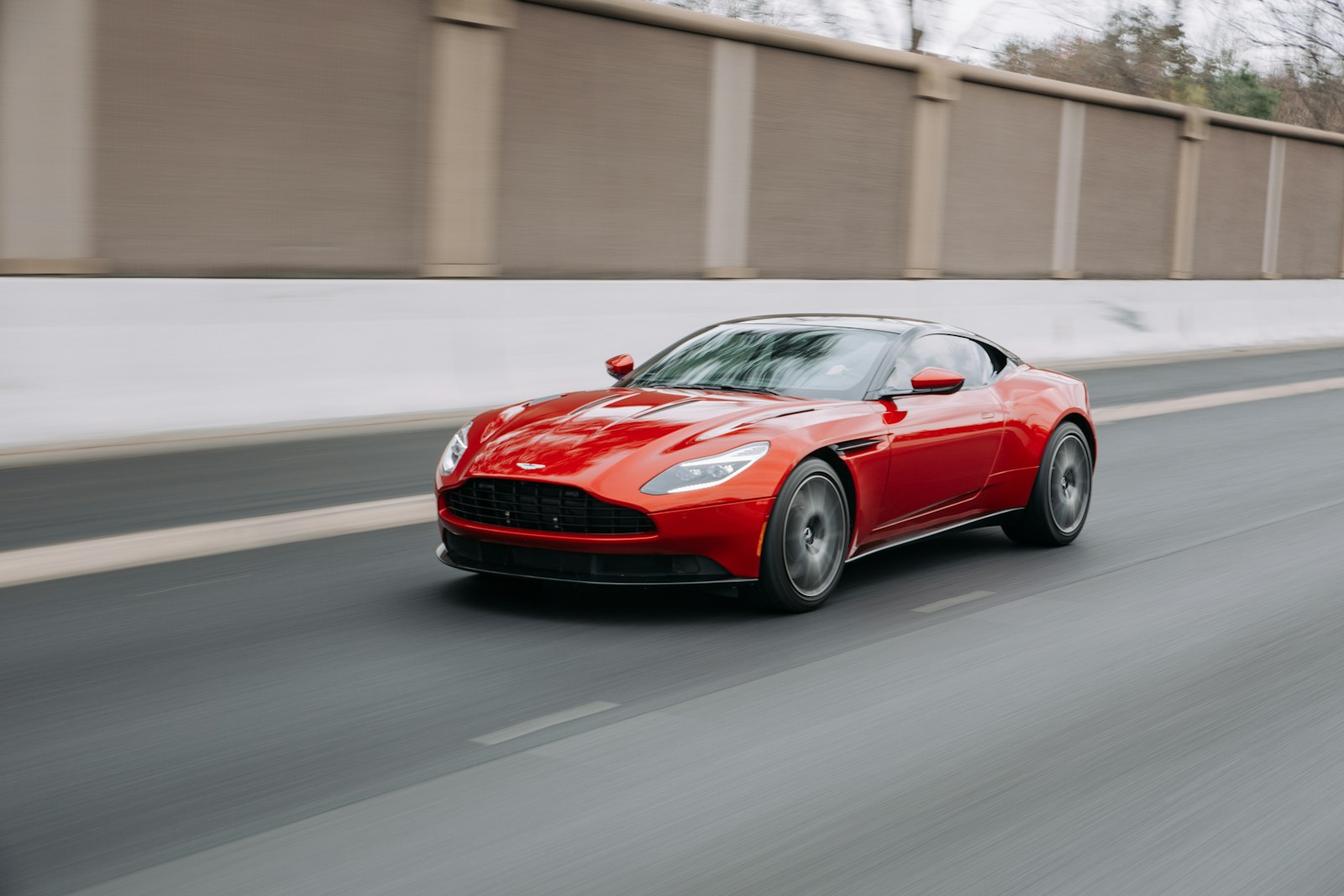

You can be a perfectly decent driver and still get slapped with a ticket because of something on your car — not something you did on the road. It’s one of those annoying realities of modern driving: the car itself can be “non-compliant,” and a cop (or parking enforcement, or a camera system) might notice before you do. Most of these issues are easy to fix, but they’re also easy to overlook because they creep up slowly.
Here are five surprisingly common car-related troublemakers that can lead to a fine — plus a few practical tips so you can avoid donating money to your local government’s “oops fund.” Laws vary by state and country, so think of this as a smart checklist, not legal advice carved in stone.
1) License plates that are blocked, dirty, bent, or “too creative”
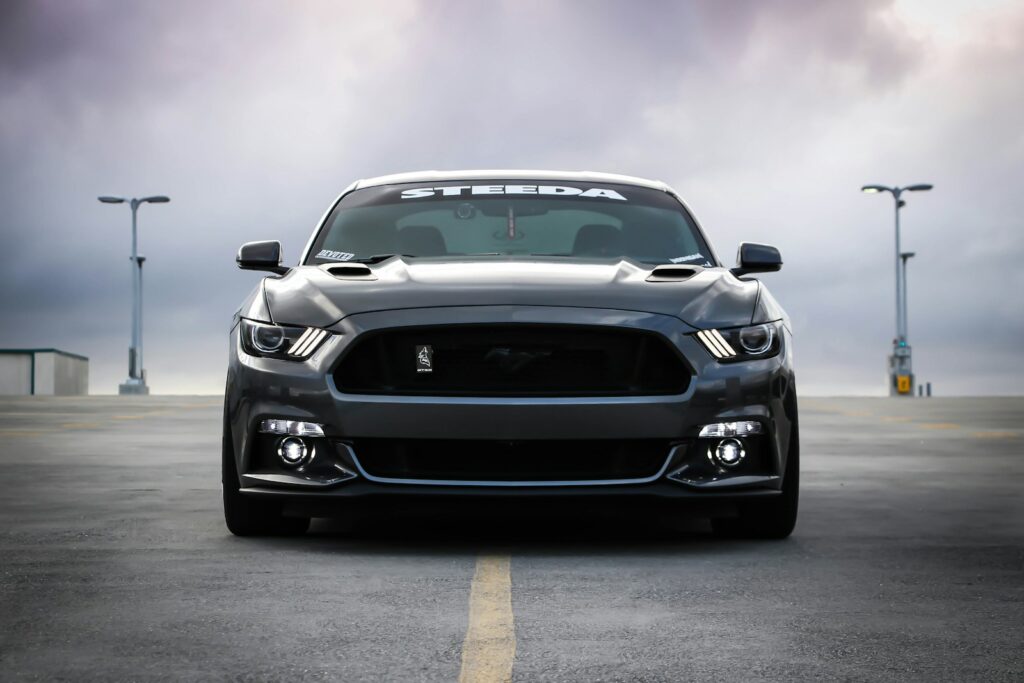
This one’s the classic: your license plate has to be readable. That means no tinted covers, no smoked plastic shields, no novelty frames that cover the state name or registration stickers, and definitely no “it’s fine, you can still kind of see it” vibes. Even a bike rack, hitch-mounted cargo carrier, or spare tire can accidentally block the plate and earn you a stop.
Dirt and snow can do the same thing, especially in winter. If your plate is caked with road grime or folded up from a minor bump, an officer may treat it like an equipment violation. Quick fix: keep the plate clean, ditch the tinted cover, and make sure any accessory (like a rack) doesn’t hide it — or add an auxiliary plate bracket if your area allows it.
2) Headlights, taillights, or turn signals that are out (or the “wrong” kind)
A burnt-out bulb seems harmless until you remember that lighting isn’t just about seeing — it’s about being seen. Many places will ticket for a headlight out, a brake light that doesn’t illuminate, or a turn signal that’s hyper-flashing like it’s had too much coffee. It’s also one of the most common reasons people get pulled over in the first place, even when they’re driving perfectly normally.
There’s another twist: aftermarket lights can get you in trouble if they’re the wrong color, too bright, or not street-legal in your jurisdiction. Think blue headlights, excessively bright LED conversions in halogen housings, underglow lighting, or tinted taillight film that makes your brakes harder to see. If you’ve upgraded bulbs, stick with DOT/SAE-compliant parts where required, and do a quick “walk-around test” once a month — or whenever someone tells you, “Hey, your left light is out.”
3) Windshield cracks, illegal tint, and anything that messes with your view
That little chip you’ve been ignoring can turn into a full-blown windshield crack the moment the temperature changes or a truck flicks up a pebble. Many regions allow minor chips, but will fine you if the crack obstructs the driver’s view — especially if it runs across the area you look through most. And if it looks unsafe, you may get a “fix-it ticket” that still costs time and money.
Tint is another sneaky one because it can look great and still be illegal. Front side windows and windshields usually have stricter rules than rear windows, and enforcement can be inconsistent until the day it isn’t. If you’ve bought a used car, don’t assume the tint is compliant — get it measured at a shop, and avoid hanging items from the mirror or piling up dashboard clutter that could be considered an obstruction.
4) Loud exhaust, missing mufflers, and tampered emissions equipment
A loud exhaust is fun right up until it becomes a conversation with an officer and a decibel meter (or, more commonly, an officer’s judgment and a citation). Many areas have specific noise limits or equipment requirements, and “it came like that when I bought it” doesn’t always get you off the hook. A muffler delete, exhaust leak, or modified catalytic converter can all put you on the fine menu.
Emissions tampering is an even bigger deal. Removing or modifying catalytic converters, disabling emissions controls, or installing non-compliant parts can lead to hefty penalties in some places — and it can also cause your car to fail inspection. If you’re modifying your car, check local laws first, keep receipts and documentation, and remember: there’s a big difference between a legal cat-back exhaust and anything that messes with emissions controls.
5) Expired registration, missing inspection stickers, or the wrong paperwork displayed
This is the one that feels the most unfair because it’s not a mechanical issue — it’s just life getting busy. But expired registration tabs, missing inspection stickers, or an out-of-date temporary tag can absolutely lead to a fine, and sometimes the ticket is automatic if your area uses plate readers. Even if the car is perfectly safe, the paperwork still has to be current.
Also watch for placement rules: some places care exactly where the stickers go and whether they’re visible. And if you’ve recently renewed, don’t forget to actually put the new sticker on — it’s amazing how many people pay for renewal and then keep driving around advertising the old expiration date. A simple calendar reminder a month before renewal can save you a lot of hassle.
A quick “no-ticket” walk-around you can do in two minutes
If you want the easiest preventative routine, do this: walk around your car once in a while. Check that the plate is visible and clean, lights are working, and nothing is dangling in the windshield. Glance at your tires too — some places can cite bald tires as an equipment violation, and even where they don’t, it’s still a safety issue you’ll want to catch early.
Most fines tied to “stuff on your car” aren’t about being mean — they’re about visibility, safety, and accountability. The frustrating part is you can get penalized for something you honestly didn’t notice. The good news is that once you know what to look for, you’ll spot these problems before they spot your wallet.
More from Steel Horse Rides: