
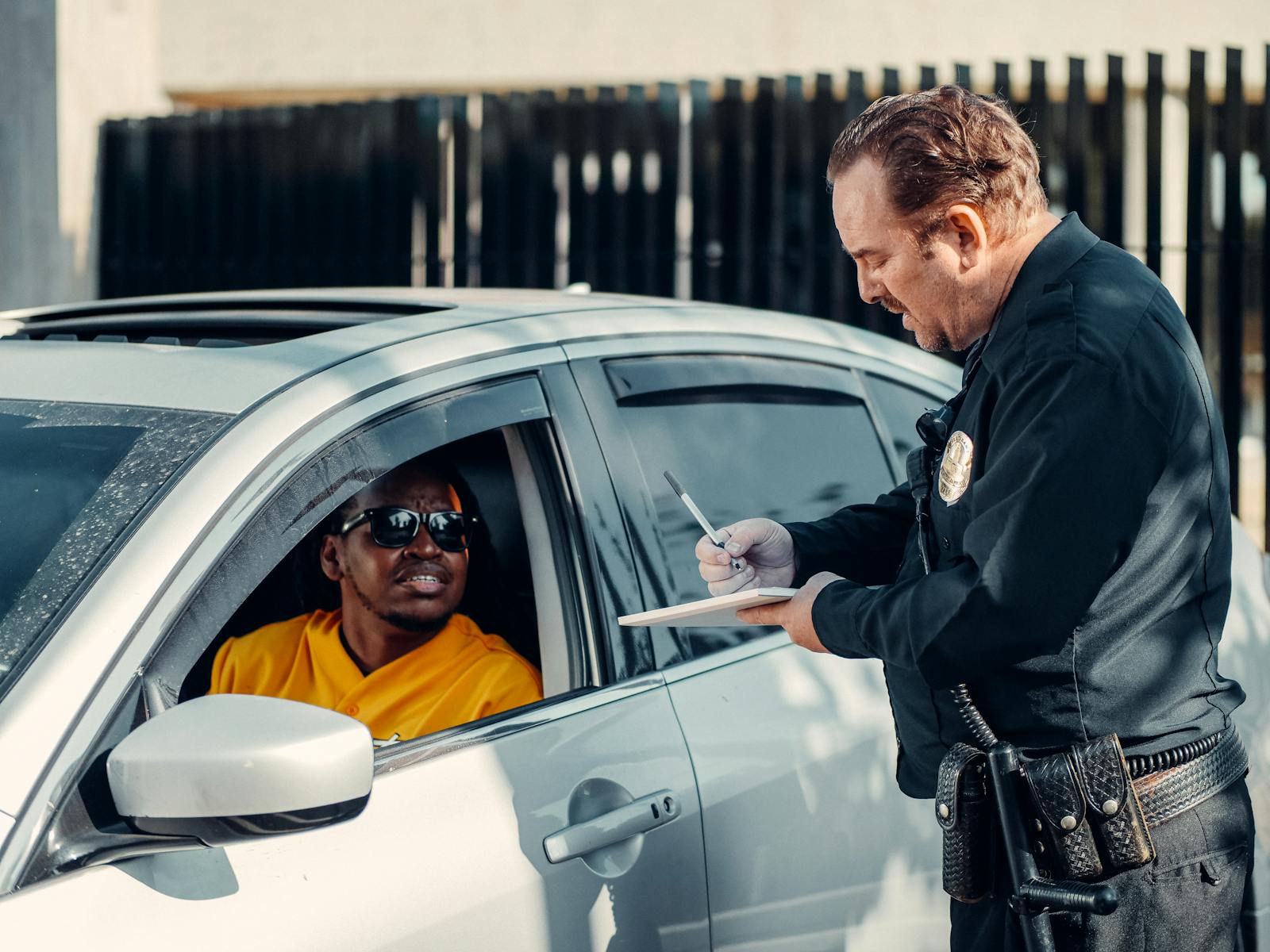

You know that feeling when you’re just minding your own business and you catch a police officer’s glance a little longer than usual? Most of the time, it’s nothing—just a quick scan of what’s going on. But officers are trained to notice patterns, not “vibes,” and certain behaviors can quietly bump you up the mental priority list.
This isn’t about blaming people for existing in public. It’s about understanding what tends to trigger a second look so you can avoid accidental misunderstandings—especially when you’re tired, stressed, late, or simply not thinking about how you appear from the outside.
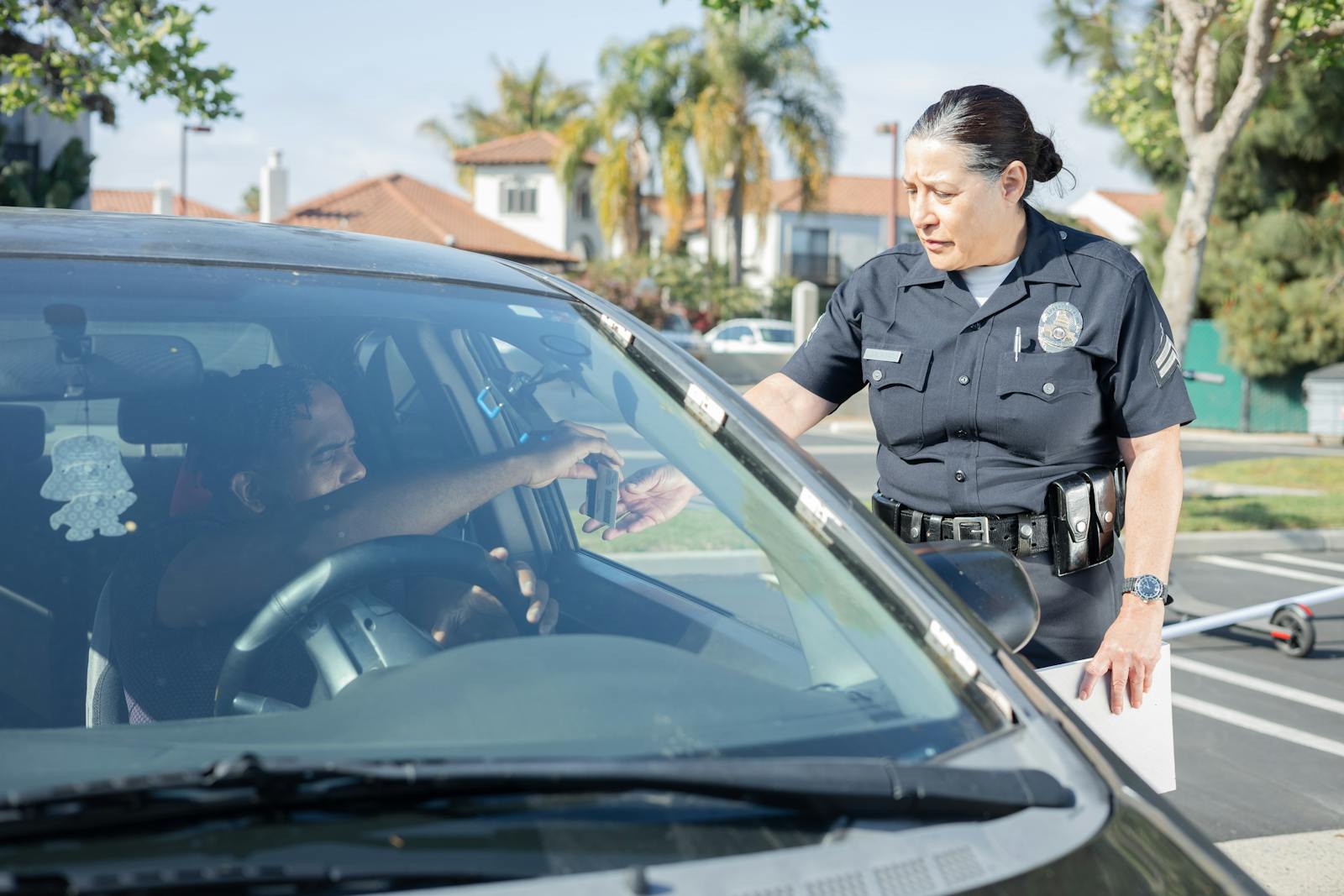
1) You’re “out of place” for the time or setting
One of the biggest attention magnets is being somewhere that doesn’t match the normal rhythm of the area. Think: walking through a quiet commercial strip behind closed stores at 2 a.m., hanging around a parking lot with no open businesses, or lingering near a closed park after hours.
Officers often work off patterns—what’s typical, what’s not, and what tends to precede calls for service. Being out at an unusual time doesn’t mean you’re doing anything wrong, but it can read as “worth a closer look” because it’s a common ingredient in thefts, break-ins, and trespassing complaints.
If you’re perfectly legit (night shift, insomnia, dog that thinks 3 a.m. is sunrise), the simplest fix is just to look purposeful. Moving with a clear destination, keeping to well-lit public paths, and not hovering around entrances or vehicles can reduce the “why are they here?” factor.
2) You keep adjusting your waistband, pockets, or bag
This one’s surprisingly common: people tugging at their waistband, repeatedly patting a jacket pocket, or repositioning a bag like it’s trying to escape. To you, it might be nothing—your phone is heavy, your jeans don’t fit right, or your keys are doing interpretive dance in your pocket.
To an officer, repetitive “security checks” can look like someone making sure a weapon, stolen item, or contraband is still there and concealed. It’s not that every pocket pat equals trouble; it’s that the behavior is a known tell in certain situations, so it gets attention.
If you catch yourself doing it a lot, it’s worth fixing the root cause: use a belt, move items to a different pocket, zip the bag, or wear something that sits comfortably. It sounds mundane, but the less you look like you’re managing a secret, the less interesting you become.
3) You’re scanning everything… except where you’re going
There’s a difference between normal situational awareness and “I’m shopping for an opportunity.” Officers pay attention to people who seem more focused on watching others than on their own path—glancing into car windows, peeking at doorways, tracking who’s nearby, or repeatedly looking over their shoulder.
Sometimes this is totally innocent: you’re lost, you’re looking for a friend, you’re anxious, or you’ve had bad experiences and you’re hyper-alert. But from a distance, a lot of scanning can resemble casing—checking for cameras, witnesses, unlocked cars, or easy targets.
If you’re trying to avoid drawing attention, do what you’d do anyway if you were relaxed: check your phone map, pause in a normal spot (like near a storefront), and look like you’re navigating—not hunting. It’s amazing how quickly “confused” reads differently than “sneaky.”
4) You’re acting like you really don’t want to be noticed
Ironically, trying to be invisible can make you memorable. Sudden changes in direction when a patrol car passes, ducking behind something, pulling a hood low the moment you see an officer, or speed-walking away with intense commitment can flip a switch in an officer’s head.
Why? Because avoidance behavior sometimes follows illegal activity, outstanding warrants, probation violations, or carrying something you shouldn’t. And officers are trained to notice abrupt, reactive movement—especially when it’s clearly in response to their presence.
If you’re doing nothing wrong, you don’t need to perform calmness like it’s an audition. Just keep moving normally, stay courteous if you make eye contact, and don’t do the “I’m totally not doing anything suspicious” routine. That routine is, unfortunately, a classic.
5) Your vehicle (or driving) looks like it comes with a story
On the road, officers don’t have time to psychoanalyze drivers—they notice safety issues and patterns linked to crashes, DUIs, and stolen vehicles. Things that earn a second look include no headlights when they should be on, drifting within a lane, inconsistent speeds, rolling stops, or a car with obvious equipment problems like a broken tail light.
Then there’s the “car itself” category: mismatched plates, temporary tags that look altered, windows so tinted they’re basically sunglasses for your windshield, or a vehicle loaded in a way that blocks the rear view. None of these automatically means wrongdoing, but they’re common enough in certain violations that they’re hard to ignore.
If you want the simplest, most boring driving profile (which is the goal), keep your car in good working order and drive predictably. Use signals, fully stop, keep your speed steady, and turn on your lights earlier than you think you need to. Predictability is practically invisibility in traffic.
A quick note on “second looks” and what to do if it happens
An officer taking a second look doesn’t mean you’re about to be stopped, questioned, or accused of anything. It often means they’re just doing their job: comparing what they see to what they know about recent calls, local complaints, or safety risks.
If you are approached, staying calm and respectful usually goes a long way. Keep your hands visible, answer what you’re comfortable answering, and follow lawful instructions—while remembering you can politely ask if you’re free to go. Most everyday encounters end quickly when everyone keeps things simple.
In the end, the common thread is “pattern disruption.” When you look like you don’t fit the normal flow—through movement, body language, location, or driving—officers tend to notice. If you’d rather not be noticed, aim for boring: clear purpose, calm movement, and fewer weird pocket pats.
More from Steel Horse Rides: