
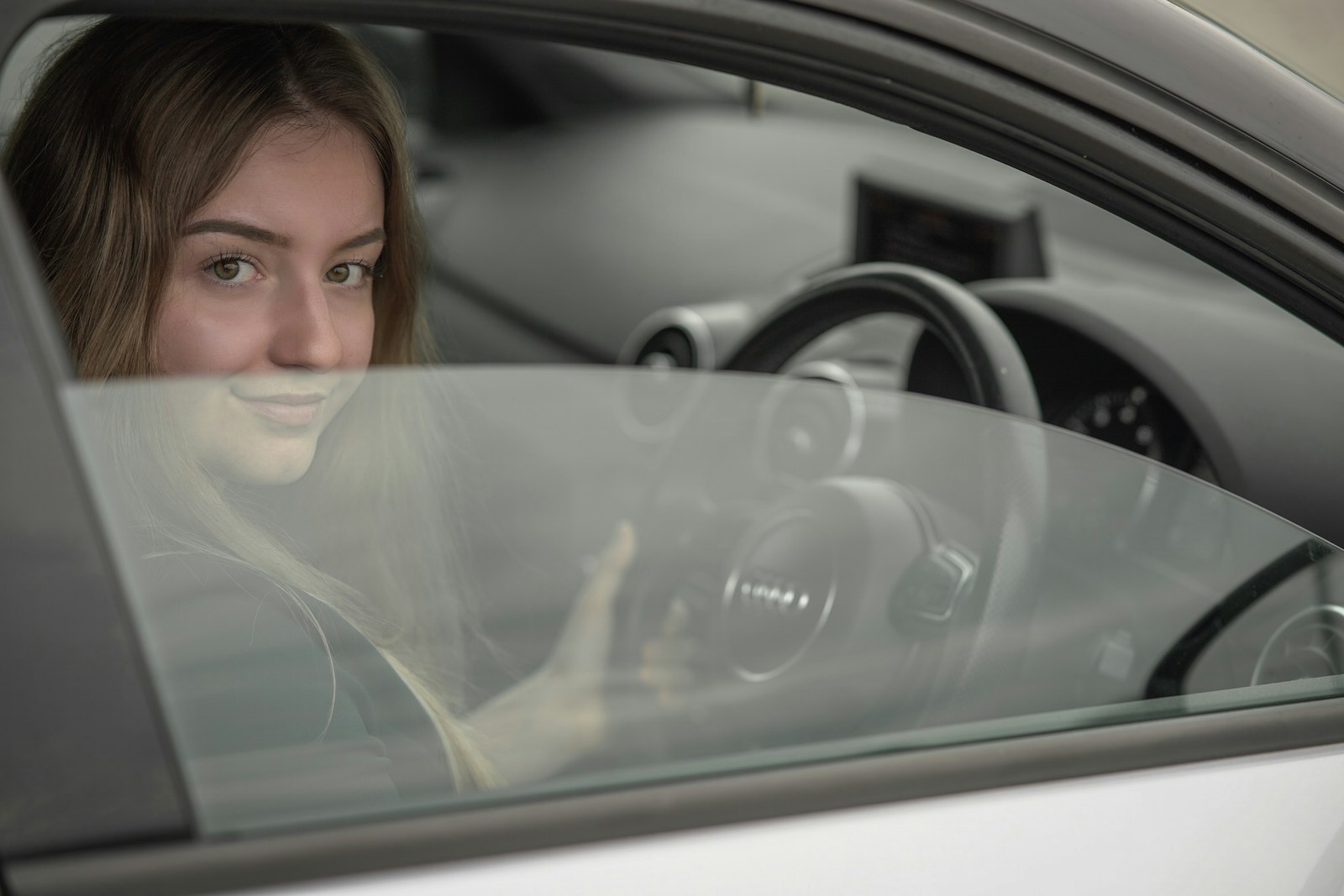

You can be a perfectly responsible driver and still end up staring at flashing lights in your rearview mirror, wondering what you did. A lot of traffic stops don’t happen because someone was driving like a maniac—they happen because of little “everyone does it” habits, or rules that feel too nitpicky to be real. And yes, sometimes an officer is looking for an excuse to check on something else, which makes those small violations matter even more.
Traffic laws also vary wildly depending on where you are, which is why something that’s normal in your hometown can be ticket bait one state over. So consider this a friendly heads-up: these are five things many drivers assume are totally fine, but can absolutely get you pulled over.

1) Driving with a burnt-out headlight (even if the other one works)
A surprising number of people think, “I’ve still got one headlight, so I’m good.” Nope. In most places, a headlight out is a legitimate equipment violation, and it’s one of the easiest things for an officer to spot at night—or even during the day with running lights.
It gets trickier because sometimes it’s not the bulb, it’s a fuse, wiring, or a headlight housing issue. If one light looks dim or flickers, that can also draw attention. The fix is usually cheap and fast, but the stop (and potential ticket) is neither.
2) “Just keeping up with traffic” while speeding
This is the classic defense, and it feels logical: if everyone’s going 75 in a 65, you’re safer going with the flow, right? Sometimes that’s true from a safety standpoint, but legally, it doesn’t matter. The speed limit is still the speed limit, and “I was blending in” won’t stop a ticket from printing.
Also, you might not be blending in as well as you think. Officers often pick the easiest car to clock, the one changing lanes more, or the one that simply stands out—bright color, sporty look, out-of-state plates, you name it. If you want to reduce your odds, aim for the right lane, keep a steady following distance, and don’t be the “pace car” for a pack.
3) Rolling through a stop sign (even at 2 mph)
The “California stop” is basically a cultural phenomenon at this point—slow down, glance around, keep moving. The problem is that the law usually requires a full stop, meaning your wheels actually stop turning. If you don’t, it’s a clean, straightforward reason to pull you over.
And intersections are where police often hang out for exactly this reason. A rolling stop is easy to observe, easy to explain in court, and sometimes bundled with other issues like failure to yield to a pedestrian. The safest rule is boring but effective: stop fully, pause for a beat, then go.
4) Not signaling “because no one’s around” (or because you’re in a turn-only lane)
Not using your turn signal when you think it’s unnecessary is one of those tiny choices that can snowball. Many states require signaling for lane changes and turns regardless of whether you think another driver is affected. And even if the rule has some nuance, an officer can still interpret your no-signal move as unsafe driving.
People also assume they don’t need to signal if they’re in a turn-only lane. In some places, you still do—because the signal communicates intent to pedestrians, cyclists, and drivers who might be approaching from odd angles. Plus, using it consistently means you won’t forget when it actually matters, like in heavy traffic or at a confusing intersection.
5) Having stuff hanging from your mirror (air fresheners, charms, parking tags)
This one feels almost silly until it happens to you. In many areas, objects hanging from the rearview mirror can be considered an obstruction of view, even if it’s just a little tree-shaped air freshener. Whether it’s strictly enforced depends on the place and the officer, but it’s absolutely used as a reason to initiate a stop.
The irony is that people often hang things there because it’s convenient—parking permits, graduation tassels, religious symbols, that one souvenir you swear you’ll take down later. If you want to play it safe, move it to the dashboard, a visor clip, or a vent. It’s one of the easiest “why risk it?” fixes on the list.
A quick reality check: “Pulled over” doesn’t always mean “ticketed”
Sometimes you’ll get a warning, sometimes you’ll get a fix-it ticket, and sometimes you’ll get the full citation. A lot depends on your driving history, your attitude, and whether the violation is considered a safety issue. (Also: whether the officer’s having a calm day or a chaotic one. We’re all human.)
But even a warning is still a stop, and stops take time, create stress, and can raise your risk in ways people don’t think about—like being late, getting your insurance notified if it turns into a citation, or simply having an awkward roadside conversation when you’d rather be anywhere else.
Small habits that lower your chances of getting stopped
If you want to stack the odds in your favor, think “predictable and maintained.” Keep your lights working, your registration and insurance current, and your car looking like it belongs on the road. Drive like you’re being graded on smoothness: gentle lane changes, complete stops, and signals every time.
And if you do get pulled over, the basics help more than people admit: safely pull over, keep your hands visible, stay calm, and don’t argue roadside. Save the debate for later if there’s something to dispute. The goal in the moment is simple—get the interaction over with and get back to your day.
More from Steel Horse Rides: