
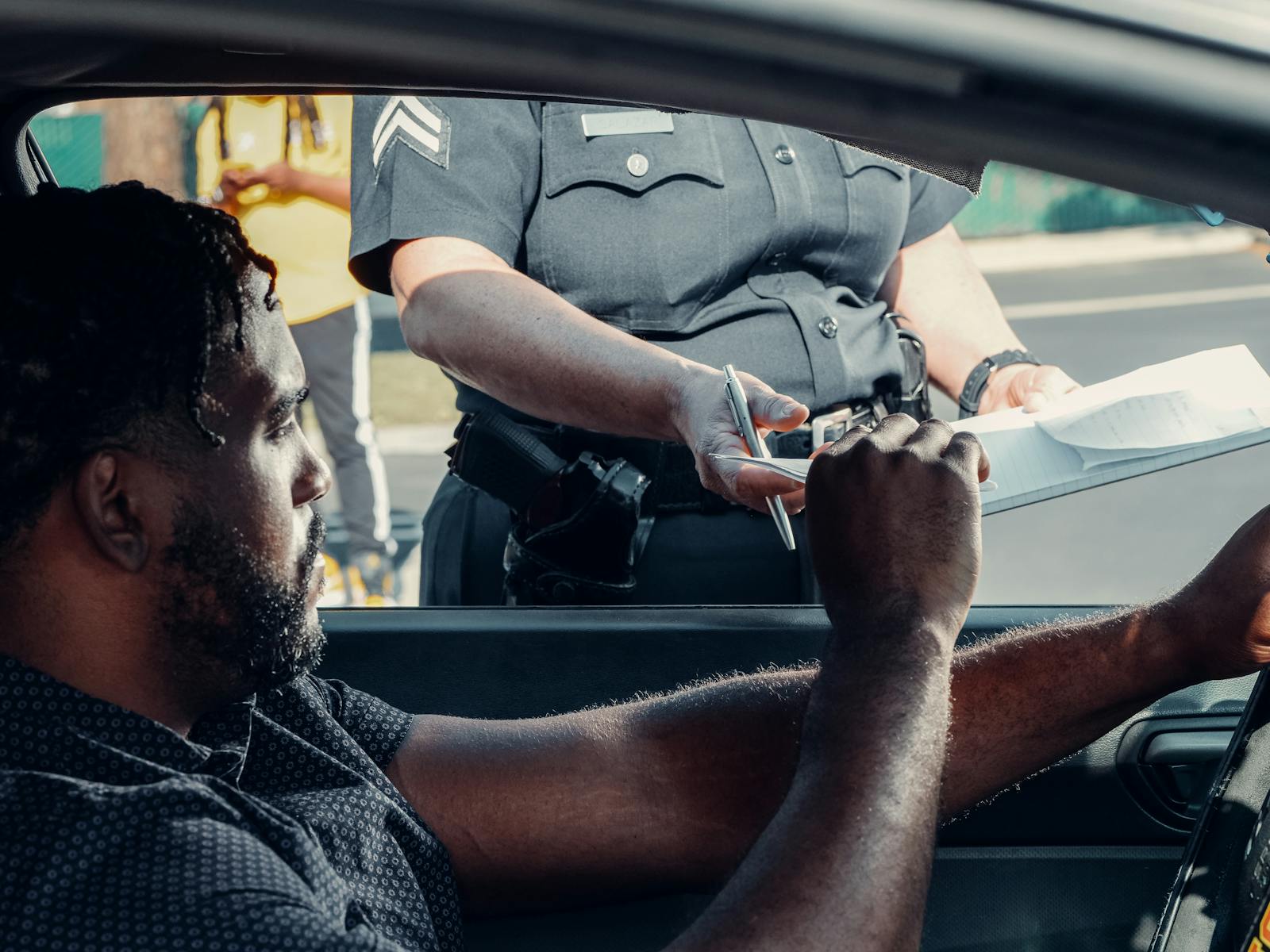

You don’t have to be doing anything “wrong” to catch an officer’s attention. Sometimes your car does the talking for you — with a flickering light, a weird wobble, or that one brake lamp that’s been out since… honestly, who even knows. Officers spend a lot of time watching traffic, so certain vehicle issues jump out fast, even in a quick glance.
The tricky part is that a lot of these problems start small. You might barely notice them from the driver’s seat, but from behind (or from the next lane), they can look like a safety hazard or a sign something’s off. Here are five common vehicle problems officers tend to spot right away — and how to fix them before they turn into an awkward roadside chat.
1) Broken or Missing Lights (Headlights, Taillights, Brake Lights, Plate Lights)
If there’s one thing officers notice in a heartbeat, it’s lighting. A dead headlight, a taillight that’s out, or a brake light that doesn’t brighten when you stop can be obvious from a block away — especially at dusk, in rain, or at night. And yes, that little license plate light counts too; it’s small, but officers look for it.
Why it matters is pretty simple: other drivers rely on your lights to predict what you’re about to do. A burned-out brake light can make your stops look like surprise attacks, and an unlit plate can raise questions even if you’re just driving home from the grocery store. The fix is usually cheap and quick, and it’s worth checking all your lights once a month — have a friend stand behind the car, or use reflections in a garage door if you’re solo.
2) No Front Plate (Where It’s Required) or an Obscured Plate
License plates are like your car’s name tag, and officers are trained to notice when that name tag is missing, covered, or hard to read. In states that require a front plate, driving without one is a classic “easy spot.” And even if your state doesn’t require it, an unreadable rear plate can still be an issue.
The sneaky part is how many things can make a plate unreadable: tinted plate covers, peeling paint, bent metal, road grime, even a license plate frame that covers the state name or registration sticker. Also, plates that sit behind dark glass (like in some rear windows) can be a problem depending on local rules. If you’re not sure what’s legal where you drive, check your DMV guidelines — and if you’ve got a fancy smoked cover, consider whether it’s worth the attention.
3) Cracked Windshield (Especially in the Driver’s Line of Sight)
A small chip happens. A long crack that crawls across the driver’s view like a lightning bolt? That’s the kind of thing an officer can notice even while passing you. Windshield rules vary by state, but many focus on whether the crack obstructs the driver’s line of sight or creates a safety concern.
Beyond enforcement, it’s genuinely worth fixing quickly because cracks spread — heat, cold, potholes, and door slams can all make them worse. If it’s a chip, repair kits and windshield shops can often seal it before it turns into a full replacement. And if your wipers keep snagging the crack, that’s your car politely telling you it’s time.
4) Excessively Worn Tires or “Something’s Not Right” Tire Behavior
Officers don’t need a tread gauge to spot a tire that looks bald, uneven, or suspiciously low. A flat-ish tire changes the whole posture of the car, and uneven wear can show up as a subtle lean or a weird vibration. If your vehicle looks like it’s dragging one corner, it stands out.
Tires are one of those things drivers ignore until they can’t. But visible cords, obvious bald spots, or tires that look underinflated can be seen as an immediate safety issue. The easy habit: check tire pressure monthly (and before long trips), and glance at your tread while you’re pumping gas. If one tire looks more worn than the others, it could be alignment or suspension — and fixing it now is way cheaper than buying another set in six months.
5) Loud Exhaust, Missing Muffler, or “Modified” Noise That Turns Heads
Some cars are loud on purpose. The problem is that “fun loud” and “ticket loud” aren’t always the same thing, and officers can hear an exhaust issue long before they see your car. A broken muffler, exhaust leak, or aggressive modification can draw attention, especially in neighborhoods with noise ordinances.
It’s not just about sound, either. Exhaust problems can mean fumes leaking where they shouldn’t, which is a health and safety issue — especially if it’s creeping into the cabin. If your car suddenly sounds like it’s auditioning for a race track, don’t assume it’s just “getting older.” Have a shop check for leaks, loose hangers, or missing components, and keep receipts if you’re in the middle of repairs (it can help explain the situation if you do get stopped).
What to Do If You Think One of These Applies to You
The best approach is boring, practical, and wildly effective: do a quick walk-around once in a while. Lights on, hazards flashing, step on the brake, check the plate, glance at tires, and give the windshield a real look instead of the “I’m sure it’s fine” look. Five minutes in your driveway can save you a lot of hassle later.
If you’re fixing things gradually because money’s tight, prioritize anything that affects visibility and signaling — lights, tires, and windshield issues. And if you do get pulled over for something like a light out, being calm and straightforward goes a long way. Most officers have heard every excuse in the book, but “You’re right, I didn’t notice — I’ll get it handled” is usually better than improvising a novel on the spot.
Cars don’t need to be perfect, but they do need to be safe and readable to everyone around you. When your vehicle looks squared away, you blend into traffic — and blending in is underrated. It’s the driving equivalent of wearing neutral colors: less drama, more peace.
More from Steel Horse Rides: