
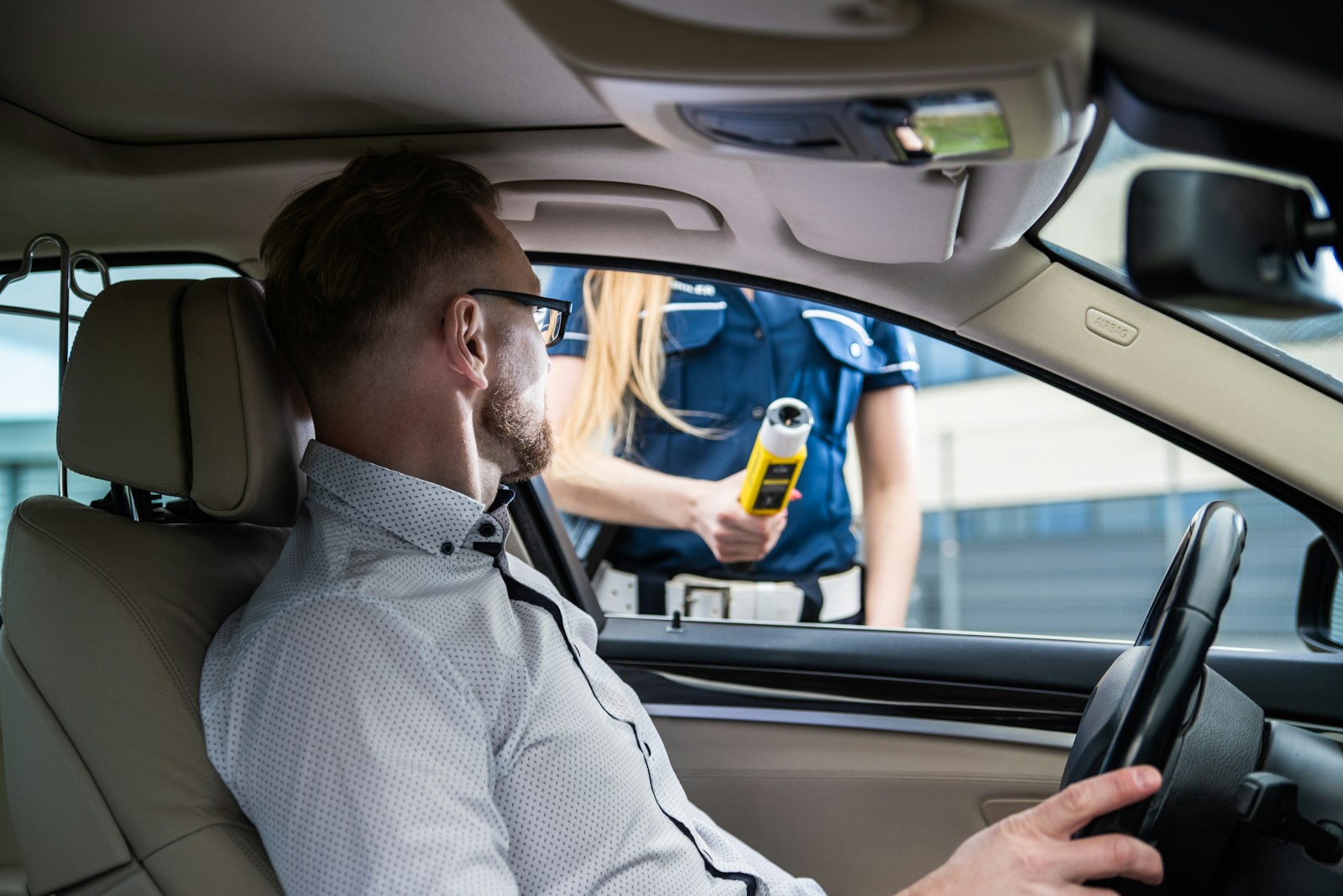

Most traffic stops are routine: a broken taillight, a rolling stop, maybe you were going “with the flow of traffic” (which somehow always means faster than the speed limit). But to an officer walking up to your window, it’s also an unknown situation. They don’t know you, they don’t know what’s in the car, and they’re making quick judgments based on what they can see.
That’s why certain behaviors—many of them totally understandable when you’re nervous—can raise an officer’s suspicion. Here are six of the big ones, plus what to do instead so the whole interaction stays calm and boring (the best kind of traffic stop).
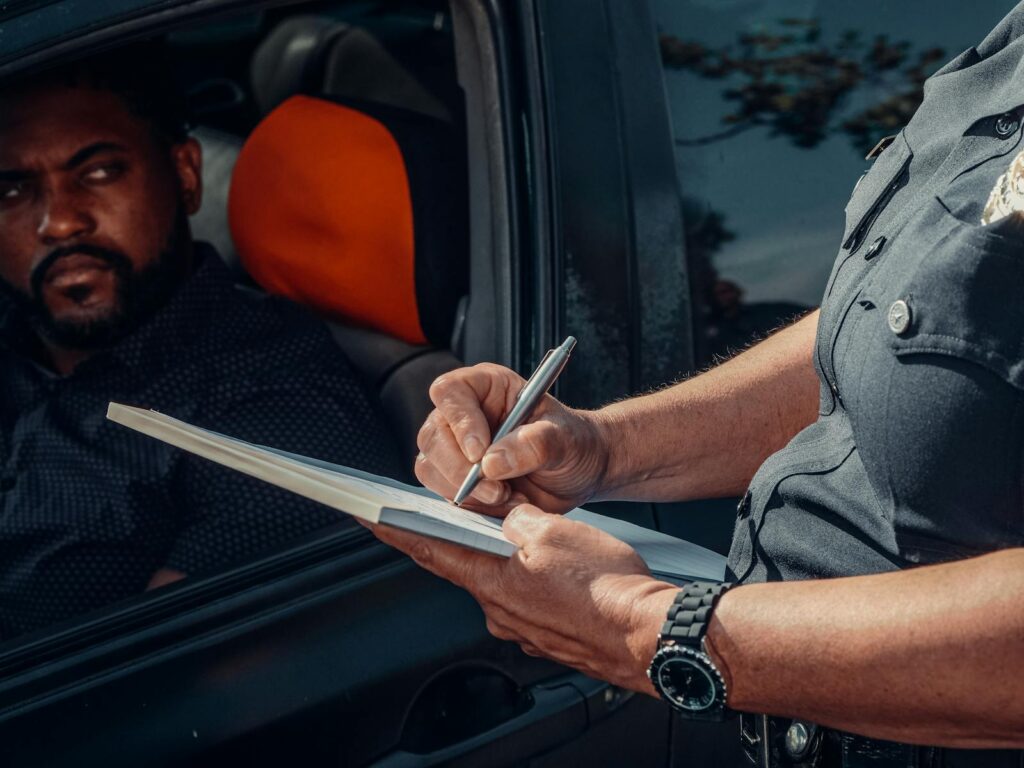
1) Frantic “reaching around” before the officer gets to your window
If you’re digging under the seat, twisting around to the back, or doing that panicked glovebox excavation while the officer is still walking up, it can look bad. From their angle, they can’t tell if you’re grabbing your registration… or grabbing something else. Even innocent movements can read as “concealing” or “retrieving” in the moment.
A safer move: keep your hands visible on the steering wheel and wait until they ask for documents. Then tell them what you’re doing: “My registration’s in the glovebox—okay if I reach for it?” It’s simple, and it removes the guesswork.
2) Hands that disappear (especially at night)
Officers are trained to watch hands, because hands are what can hurt someone. If your hands keep dropping into your lap, sliding into pockets, or vanishing between the seats, that’s going to spike attention fast. At night, tinted windows and interior shadows make this even more stressful for the person outside the car.
Try this: roll your window down, turn on your interior light if it’s dark, and keep your hands on the wheel when you’re not actively doing something. If a passenger is rummaging through a bag like it’s snack time at the movies, it can help to ask them to pause until the stop is over.
3) Overexplaining, contradicting yourself, or talking a mile a minute
Nervous chatter is real. People blurt out extra details, fill silences, or accidentally change their story mid-sentence because they’re flustered. To an officer, though, inconsistent explanations can sound like you’re trying to talk your way around something.
Keep it plain: answer what’s asked, then stop. You don’t need a courtroom-level narrative about why you drifted over the line—you can simply say, “I’m not sure,” or “I may have been going a little fast.” Calm, short answers usually land better than a speech.
4) Refusing basic instructions—or doing them in a hostile way
You’re allowed to have rights and boundaries, and you’re also allowed to be annoyed. But there’s a difference between being firm and being combative, and officers tend to treat hostility as a warning sign. Eye-rolling, sarcasm, arguing every sentence, or refusing to do simple things like provide license/registration can quickly escalate the tone.
If something feels off, you can still keep it respectful: “I’d like to comply, but I’m not comfortable with that. Can you explain what you need and why?” Staying polite doesn’t mean you’re surrendering your rights—it just helps keep the temperature down.
5) Visible signs of impairment (even if you’re just tired or anxious)
Red, glassy eyes. Slurred words. Trouble tracking the conversation. Fumbling for your wallet like it’s a magic trick gone wrong. Officers look for impairment clues because impaired driving is dangerous, and some of those clues overlap with perfectly innocent stuff—like exhaustion, allergies, or plain old nerves.
If there’s a harmless explanation, it’s okay to say it. “I’m exhausted—I just finished a double shift,” or “My eyes are red from allergies.” It won’t automatically erase suspicion, but it gives context that can make your behavior make more sense.
6) Trying to “manage the scene” (recording aggressively, sudden exits, or surprise moves)
Recording a stop is legal in many places, but shoving a phone in an officer’s face or making dramatic announcements can come across as confrontational. Same goes for suddenly stepping out of the car, walking toward the shoulder, or making abrupt movements without warning. Even if you mean well, surprise is the enemy of calm.
If you want to record, do it in a low-drama way: mount your phone, or hold it steadily without waving it around, and keep your attention on the conversation. And if you need to do something—reach for your phone, get out of the car, grab your insurance card—say it first and wait for a clear okay.
A few small habits that make stops smoother
There’s no magic script, but a few basics help almost every time. Pull over safely, stay in the car unless asked to exit, and keep your movements slow and predictable. The goal is to make it easy for the officer to see that you’re not a threat and not trying to hide anything.
It also helps to remember the officer is doing two jobs at once: talking to you and watching for danger. If you make their job simpler—visible hands, clear answers, no sudden surprises—the stop often becomes shorter and less stressful. And honestly, everyone wants the same ending: you drive away, they go back to their shift, and the story ends with “Anyway, I was five minutes late,” not “You will not believe what happened.”
More from Steel Horse Rides: