
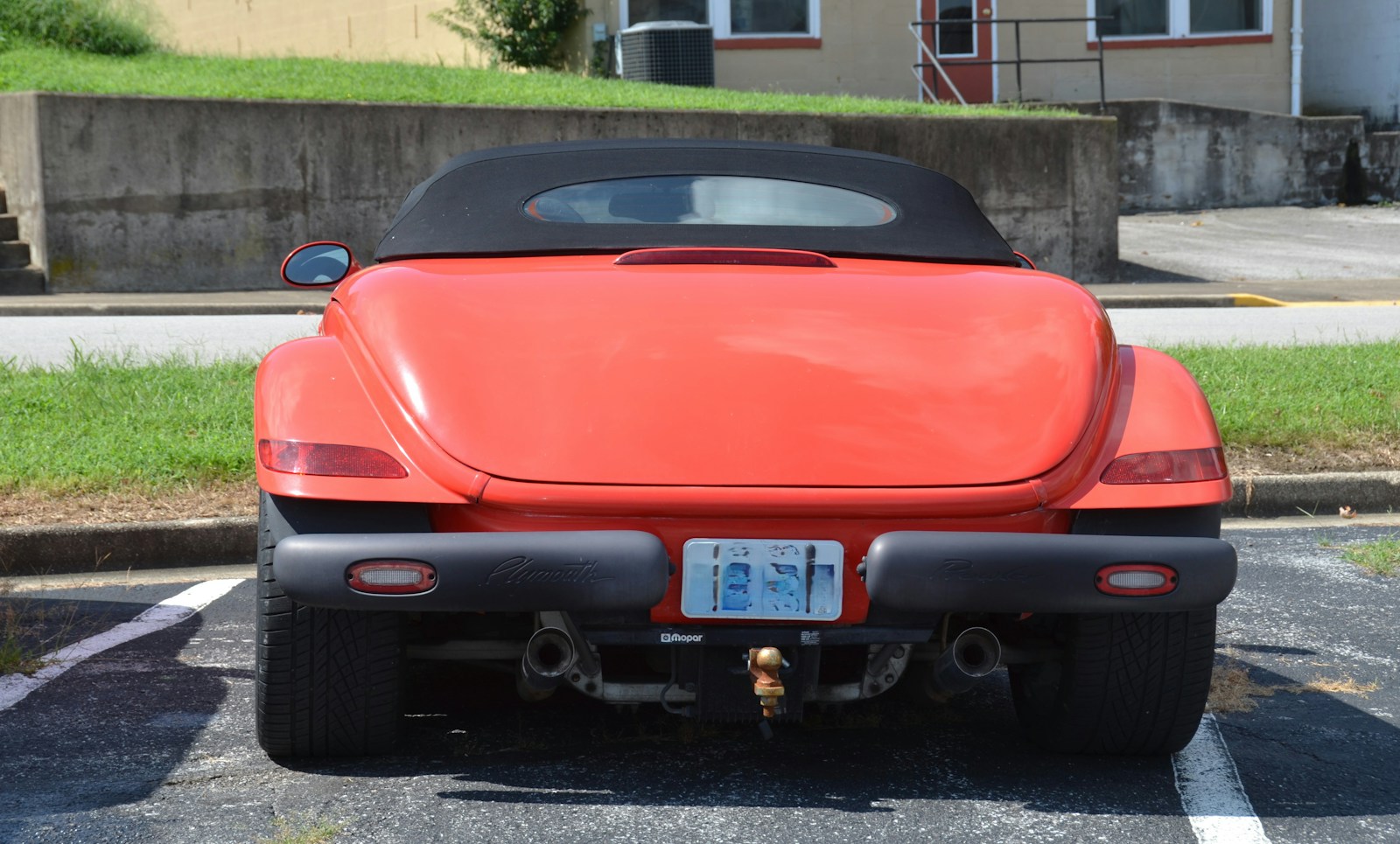

The 1990s produced some genuinely strange automotive swings — the decade that gave us restrained, sensible sedans also gave us cab-forward minivans shaped like teardrops, a factory hot rod built from a parts bin, and a coupe with a removable roof panel you stored in the trunk. At the time, plenty of these cars got laughed at in parking lots and panned in road tests for being too weird, too slow, or too impractical for their own good.
Time has a way of softening those judgments once a design becomes rare enough to feel novel again rather than merely dated. The oddities that made these cars easy targets in period reviews are frequently the exact things collectors and enthusiasts now find charming. Here are six that have quietly rehabilitated their reputations.
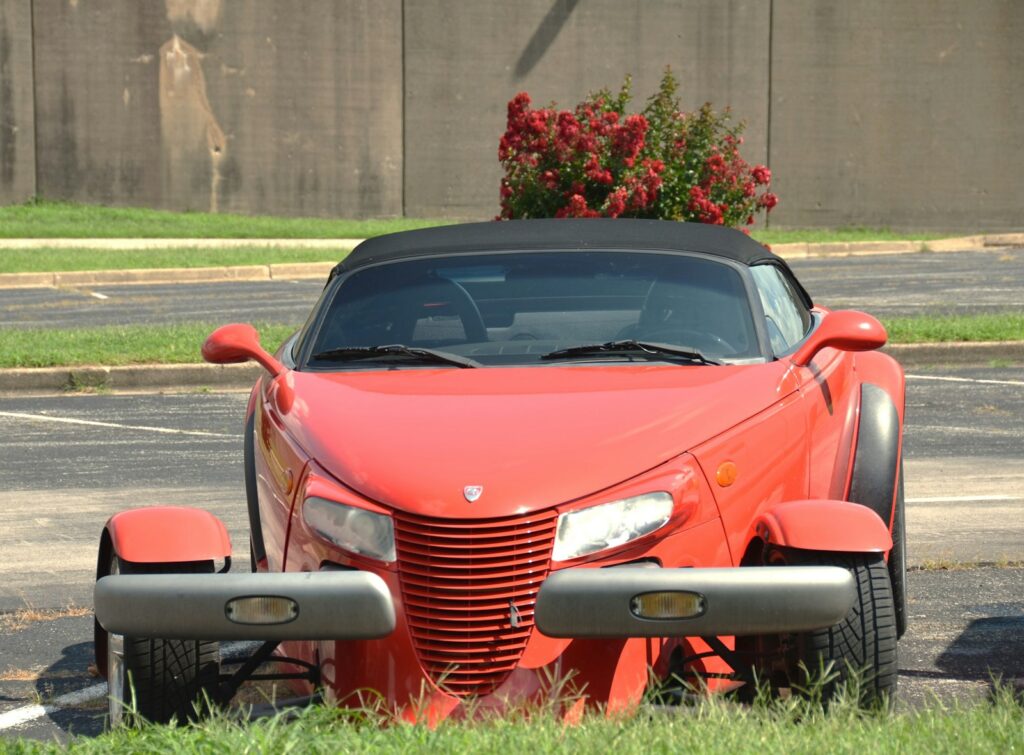
Toyota Previa
The Previa’s egg-shaped, cab-forward silhouette made it an easy punchline in a decade when minivans were still finding their design language, and its mid-engine layout, unusual for a minivan, meant a cramped engine bay that dealers and owners alike found intimidating to service. Critics at the time found it slow, especially in naturally aspirated form, and strange-looking next to boxier, more conventional competitors. Decades later, that same unconventional shape reads as genuinely futuristic rather than awkward, and the Previa’s engineering ambition — a supercharged option, near-perfect weight distribution from its mid-mounted engine, and available all-wheel drive — looks more impressive in hindsight than it did competing against cheaper, simpler vans in period reviews.
Geo Metro
Few cars absorbed more mockery in period than the Geo Metro, a featherweight economy car whose tiny three-cylinder engine and minimal power made it an easy target for anyone comparing spec sheets. It was slow, basic, and about as far from aspirational as a new car could be marketed. What’s changed is the broader automotive conversation around efficiency and simplicity: the Metro’s astonishing fuel economy, achieved with no hybrid technology at all, now reads as a genuine engineering accomplishment rather than a compromise, and its light weight and mechanical simplicity have made surviving examples a cult favorite among owners who value cheap, easy maintenance over performance nobody bought the car for anyway.
Subaru SVX
Subaru’s SVX arrived in the early ’90s with an aircraft-inspired window-within-a-window design that critics and buyers alike found bizarre rather than elegant, and its price tag put it awkwardly between mainstream Japanese coupes and genuine luxury sports cars without clearly beating either. Sales were disappointing, and the SVX quietly disappeared from Subaru’s lineup within a few years. Today, its genuinely unique design language and boxer six-cylinder engine, features Subaru never repeated in quite the same combination, have made it a favorite among enthusiasts specifically drawn to cars that took a real design risk, even one the market didn’t reward at the time.
Isuzu VehiCROSS
The VehiCROSS looked like nothing else on the road when it arrived in the late ’90s — aggressive plastic body cladding, a spare tire mounted awkwardly on the rear hatch, and proportions that split opinion sharply from the moment it launched. Reviewers and buyers found its styling polarizing at best, and Isuzu sold it in genuinely small numbers before exiting the passenger vehicle market in the U.S. entirely a few years later. That rarity, combined with styling that now reads as boldly ahead of its time rather than simply strange, has turned the VehiCROSS into a legitimate collector’s item, with clean examples commanding real money from buyers drawn to exactly the design choices that limited its appeal originally.
Plymouth Prowler
Marketed as a factory hot rod, the Prowler drew skepticism from enthusiasts almost immediately for pairing genuinely striking retro styling with a V6 engine and automatic-only transmission, a combination purists felt betrayed the hot rod spirit it was visually promising. Period reviews frequently noted the mismatch between the car’s look and its comparatively modest performance credentials. Enough time has passed that the Prowler’s design daring — open front wheels, an aluminum body, and a silhouette unlike anything else Chrysler built — now gets appreciated on its own terms, with the drivetrain complaints feeling less central to how the car is remembered than the sheer commitment of its styling.
Honda Del Sol
Positioned as a replacement for the beloved CRX, the Del Sol faced immediate and largely unfavorable comparisons, criticized for added weight, a targa-style removable roof panel that was genuinely cumbersome to store and swap, and handling that many enthusiasts felt was a step down from its predecessor. It struggled to escape the CRX’s shadow throughout its production run. With the CRX comparison less front-of-mind decades later, the Del Sol’s sharp, distinctive wedge styling and the eventual VTEC-equipped performance variants have earned it a more appreciative audience among Honda enthusiasts who value it as its own thing rather than measuring it against a car it was never going to fully replace.