

Some cars settle quietly into a consensus. Everyone more or less agrees whether they were good or bad, reliable or troublesome, and the conversation moves on. Then there are the cars on this list, which decades later still spark genuine, sometimes heated disagreement between people who owned them, people who wanted to own them, and people who never understood the appeal in the first place.
What makes these six interesting isn’t that they were secretly great or secretly terrible. It’s that reasonable people who spent real time with them came away with meaningfully different conclusions, and neither side has ever quite managed to talk the other out of it.
Pontiac Aztek
Almost no vehicle in modern automotive history has been as thoroughly mocked for its styling as the Aztek, whose awkward proportions and busy surfacing made it an instant punchline when it launched in the early 2000s. And yet the Aztek’s fan base, which has only grown over the years, points to genuinely clever practical features: a built-in air mattress option, a removable center console that doubled as a cooler, and cargo versatility that was ahead of its time for a crossover. The argument over the Aztek isn’t really about whether it was ugly; almost everyone agrees on that part. It’s about whether the substance underneath made the styling worth forgiving, and owners who lived with one tend to land firmly on the side of yes.
Chevrolet SSR
GM’s retractable-hardtop retro pickup convinced almost nobody it made practical sense, criticized on release for a heavy curb weight that dulled the performance its styling promised and a bed too small to be genuinely useful as a truck. Owners and enthusiasts who bought one anyway argue that judging the SSR on practicality entirely misses the point, since it was conceived as a rolling piece of hot-rod sculpture first and a working truck a distant second. The debate between people who see a confused, underpowered novelty and people who see a genuinely bold, low-volume design statement has never really been resolved, and both sides tend to agree on very little except that nothing else on the road looks quite like it.
Subaru Baja
Subaru’s attempt to graft a small pickup bed onto its Outback wagon platform produced a vehicle that confused buyers at launch and never sold in large numbers, criticized for a bed too short for serious hauling and styling that split opinion sharply from the day it debuted. Its small but devoted fan base argues the Baja nailed a genuinely useful niche: all-wheel-drive capability, car-like handling, and just enough open-air cargo space for the kind of outdoor gear a sedan buyer actually needs to haul. The argument persists mostly because both sides are right about their own priorities; it really was impractical as a true truck, and it really did solve a specific problem better than anything else on the market at the time.
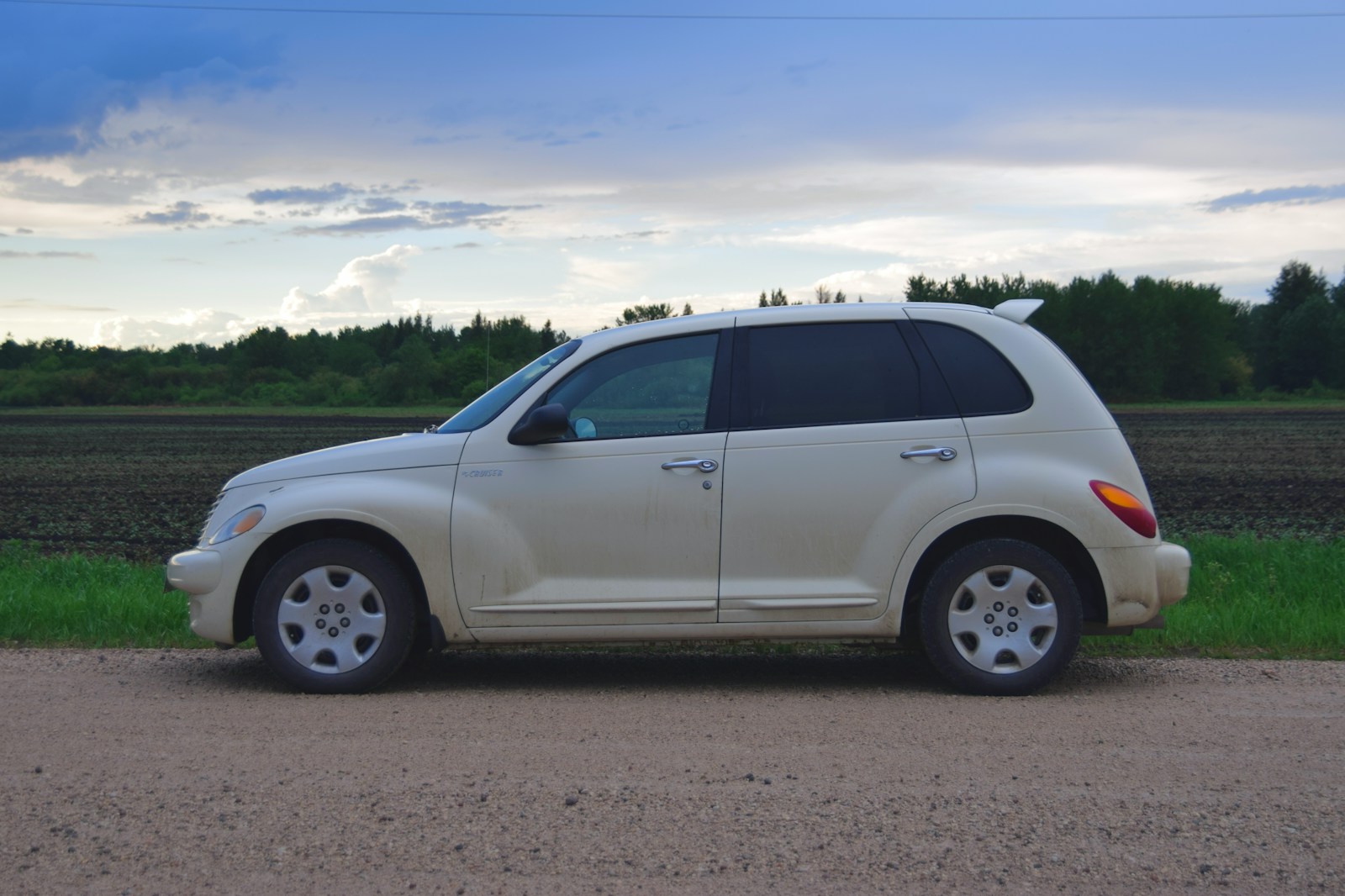
PT Cruiser
Chrysler’s retro-styled hatchback was a genuine sales phenomenon when it launched, with waiting lists at dealerships and a design that felt fresh against a sea of forgettable early-2000s compacts. It’s since become a fixture of best-and-worst-car lists depending entirely on who’s compiling them, with critics pointing to mediocre driving dynamics and interior materials that didn’t age gracefully, while a loyal owner community defends its practicality, its distinctive look, and a surprisingly flexible interior for its size. Few cars have swung this hard between cultural phenomenon and punchline within the same couple of decades, and the argument over which reputation is the fair one shows no sign of settling.
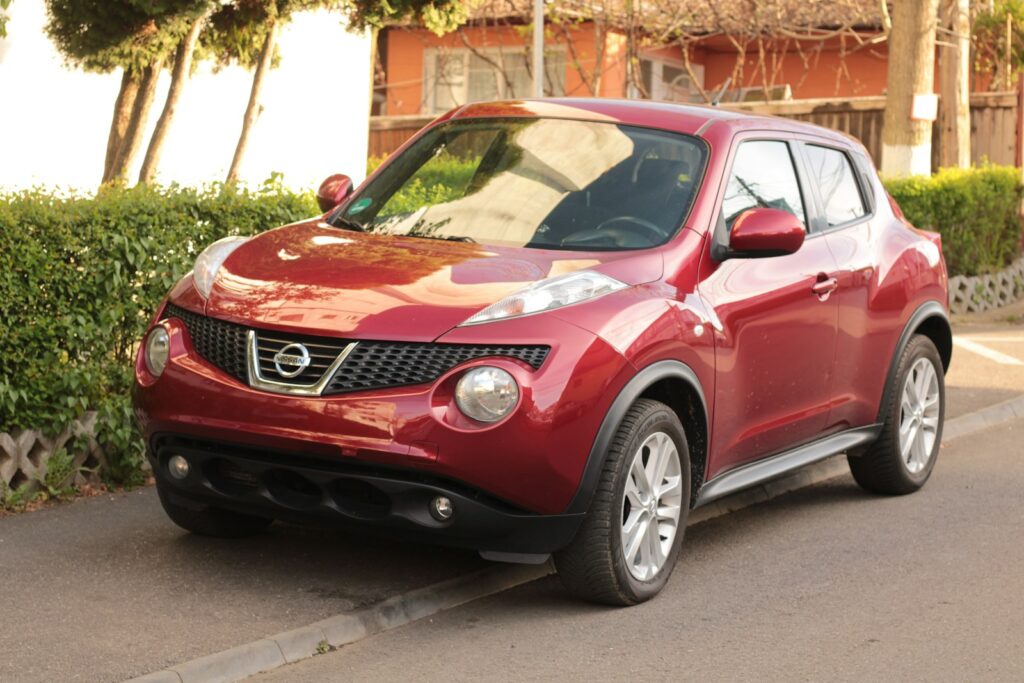
Nissan Juke
The original Juke’s polarizing styling, with bug-eyed headlights stacked above separate turn signals lower on the bumper, generated strong opinions from the moment it launched, and that divide never really closed. Critics considered it an awkward, form-over-function crossover that sacrificed cargo space and rear visibility for a design that aged poorly. Its fans, meanwhile, point to genuinely engaging handling for a small crossover and a turbocharged engine that made it more fun to drive than most of its segment. The Juke remains a useful test case for how much a vehicle’s driving character can, or can’t, make up for styling that a large share of shoppers simply never warmed up to.
Fiat Multipla
Rare in the American market but a genuine touchstone of automotive design debate internationally, the Multipla’s double-decker headlight arrangement and bulbous, unconventional proportions made it one of the most divisive-looking vehicles ever put into mass production. Design critics have alternated between calling it hideous and calling it a genuinely brave, functional piece of packaging that delivered unmatched interior space and visibility for its footprint through an unusual six-seat, two-row layout. Decades after its debut, design writers and owners still argue over whether the Multipla was ugly or simply ahead of its time, and the fact that the argument has outlasted the car’s own production run says something about how memorable the gamble actually was.