

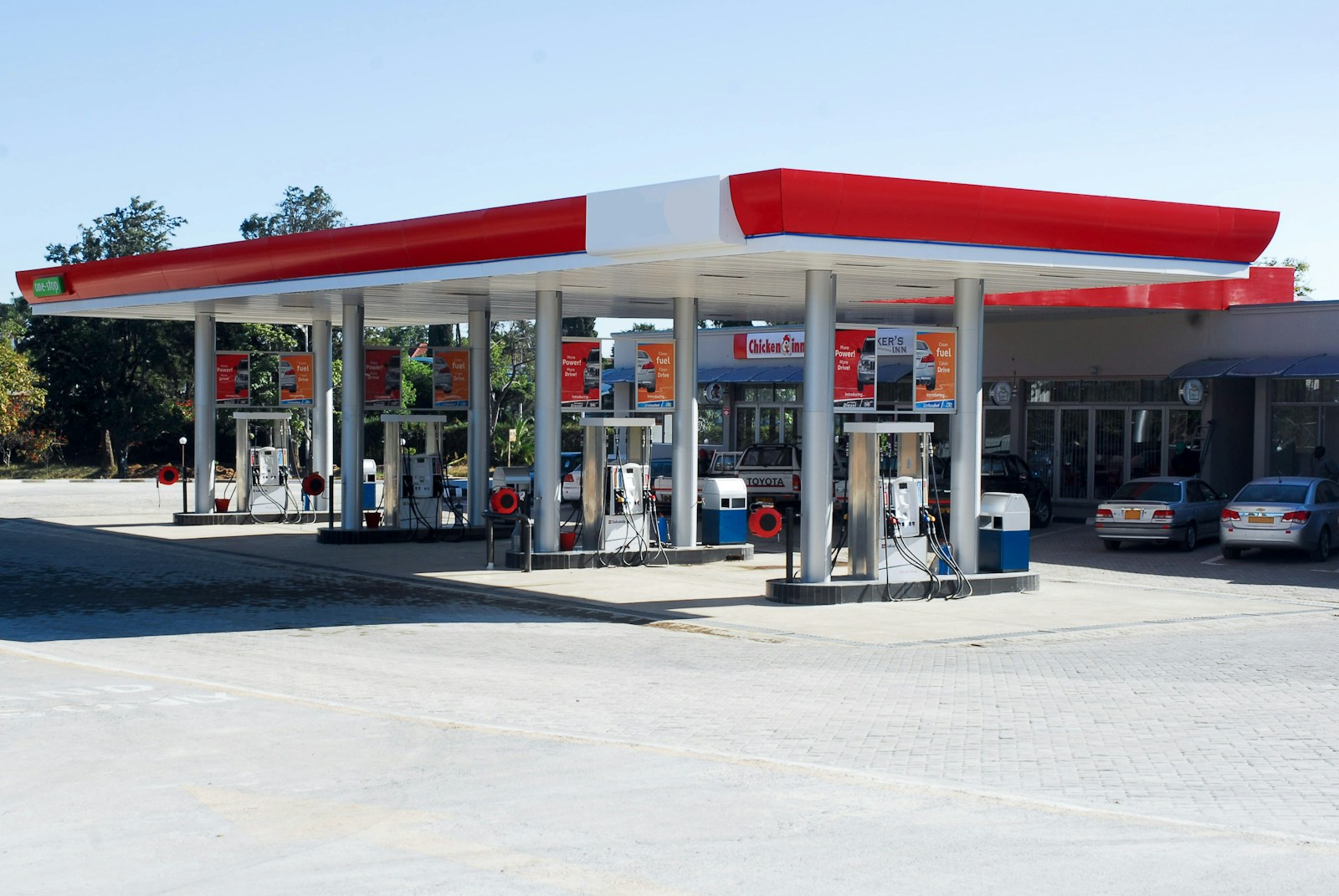
You don’t usually “choose” a gas station so much as you end up at one. You’re low on fuel, you’re running late, and the nearest sign with a price on it suddenly looks like a lifesaver. And most of the time, it is.
But every driver has a story: the pump that wouldn’t stop clicking, the card reader that ate their info, the sketchy bathroom that made them reconsider hydration as a concept. The tricky part is that the warning signs are often subtle—until you’re dealing with a drained bank account, a damaged car, or a very bad day.
1) The pumps look neglected (and so does everything else)
If the pump screens are cracked, the buttons stick, and the nozzle handle looks like it’s survived three apocalypses, that’s not just “old equipment.” It’s a clue about how seriously the station treats maintenance. Gas stations are high-wear environments, sure—but there’s a difference between worn and ignored.
Neglected pumps can mean leaky seals, failing shut-off valves, and inaccurate flow components. You might end up with fuel splashing back, vapor recovery not working correctly, or a pump that behaves unpredictably. If the whole place looks like nobody’s been responsible for it in a while, trust that vibe.
2) The card reader is “out of order”… conveniently
A broken card reader once in a while happens. But if multiple pumps have taped-over card slots, or the screen keeps prompting you to “see cashier” when it shouldn’t, pause. Sometimes it’s just aging hardware, and sometimes it’s a setup that pushes more people inside—where impulse buys live.
The bigger worry is skimming. Tampered readers can be subtle: a loose faceplate, an oddly bulky overlay, or a keypad that feels different than usual. If anything looks misaligned or “off,” pay inside using tap-to-pay if available, or use a credit card (not debit) for better fraud protections.
3) The station’s price is weirdly low—like, suspiciously low
Everyone loves a deal, and gas prices can vary a lot by neighborhood, brand, and competition. But when one station is dramatically cheaper than every other sign within a mile, it’s worth asking why. Sometimes it’s a legitimate promo or a new station trying to win customers.
Other times, it can hint at lower turnover fuel, questionable sourcing, or corners being cut somewhere else—like tank maintenance or filtration. Cheap gas isn’t automatically bad gas, but “too good to be true” is a phrase for a reason. If the price makes you squint, consider spending a few cents more across the street.
4) The pump keeps clicking off (or the flow feels erratic)
You squeeze the handle, it runs for two seconds, then click—stops. You try again, and it repeats like a tiny, annoying game show buzzer. This can happen when vapor recovery systems are finicky, when the nozzle sensor is acting up, or when fuel flow is restricted.
Sometimes it’s your car’s filler neck angle or the nozzle position—so try adjusting the nozzle slightly or slowing the flow. But if multiple people are having the same problem, or the pump sounds like it’s struggling, move to another pump or another station. Erratic pumping can lead to spills, and spilled fuel isn’t just messy—it’s a fire hazard and can damage paint.
5) You notice strong fuel odors, puddles, or stained concrete near the pumps
Gas stations are always going to smell a little like gas. That’s the deal. But there’s a difference between a faint odor and a “wow, that’s intense” cloud that makes you wonder if you should be wearing a hazmat suit.
Look down: fresh-looking puddles, rainbow sheens, or heavily stained areas around one pump can signal repeated leaks or spills that aren’t being handled well. Besides being unsafe, leaks can indicate failing equipment. If you’re smelling strong fumes or seeing active leakage, it’s not worth hanging around—leave and report it to the attendant.
6) The receipt printer is always “broken” (and the transaction feels odd)
This one sounds small until it isn’t. Receipt printers do break, sure—but if a station never has paper, never prints, and always has some excuse, it can make it harder to dispute charges later. And if you’re dealing with a skimmer situation, not having a receipt isn’t doing you any favors.
Also pay attention to the transaction itself. If the pump resets, glitches, or shows confusing prompts (especially around debit entry), stop and cancel if you can. Snap a quick photo of the pump number and the price per gallon sign if something feels off—annoying, yes, but it’s a lot less annoying than fighting a mystery charge.
What to do if you spot a red flag (without making it a whole drama)
You don’t have to turn every fill-up into an investigation. A simple rule works: if your gut says “nah,” listen. Move to a different pump, pick a different station, or pay inside with a method that gives you protections.
If you think you’ve been skimmed, don’t wait. Call your bank/card issuer, freeze or replace the card, and monitor transactions closely for the next couple of weeks. And if you suspect a safety issue—like an active leak—leave the area and tell the station staff; if it seems serious, contacting local authorities or the local fire marshal isn’t overreacting.
The bottom line
Most gas stations are perfectly fine, and most stops are uneventful in the best way. But the stations that cause problems tend to broadcast it with little signals—neglect, weird payment behavior, strong fumes, or equipment that just doesn’t feel right. The trick is noticing those signals before you’re stuck with a compromised card or a car that’s running rough.
So next time you pull in on autopilot, take five seconds to scan the scene. If it looks sketchy, acts sketchy, or smells sketchy… you’re allowed to be sketchy right back and drive to the next one.