

Most of us like to think we’re “good drivers,” which usually means we’re not street racing or blowing through red lights with a latte in hand. But traffic stops don’t always start with the big, dramatic stuff. More often, they’re triggered by tiny violations that are easy to dismiss—until a patrol car is behind you and suddenly you’re remembering every rule you ever learned in driver’s ed.
Officers have discretion, sure, and plenty of them would rather spend their day doing something other than writing a ticket for something minor. Still, there are a handful of “small” violations that tend to get attention because they’re visible, easy to prove, and sometimes tied to safety issues or bigger problems. Here are six that officers rarely ignore—and how to keep them from turning your Tuesday commute into a story you retell for months.
1) A Broken Headlight or Taillight
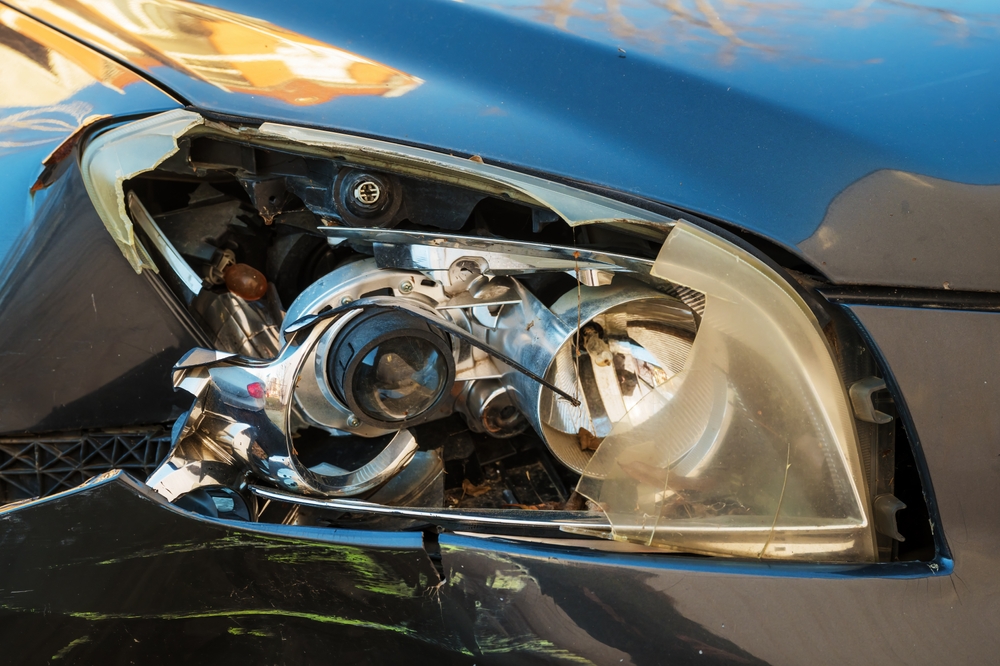
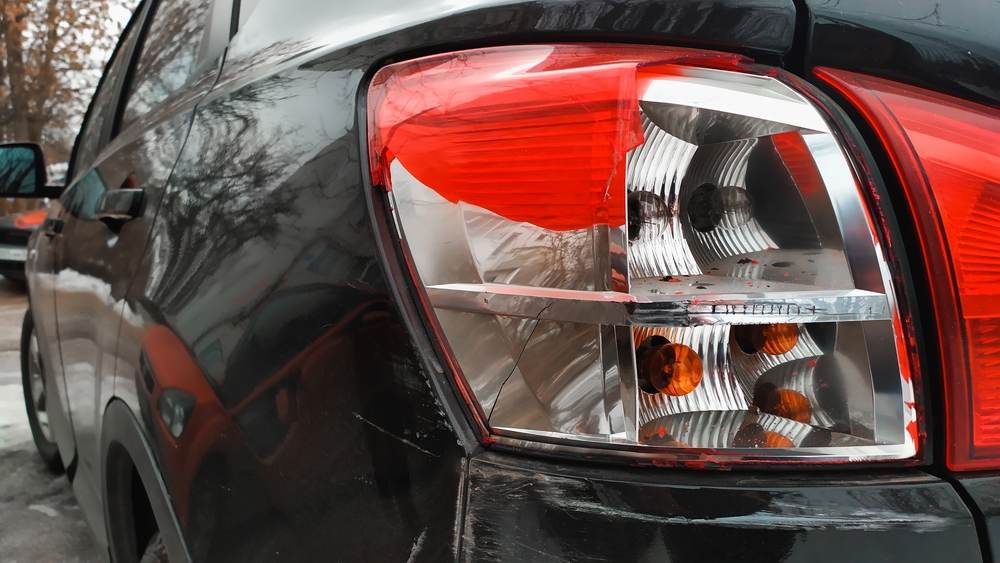
This one feels unfair because it’s often not intentional. A bulb goes out, you don’t notice, and suddenly you’re getting pulled over like you’ve committed a crime against electricity. But from an officer’s perspective, broken lights are simple: they’re obvious, they’re a safety hazard, and they’re one of the clearest legal reasons to initiate a stop.
There’s also a practical angle here—stops for equipment issues sometimes reveal impaired driving, suspended licenses, or stolen vehicles. That doesn’t mean officers assume you’re up to something, but it does explain why “just a light” can be treated seriously. A quick walk-around every couple weeks (or anytime you notice weird reflections on the car in front of you) can save you the hassle.
2) An Expired Registration (or Missing Tags)
Expired tags are like leaving your house with toothpaste on your face: you might not notice, but everyone else can. Officers see tags constantly, and many cruisers have plate readers that flag expired registration automatically. Even if you’re only a month overdue, it’s the kind of thing that’s hard for them to “unsee.”
It’s also one of those violations that can spiral. In some places, driving with expired registration can lead to fines, citations that require proof of correction, or even towing if other issues pile on. The easy fix is setting calendar reminders—one a month before, one a week before—because future-you will absolutely forget.
3) Not Wearing a Seat Belt (Yes, Even on Short Drives)
Seat belt enforcement is a classic “small violation, big consequences” situation. Officers tend to take it seriously because the data is so blunt: seat belts reduce injury and death, and unbelted crashes are messier for everyone involved. Also, it’s usually visible—especially in daylight, at intersections, and when you’re turning your head.
In many states, seat belt laws are “primary enforcement,” meaning an officer can pull you over just for that. And here’s the annoying part: a lot of people unbuckle while pulling into a parking lot or rolling through the last block home. If you’re still moving, they’re still watching.
4) Texting or Holding Your Phone While Driving
This one has shifted a lot in the last decade. What used to get a warning now often gets a ticket, partly because distracted driving has become such a major crash factor. If an officer sees you looking down repeatedly, drifting within your lane, or holding a phone at chest level like you’re “definitely not texting,” it stands out.
Even hands-free laws can trip people up. Some places prohibit holding the phone at all, even if you swear you were only changing a song or checking directions. If you need your phone, mount it, set your route before you drive, and use voice controls—because “I was just…” is basically the national anthem of distracted driving stops.
5) Rolling Through a Stop Sign (a “California Stop”)
Almost everybody has done it: you slow down, look around, and glide through like you’re negotiating with physics. The problem is that the law usually requires a full stop—wheels not moving—at the stop line or before entering the crosswalk. Officers rarely ignore this because it’s easy to spot and it’s a common cause of neighborhood crashes involving pedestrians, cyclists, and other cars.
It’s also a favorite enforcement area near schools and residential zones, where a “pretty good stop” still isn’t good enough. If you want the simplest rule: stop like you’re trying to let your coffee settle. One full beat, then go.
6) Speeding “Just a Little” (Especially in Certain Zones)
Speeding is the classic example of something that feels minor until you realize how it looks from outside your car. Officers often have limited patience for “only 8 over,” especially if traffic is heavy, weather is bad, or you’re in an area where speeding causes frequent collisions. And in school zones, construction zones, and residential streets, even small increases in speed can dramatically raise risk.
There’s also the reality that “the flow of traffic” isn’t a legal defense in most places. If everyone is speeding, everyone is technically eligible for a stop, and an officer will pick one car. If you’re trying not to be that car, the most reliable strategy is boring: cruise control where it makes sense, and extra caution in any zone with kids, cones, or tight visibility.
Why These Little Things Get Big Attention
A pattern pops up with all six violations: they’re visible and straightforward to enforce. Officers don’t need a long investigation to confirm a taillight is out or a stop sign was rolled. And because these issues can be linked to serious crashes (or reveal other legal problems), they sit high on the “worth addressing” list.
Another honest factor is that small violations are often used as a lawful reason to stop a vehicle when something else seems off. That doesn’t mean you should feel paranoid, but it does mean the tiny stuff matters more than people think. Staying on top of basics makes you less likely to get pulled over in the first place—and that’s a win no matter how you feel about traffic enforcement.
A Quick, Low-Stress Way to Avoid Most of This
If you want an easy routine, try this: once a month, check lights, registration/insurance dates, and tire pressure, and give your car a 60-second look-over. While driving, treat stop signs like they’re being graded, and keep your phone out of reach unless it’s mounted. It’s not about driving like a robot—it’s about avoiding the handful of mistakes that tend to attract a patrol car’s attention.
Because the truth is, most stops aren’t personal. They’re often just the intersection of a small violation and an officer who can’t ignore it. And if you can skip that intersection entirely, your day stays yours.
More from Steel Horse Rides: