
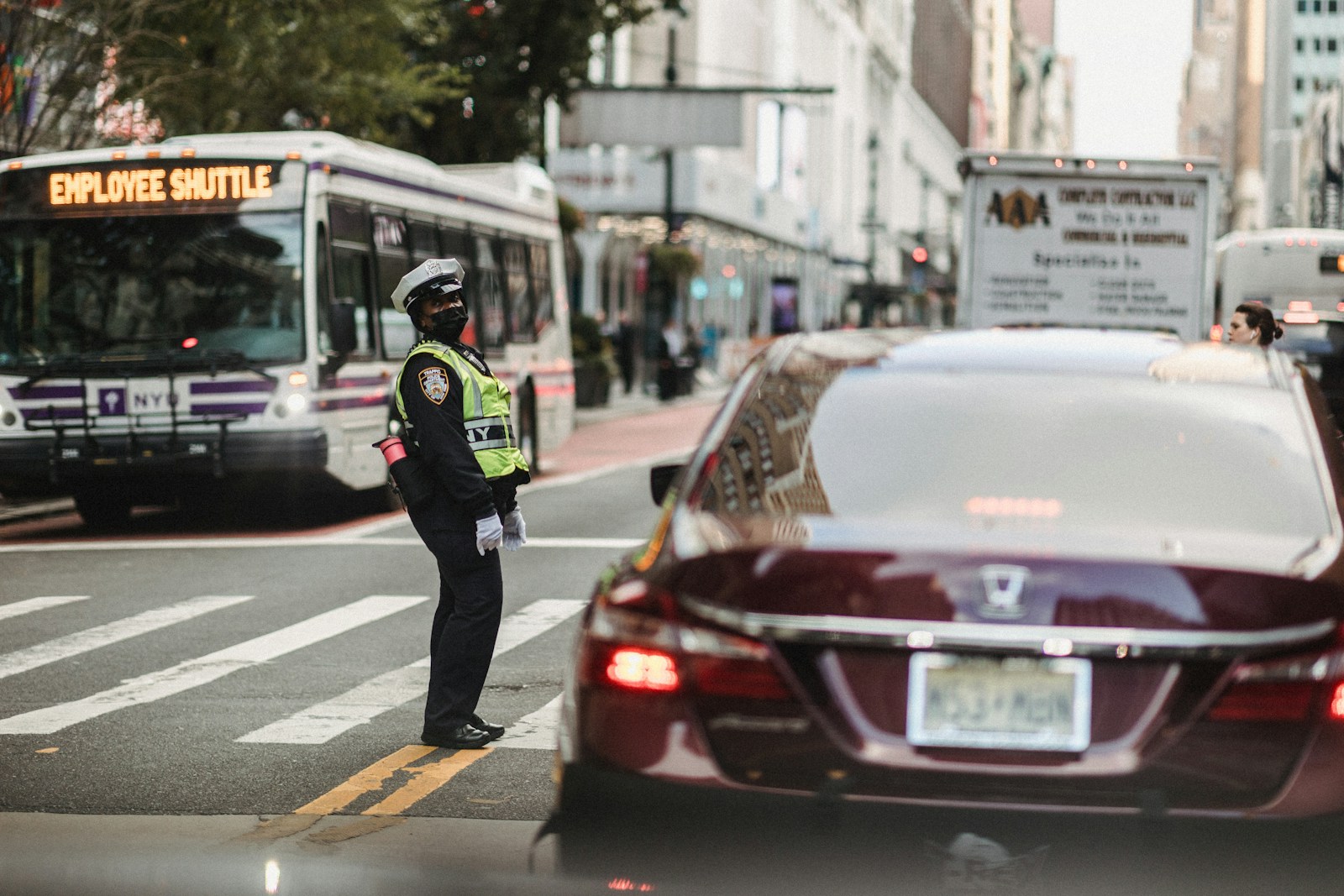

Most traffic stops start pretty simple: an officer pulls you over, explains why, checks your license and registration, and you’re on your way. But sometimes a stop that could’ve been a two-minute “hey, slow down” turns into a longer conversation with a lot more questions than you expected. Not because the officer woke up and chose chaos—usually because something about the interaction raises their curiosity (or their concern).
Here are six common things drivers do that tend to make officers probe a little deeper, plus why it happens and what to do instead. Think of it as the conversational equivalent of not waving a lit sparkler near a gas can.
1) You’re overly chatty—or oddly silent
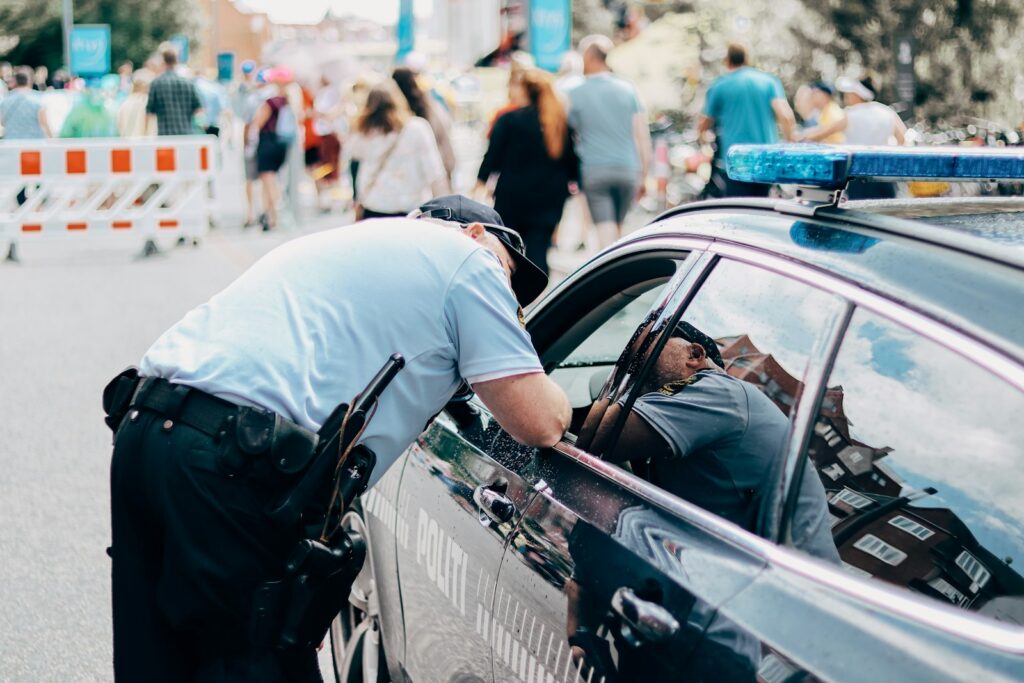
There’s a sweet spot in a traffic stop: polite, responsive, and brief. When someone starts narrating their entire life story (“So I was coming from my cousin’s, and his neighbor’s dog was—”), it can come off like nervous overcompensation. On the flip side, total stonewall silence can feel unusual too, especially if you won’t answer basic, non-incriminating questions like confirming your name.
Officers are trained to read behavior, and extremes—either talk-a-thon or statue mode—often prompt follow-up questions. The easy move is to keep it calm and simple: answer what’s asked, don’t volunteer a bunch of extra details, and let the stop stay boring.
2) You rummage around like you’re searching for buried treasure
Few things spike tension faster than a driver leaning, twisting, digging through bags, or reaching under seats while the officer is walking up. Even if you’re just hunting for your insurance card in that glove box that doubles as a junk drawer, it can look suspicious or unsafe. And “unsafe” is a word that reliably leads to more questions.
If you need to grab something, say it first: “My registration is in the glove box—okay if I reach for it?” Keep your hands visible when you can, and move slowly. It’s not about being dramatic; it’s about not accidentally sending the wrong signal.
3) Your story doesn’t match what the officer is seeing
Officers ask a few routine questions partly to confirm basic facts: where you’re coming from, where you’re headed, and sometimes why you’re in that area. When answers don’t line up with the obvious (like you say you’re coming from a nearby grocery store but your trunk is stacked with moving boxes), it can trigger more probing. It doesn’t mean you’re “caught”—it just means the situation now feels unclear.
Another common mismatch is timeline weirdness: vague answers, shifting details, or a story that changes after a follow-up question. If the truth is simple, keep it simple. “I’m heading home from work” beats a complicated explanation that you’ll accidentally trip over.
4) You act offended by normal questions
It’s understandable to feel irritated during a stop—nobody gets pulled over and thinks, “Ah yes, my favorite hobby.” But if you respond to routine questions with sarcasm, hostility, or “Why do you need to know that?” it often prolongs the interaction. Not because officers want an argument, but because the temperature of the stop just went up, and they’ll try to figure out why.
A little emotional self-control goes a long way here. You can be firm and still calm: “I’d rather not answer that,” or “Is there a reason you’re asking?” is very different from snapping. The goal is to keep the stop from turning into a whole performance.
5) You “pre-confess” to things that weren’t even asked
Some drivers, in an effort to seem honest, start blurting out extra information: “Just so you know, I only had two beers,” or “There’s nothing in the car—well, except a little weed from last week.” Even if you think you’re being transparent, you’re also introducing new topics the officer can’t ignore. That’s a fast track to more questions, and possibly additional steps in the stop.
This is one of those moments where less is more. You can be polite without volunteering anything that expands the scope of the conversation. Answer what’s asked, provide the required documents, and let the reason for the stop stay the reason for the stop.
6) Your car gives off “something’s not right” signals
Sometimes it’s not you—it’s your vehicle. Strong odors (alcohol, marijuana, or even heavy air freshener), a broken taillight paired with a taped-on temporary tag, tinted windows so dark they look like a celebrity limo, or a windshield full of cracks can all make an officer take a closer look. Not every issue is a big deal, but a cluster of little things can raise eyebrows.
And yes, the “I just bought it yesterday” line is so common it should come with a loyalty card. If your car has obvious equipment problems, fix them when you can. Boring, legal-looking cars tend to inspire boring, quick stops—there’s real beauty in that.
So what should you do instead?
Keep your hands visible, your movements slow, and your answers straightforward. Have your license, registration, and insurance easy to reach so you’re not doing the glove-box shuffle. And if you’re nervous, that’s fine—most people are—but try to keep your nervousness from turning into extra words, extra gestures, or extra attitude.
One more thing: you always have the right to be respectful and cautious with what you share. If you’re unsure how to respond to something that feels beyond the original stop, it’s okay to ask, calmly, “Am I being detained, or am I free to go?” That question alone can clarify the situation without escalating it.
Most officers aren’t looking to turn every stop into an interrogation. But they are looking for consistency, safety, and clear communication. If you can help provide those three things, you’ll usually get the best possible outcome: a short conversation, a clear resolution, and getting back to your day with minimal drama.
More from Steel Horse Rides: