
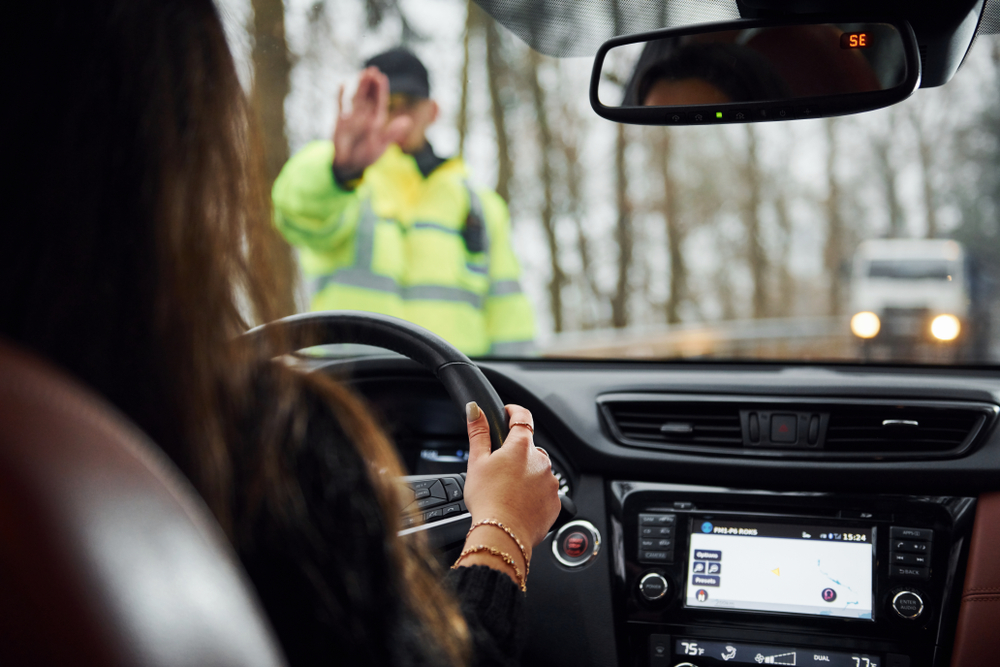

Getting pulled over is one of those life moments that instantly makes your heart beat louder than your turn signal. Even if you know you weren’t doing anything wild, the flashing lights can make you feel like you’ve been cast in a crime show you never auditioned for. The good news is most traffic stops are routine, and officers are usually hoping for the same thing you are: a quick, calm interaction that ends safely.
So what do officers actually expect from you in those few minutes on the shoulder? Not perfection, not mind-reading, and definitely not a TED Talk about why you “totally weren’t speeding.” Mostly, they’re looking for clear, predictable behavior that keeps everyone safe.
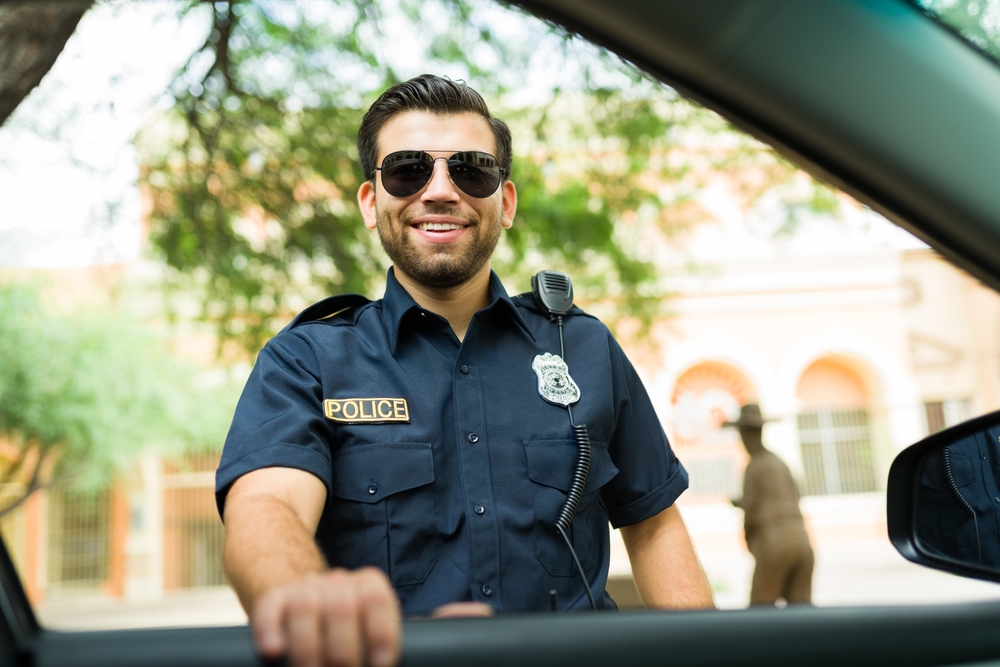
1) Pull over promptly—and pick a safe spot
When you notice the lights, officers expect you to acknowledge them and start looking for a safe place to stop. That means signaling, slowing down, and moving to the right shoulder or another well-lit, low-traffic area if possible. If you’re on a narrow shoulder or a busy highway, it’s okay to continue slowly to the next safe turnout, parking lot, or wider shoulder.
What they don’t love is uncertainty—like braking hard in the middle of a lane or drifting around as if you’re debating whether this is really happening. If it’s dark, turning on your hazard lights can help communicate, “I see you, I’m stopping, I’m just trying to do it safely.” That small bit of clarity can lower everyone’s stress level immediately.
2) Stay in the car (unless you’re told otherwise)
In most situations, officers expect you to remain inside your vehicle once you’ve stopped. Getting out—even with totally innocent intentions—can read as unpredictable or risky, and it forces the officer to adjust fast. They’d rather you stay put and let them control the approach.
There are exceptions, like if an officer specifically asks you to step out, or if there’s an immediate safety issue (smoke, a medical emergency, that sort of thing). But as a general rule: seatbelt off is fine, door closed is better. Think “calm, stationary, boring,” because boring is safe.
3) Keep your hands visible and your movements slow
This is a big one. Officers are trained to watch hands, because hands can do things faster than voices can explain them. The easiest move? Put both hands on the steering wheel where they can be seen, and keep them there unless you’re asked to do something else.
If it’s nighttime, turning on your interior light can help, too—it’s a small courtesy that makes the situation feel less tense. And if you need to reach for something, don’t just start rummaging around like you dropped a winning lottery ticket under the seat. Tell the officer what you’re about to do first: “My registration’s in the glove box—okay if I grab it?”
4) Have your license, registration, and insurance ready—without the frantic scavenger hunt
Yes, officers expect you to provide the standard documents when asked. But they also expect you not to turn your car into a one-person escape room trying to find them. If you know where your documents are, great—retrieve them calmly when requested.
If you don’t know where they are, or you keep them in a spot that requires extra movement (glove box, center console, bag on the passenger floor), just narrate what you’re doing. It sounds almost silly, but it’s genuinely helpful: “My insurance card is on my phone,” or “It might be in the glove box; I’m going to open it slowly.” Clear communication beats speed every time.
5) Be polite, straightforward, and don’t argue on the roadside
You don’t have to be overly cheerful, and you definitely don’t have to pretend you’re having the time of your life. But officers do expect basic respect and cooperation—simple greetings, calm answers, and a steady tone. If they ask if you know why you were stopped, it’s okay to say you’re not sure, or to answer honestly without spiraling into a full courtroom closing argument.
If you think the stop is unfair, the roadside isn’t the best place to litigate it. Officers are focused on safety and procedure, not debating. You can ask questions—politely—like “Could you tell me what speed you got me at?” but saving the bigger dispute for later usually keeps the encounter smoother for everyone.
6) Follow instructions, and ask for clarity if you’re confused
Most traffic stops follow a familiar script, but officers may give specific directions: turn off the engine, hand over documents, step out, or wait while they run your information. They expect you to follow those instructions, and they expect you to do it without sudden movements or surprises. If something isn’t clear, it’s completely okay to ask—just do it calmly.
Say the officer tells you to reach into the glove box, and your glove box is jammed and requires an aggressive yank. Mention that before you do it. Or if you’re nervous and your brain is buffering, you can simply say, “I’m a little anxious—can you repeat that?” Clear communication is not only allowed; it’s often appreciated.
A few small things that can make the whole stop feel easier
Turn down your music. Roll your window down enough to talk comfortably (usually all the way is fine), and avoid digging around in your car before the officer gets to your window. If you have passengers, it helps if they stay calm and quiet, too—no sudden reaching, no shouting explanations from the back seat.
And if you’re carrying anything that might alarm someone if it’s suddenly spotted—like a baseball bat, a big tool, or something tucked next to your seat—don’t make a dramatic announcement. Just keep your hands visible and respond if asked. The goal is to make the scene predictable.
The bottom line: make it safe, make it simple, make it quick
Officers aren’t expecting you to be flawless; they’re expecting you to be steady. Safe stop, visible hands, calm communication, and cooperative behavior go a long way toward keeping the interaction short and uneventful. And honestly, uneventful is the best kind of traffic stop—right up there with the kind where you realize the flashing lights were for the car behind you.
If you take one thing from all this, let it be this: slow down your body language. When your movements are calm and your words are clear, you’re making it easier for the officer to do their job—and you’re making it more likely you’ll be back on your way with your pulse returning to normal.
More from Steel Horse Rides: