

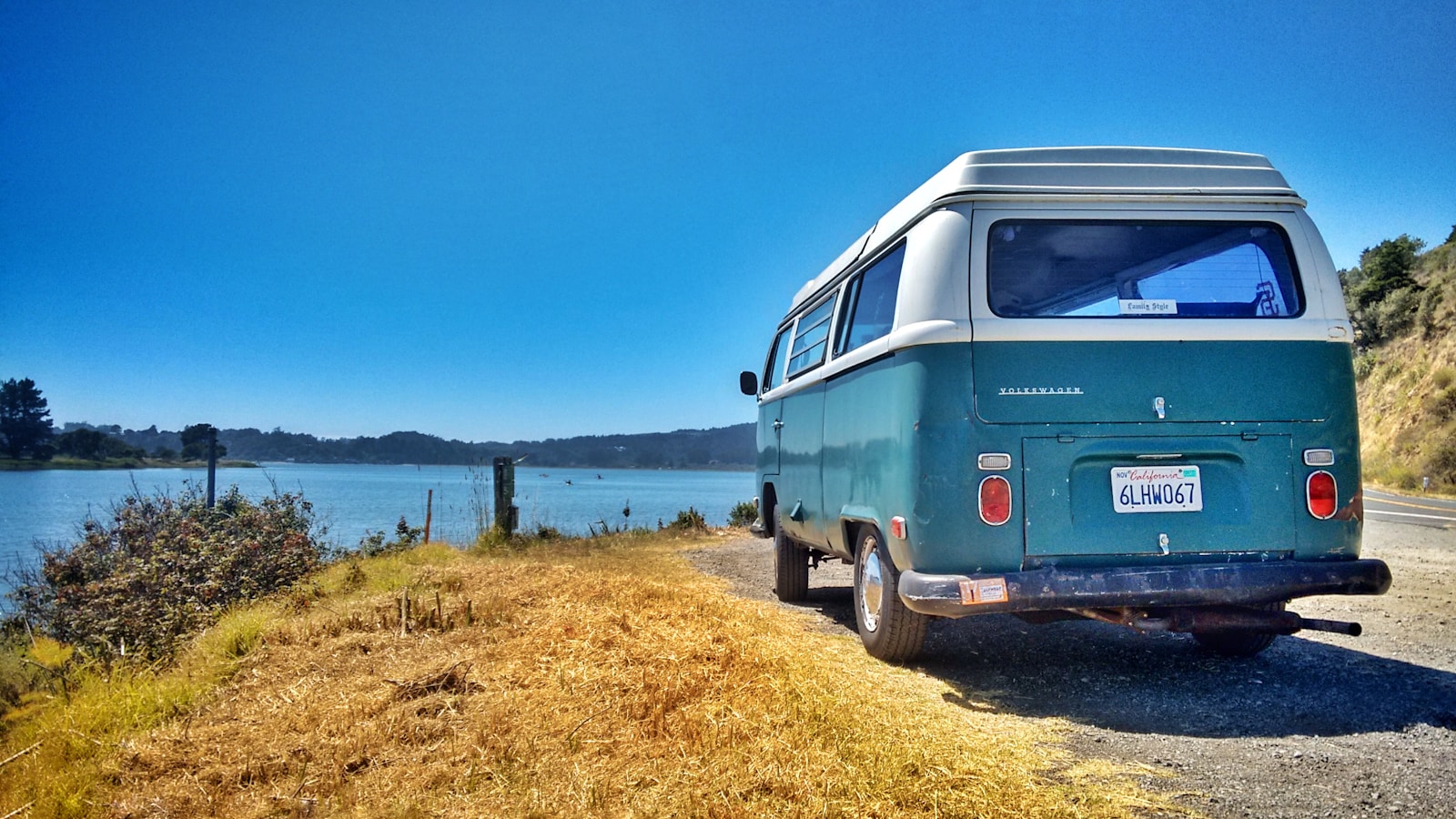
During the 1970s, Baby Boomers embarked on cross-country journeys in various vehicles, shaping the American road trip culture. These vehicles were more than just modes of transportation; they symbolized freedom and adventure during a transformative era. Understanding the vehicles that defined this decade provides insight into the driving experiences of a generation that influenced automotive trends and road travel.
1. Volkswagen Type 2 Microbus (1968-1979)
The Volkswagen Type 2 Microbus, often affectionately known as the “VW Bus,” was a favorite among Baby Boomers for its spacious interior and iconic design. With seating for up to nine passengers, it became the quintessential vehicle for family vacations and group travels. The Microbus also served as a symbol of the counterculture movement, making it a popular choice for those seeking adventure on the open road.
2. Ford Pinto (1971-1980)
The Ford Pinto was an affordable compact car that gained popularity due to its low price point, typically under $2,000, and fuel efficiency. Advertised as a vehicle that could get up to 30 miles per gallon, the Pinto appealed to budget-conscious Boomers looking to travel across the country without breaking the bank. Despite its controversial safety record, it became a common sight on highways throughout the decade.
3. Chevrolet Impala (1971-1976)
The Chevrolet Impala was a full-size sedan that epitomized American car culture in the 1970s. With its spacious interior and smooth ride, it was a popular choice for families embarking on long road trips. The Impala’s reputation for reliability and comfort allowed it to remain a staple on American highways, with over 600,000 units sold in 1975 alone.
4. Dodge Tradesman Van (1971-1979)
The Dodge Tradesman Van was a versatile vehicle that catered to families and adventure seekers alike. With ample cargo space and customizable interiors, it became a popular choice for those looking to travel cross-country with all their gear. The van’s design allowed for easy modifications, making it a favorite for road trips and camping excursions during the era.
5. AMC Gremlin (1970-1978)
The AMC Gremlin was one of the first subcompact cars in the United States and gained a reputation for its quirky design and affordability. Priced around $1,900, the Gremlin appealed to young Boomers and college students seeking a budget-friendly vehicle for cross-country travel. Despite its small size, it was surprisingly spacious inside, making it a practical choice for those on a budget.
6. Jeep Wagoneer (1963-1991)
The Jeep Wagoneer was a pioneering vehicle in the SUV category, offering the ability to traverse rugged terrain while still providing comfort for long trips. Its strong build and four-wheel-drive capabilities made it a favored choice for families who enjoyed camping or off-road adventures. The Wagoneer’s luxurious features, combined with its durability, attracted affluent Boomers looking for a versatile vehicle.
Conclusion: Reflecting on a Decade of Travel
These six vehicles represent a snapshot of the automotive landscape during the 1970s, illustrating the diverse needs and preferences of Baby Boomers hitting the road. From the spacious VW Microbus to the rugged Jeep Wagoneer, each vehicle played a significant role in shaping cross-country travel experiences. As nostalgia for the open road continues to resonate with new generations, these classic vehicles serve as a reminder of the freedom and adventure that defined an era.
For readers interested in exploring the legacy of these vehicles, consider visiting local car shows or classic car exhibitions. Whether you’re a Baby Boomer reminiscing about past travels or a younger generation intrigued by vintage cars, the stories and experiences associated with these vehicles are sure to inspire. Don’t miss the chance to connect with the rich history of American road travel.