

An oil filter doesn’t get much attention until it fails, which is exactly why it’s worth a few minutes of research before your next oil change. Filter media, anti-drainback valves, and bypass valve quality vary more between brands than most drivers assume, even among filters that fit the same application.
The good news is that several well-established brands have decades of OEM and aftermarket supply history behind them. Here are seven oil filter brands worth considering the next time you’re standing in the parts aisle.
Fram Tough Guard / Extra Guard
Fram is one of the most recognizable names in oil filters, with a retail presence going back generations, and its Tough Guard and Extra Guard lines are aimed at standard passenger-vehicle oil-change intervals. Fram has faced its share of internet debate over the years regarding filter media quality on its most basic Extra Guard line, which is worth knowing before you buy — the brand’s higher Tough Guard and Ultra Synthetic tiers use different filter media and are positioned for longer service intervals. For a driver following a factory-recommended 5,000-mile interval with conventional or blended oil, Fram’s mainstream lines are widely available at nearly every auto parts store and big-box retailer, which counts for something when you’re doing a quick DIY change on a weekend and don’t want to special-order a filter.
WIX Filters
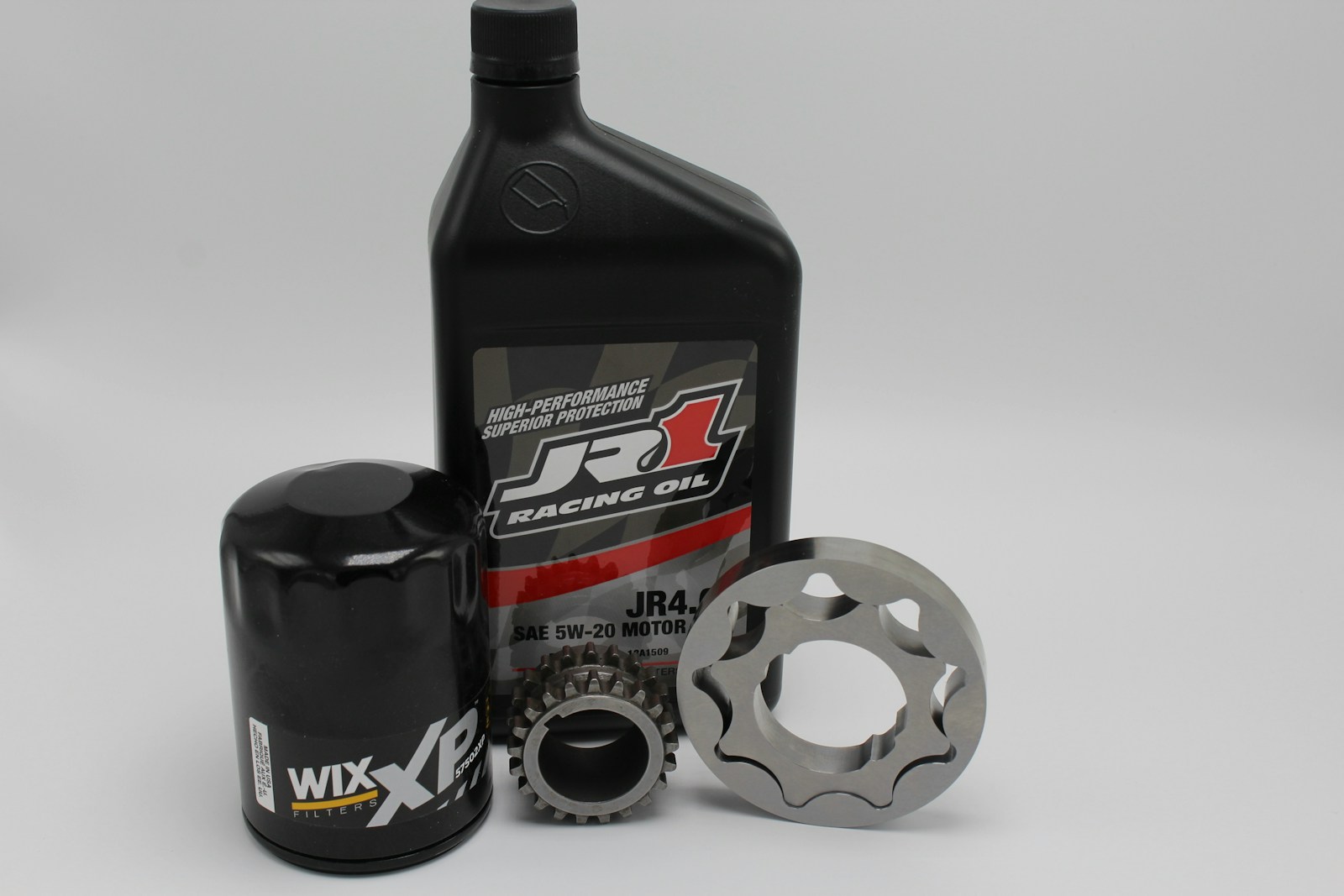
WIX has built its reputation primarily as an OEM and heavy-duty supplier, manufacturing filters used across passenger vehicles, commercial trucks, and industrial equipment, which gives the brand a different pedigree than a purely retail-focused filter line. WIX filters are commonly recommended in enthusiast and mechanic communities for their filter media and construction quality relative to price, and the brand’s heavy-duty background means its passenger car filters are built on the same manufacturing standards used for commercial applications. WIX is also the manufacturer behind several store-brand and NAPA Gold filters, so checking the box for a WIX-adjacent part number is a common way shoppers find comparable quality under a different label at a different price point.
Purolator
Purolator has a long-standing role as an OEM supplier, and the brand’s Classic and Boss/PureONE lines span the same budget-to-premium range as most other filter makers, with the higher tiers using synthetic filter media rated for extended intervals. Purolator has supplied filters to major automakers for factory fill applications over the years, which is often cited as a mark of manufacturing consistency, since OEM supply contracts typically come with stricter quality control requirements than purely aftermarket retail products. For drivers who want a filter with OEM-level provenance without paying dealership parts-counter prices, Purolator sits in a similar tier to WIX and Bosch, and it’s broadly available at major auto parts retailers and big-box stores.
Bosch
Bosch’s automotive parts division, best known for fuel injection and ignition components, also makes oil filters under its own name, including the Premium FILTECH line built around synthetic-blend filter media. Bosch’s broader reputation in precision automotive engineering carries over into how the brand positions its filters, emphasizing consistent flow rate and filtration efficiency testing. Bosch filters tend to be priced closer to the premium end of the mainstream range rather than the rock-bottom budget tier, which fits the brand’s overall positioning across its parts catalog. For import vehicle owners in particular, Bosch’s name recognition as a supplier to European automakers can be a reassuring factor, even though the filters themselves are manufactured to fit a broad range of domestic and import applications.
ACDelco
ACDelco is General Motors’ OEM parts brand, and its oil filters are the factory-specified part for a large share of GM vehicles, which makes it a common default choice for Chevrolet, GMC, Buick, and Cadillac owners who want to match what came on the vehicle originally. ACDelco offers both a standard Professional line and a Gold/PF line pitched at OE-equivalent quality, giving buyers a tiered choice similar to other major filter brands. Because ACDelco’s filters are engineered against GM’s own specifications, they’re a straightforward no-guesswork option for GM owners, and the brand’s filters are also compatible with many other makes, sold widely at auto parts retailers well beyond GM dealership parts counters.
Mobil 1
Mobil 1’s extended-performance oil filters are designed to be paired with the brand’s own full-synthetic motor oil for extended drain intervals, commonly marketed around 20,000 miles under specific conditions, using a synthetic-fiber filter media intended to hold up over that longer service life. Because Mobil 1 filters are engineered around the brand’s own extended-interval claims, they make the most sense for drivers who are actually running Mobil 1 synthetic oil on a longer interval, rather than a standard 3,000 to 5,000-mile conventional-oil schedule, where the extended-capacity design isn’t doing much extra work. For synthetic-oil users who want filter and oil from the same manufacturer with matched interval claims, Mobil 1 is one of the more straightforward pairings on the market.
K&N
K&N is better known for its performance air filters, but the company also makes oil filters, including versions with a built-in nut on the housing for easier removal with a wrench rather than an oil filter wrench, a small but genuinely useful design detail for DIY oil changers working in tight spaces. K&N’s oil filters use a blend of synthetic and cellulose filter media and are aimed at the same performance-oriented buyer who might already be running one of the brand’s air filters. They tend to be priced at the higher end of the mainstream filter market, which fits K&N’s overall positioning as an enthusiast brand rather than a budget commodity option, but the wrench-off design is a practical feature that’s earned it a loyal following among home mechanics.