

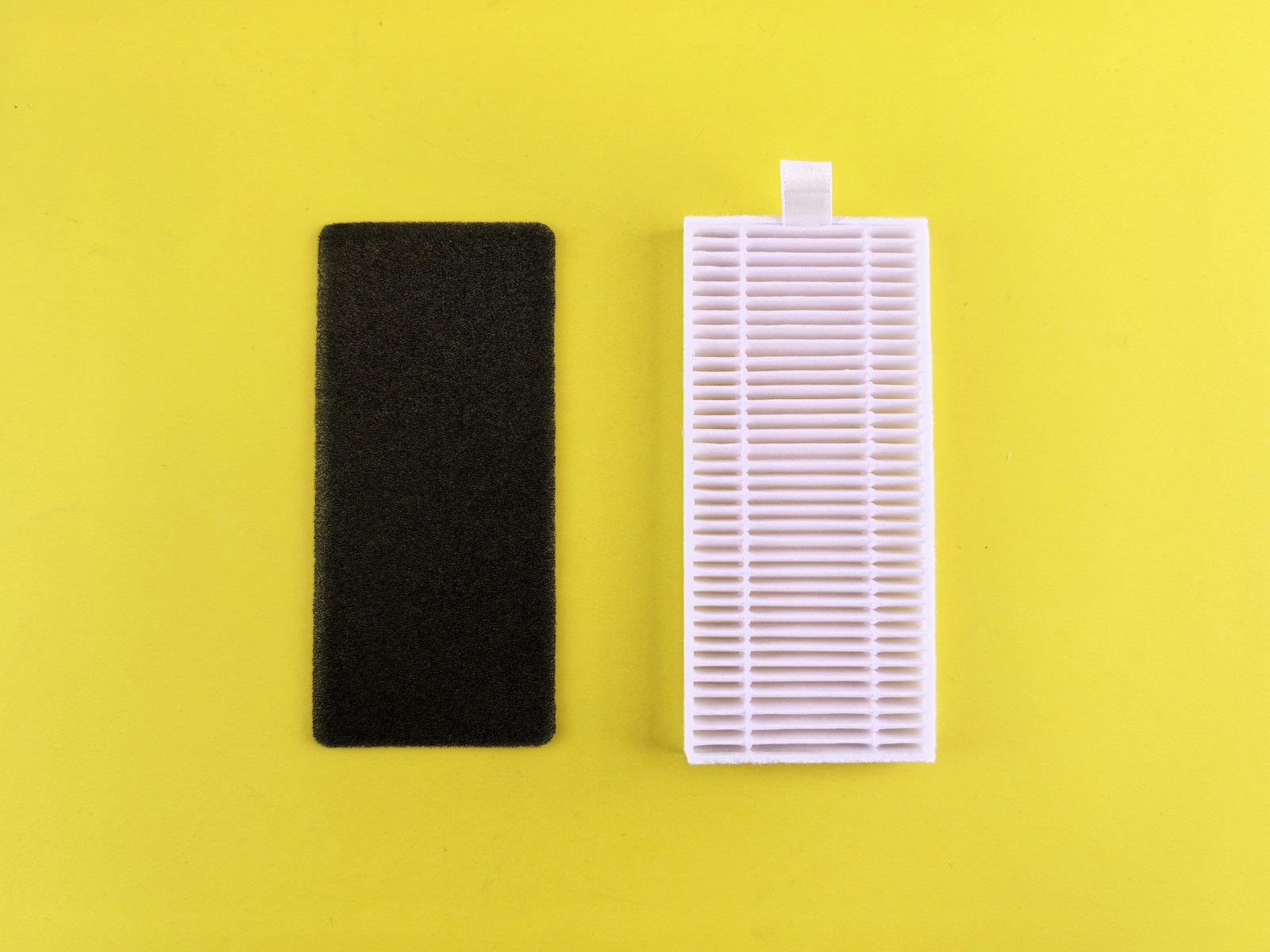
Cabin air filters have quietly become a premium category, with some charging significantly more for filters that claim HEPA-level filtration, activated carbon odor control, or antimicrobial coatings. Those claims sound impressive, but they’re not always backed by the kind of independent, standardized testing that would let a shopper compare one premium filter against another, or against a plain, inexpensive alternative.
Based on comparisons shared across sources like Filterbuy’s cabin air filter brand comparison and enthusiast forum discussions on BobIsTheOilGuy, here are seven claims and selling points where the premium price doesn’t always buy a proportionally better filter.
Filters Marketed as “HEPA” Without True HEPA Certification
HEPA has a specific meaning. The EPA’s definition describes a filter that can theoretically remove at least 99.97% of airborne particles 0.3 microns in size, which is the hardest size to trap; larger and smaller particles are caught at even higher rates. The automotive aftermarket doesn’t police the word the way medical and industrial suppliers do. Filterbuy’s guide points out that no independent body in the U.S. certifies cabin filter performance, so “HEPA” on a cabin filter box is only as good as the test data behind it. Read the wording closely. “HEPA-type,” “HEPA-style,” and “HEPA-like” are descriptions, not ratings. A percentage with no particle size attached, such as “captures 99% of dust,” tells you almost nothing, because nearly any filter stops large dust. What you want is the full statement: 99.97% at 0.3 microns, plus the test method or lab that produced it. If the maker can’t supply that, you’re paying a premium for a label.
Activated Carbon Filters With Unspecified Carbon Quantity
Activated carbon is the one cabin filter feature that does something a plain filter can’t. As Filterbuy’s guide puts it, only activated carbon addresses odors and gases, and particle efficiency does nothing for exhaust smell. How well it works depends on how much carbon is in the filter and how it is applied, and many makers don’t disclose either. Some filters carry a thick bed of carbon granules bonded between layers. Others are a standard pleated filter with a light gray dusting. Both get sold as “activated carbon technology.” Without a stated carbon weight, compare what you can: a carbon-heavy filter is noticeably heavier and darker than the particulate version for the same car, and the granules are visible in the pleats. Also be honest about your driving. If you sit in stop-and-go traffic behind diesel trucks, carbon is worth a few extra dollars. If you mostly drive open roads and have no odor complaint, the premium is buying a feature you won’t notice.
Antimicrobial Coating Claims Without Independent Testing Data
Some premium cabin filters advertise antimicrobial or antibacterial treatments as a health benefit. The regulatory picture is narrower than the marketing. According to EPA guidance on pesticide-treated consumer products, a treated product may claim only that the treatment protects the product itself, for example by inhibiting bacteria that could affect it. The agency states that no scientific evidence exists that such products prevent the spread of germs and harmful microorganisms in humans. In practical terms, a treated filter may resist mold and odor growing in its own media, which is a fair benefit in a humid climate. It is not evidence of cleaner air reaching your lungs. Look at how the claim is worded: “inhibits the growth of odor-causing bacteria on the filter” is a legitimate statement, while “protects your family from germs” promises more than that guidance allows. Shoppers buying for allergy relief will usually get a more dependable result by replacing a standard particulate filter more often.
Filters Priced Well Above the Vehicle Manufacturer’s Own Replacement Part
The filter your vehicle’s manufacturer sells is the baseline: it fits the housing correctly and meets the particulate spec the HVAC system was designed around. It isn’t cheap at the dealer counter, either. Filterbuy’s comparison notes that dealer OEM filters often come from the same suppliers as aftermarket brands while costing two to four times more. The same guide found one major parts chain’s best-selling cabin filters listed between $15.49 and $42.99. So when an aftermarket filter is priced above even the dealer part, it needs to show what the extra money buys. A published particle-efficiency figure, a stated carbon load, or a named test method would qualify. A fancier box, a color-coded frame, or the word “premium” would not. Get the dealer price for your part number before you shop, then compare specifications side by side. If the pricier filter can’t show a number the OEM part doesn’t match, the cheaper one does the same job.
Filters That Restrict Airflow to the HVAC System
Denser media captures more particulate, but it also raises resistance, and the blower has to push all the cabin’s air through that filter. Filterbuy’s guide sums up the trade-off: more resistance means weaker vents and a harder-working blower. Some filters sold on maximum filtration never mention it, leaving buyers surprised when the fan feels weaker on the same setting. The effects are easy to spot once you know them. Airflow at the vents drops, the windshield takes longer to defog, and the cabin gets louder because you’ve turned the fan up a notch to compensate. Before buying a dense HEPA-style or thick carbon filter, search reviews for your specific make and model with the word “airflow,” since housing size and blower strength vary a lot between vehicles. After installing one, run the fan on its lowest and highest settings. If the low setting barely moves air, go back to a standard filter; the extra filtration isn’t worth a foggy windshield.
Filters With Vague or Missing Replacement Interval Guidance
How long a cabin filter lasts depends on climate, driving conditions, and the density of its media, yet many boxes print only a generic “replace every 12,000 to 15,000 miles.” Filterbuy’s own guidance is every 12 months or 12,000 miles, sooner in dust, pollen, or smoke, and that last part is what matters. A filter used on gravel roads, through a heavy pollen season, or during wildfire smoke can clog well before the printed interval. A dense premium filter has less airflow margin to lose, so one with vague guidance can spend much of its life working worse than a fresh cheap one. Go by symptoms rather than the odometer: weak airflow, a musty smell when the fan starts, and slow defogging all point to a clogged filter. On many cars the filter sits behind the glove box and can be checked in a few minutes. Pull it at each oil change, and if the pleats are gray and packed with debris, replace it regardless of mileage.
Multi-Layer Filters Where Only the Outer Layer Does Meaningful Filtering
Some premium cabin filters advertise three, four, or five layers, implying that each one adds filtration. A layer count is not a performance figure. Depending on how the maker counts, a “layer” can be a coarse pre-filter, the main particulate media, a carbon sheet, or simply a support scrim that holds the others in shape. When most of the particle capture happens in one layer, two filters with different layer counts can perform about the same. Ask what each layer is for. A clear answer names a job for each one: a pre-filter for large debris, an electrostatic layer for fine particles, carbon for odors and gases. A vague answer just repeats the number. Then look for the same evidence you’d want from any filter, namely a particle-efficiency figure at a stated particle size. Filterbuy notes that ISO 11155 test methods exist for cabin filters but few retail brands publish results. A brand that does publish them has earned more trust than one counting layers.