

There’s a particular kind of automotive heartbreak that follows a predictable arc. It starts with genuine love: a car that feels special from the first drive, gets compliments in parking lots and makes the daily commute feel like less of a chore. Then, somewhere around the point where the odometer crosses into six figures or the factory coverage runs dry, the relationship sours, usually through a series of increasingly expensive visits to the shop.
None of the vehicles below are bad cars in any simple sense. Most of them are excellent to drive. But each has a repair record, documented by recall filings, owner complaints or repair-cost data, that a buyer should read before falling for the test drive. Here are seven of them, with what to check on each.
Volkswagen Touareg (First and Second Generation)
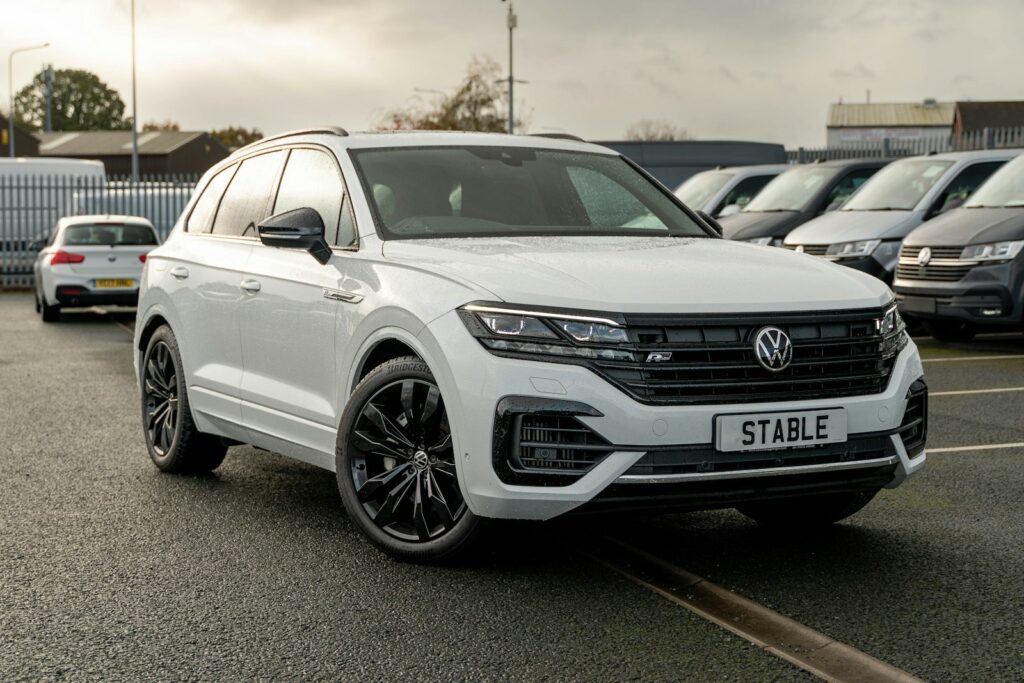
The Touareg offered genuine off-road capability and a plush, quiet cabin, and it shared its basic platform with the Porsche Cayenne and Audi Q7 while costing less than either. The hardware that made it so capable, including available air suspension, V8 and diesel engines and a complex all-wheel-drive system, is also what makes an older one expensive to keep. RepairPal gives the Touareg a reliability rating of 3.0 out of 5 and ranks it 25th of 26 midsize SUVs, with an average annual repair cost of $937 against $573 for the class. Its data also shows owners making unscheduled shop visits about 0.9 times a year, more than double the segment average. If you are shopping for one, ask for service records, and check that an air-suspension model raises and lowers through every height setting and sits level after being parked overnight. A pre-purchase inspection by a shop that works on Volkswagen and Audi products is worth the money.
BMW 5 Series (E60 Generation)
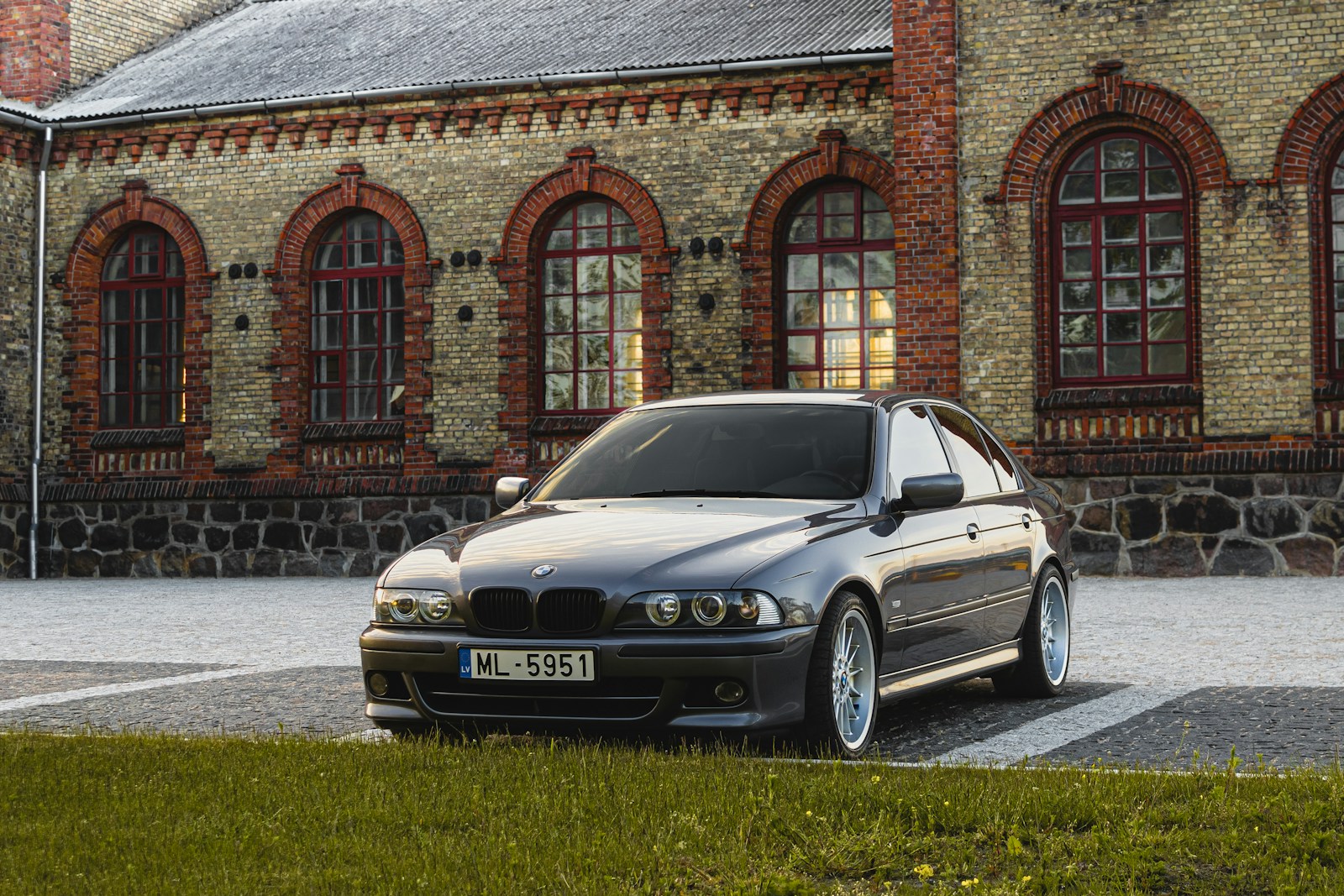
The E60-generation 5 Series, sold in the U.S. for the 2004 through 2010 model years, was praised for its handling and driver engagement, and it is still a satisfying car to drive. The trouble is what it costs to keep one on the road. RepairPal rates the 535i, a nameplate that covers the later E60 cars and their successor, at 2.5 out of 5 for reliability, with an average annual repair cost of $977 compared with $652 across all models. It also puts the chance of a repair being a major one at 16 percent, above the 12 percent average for all vehicles. Budget accordingly, because a cheap purchase price does not make the parts or labor any cheaper. Before buying, ask for records showing the cooling system and fluids have been serviced, have a BMW specialist scan the car for stored fault codes, and check that every piece of electronics, including the iDrive screen and controller, works as it should.
Jeep Grand Cherokee (WK2 Generation, V8 and Diesel Models)
The WK2 Grand Cherokee, especially in SRT or diesel trim, offered a compelling mix of luxury, capability and performance for the price. The diesel is the version with the most documented trouble. In January 2019 the EPA announced a Clean Air Act settlement with Fiat Chrysler covering roughly 100,000 model year 2014 to 2016 Ram 1500 and Grand Cherokee diesels, which the agency alleged carried undisclosed software and defeat devices. The company agreed to a $305 million civil penalty and a software fix backed by an extended warranty. Separately, NHTSA records show a 2020 recall of 2014 to 2019 EcoDiesel Grand Cherokees because the EGR cooler may crack, raising the risk of a fire in the intake manifold. Anyone shopping a diesel should run the VIN through NHTSA’s recall lookup and confirm the emissions update was done. On any WK2 with air suspension, cycle it through every ride height, and test the climate controls and touchscreen before you buy.
Chrysler 300C with the Hemi V8
Chrysler built an appealing product in the 300C: a large, comfortable, rear-wheel-drive sedan with a 5.7-liter Hemi V8 at a price that undercut most V8 competitors. The best-documented problem on the second-generation cars is electrical. In 2017 Chrysler recalled 2011 to 2014 models of the 300, along with related Dodge and Jeep vehicles, that have electro-hydraulic power steering and the 5.7-liter or 3.6-liter engine, because the alternator may suddenly fail. NHTSA’s summary says a failure can stall the car without warning and that the alternator may short circuit, raising the risk of a fire. The remedy was a free inspection and, where needed, a replacement alternator. If you are looking at a 300C from those years, check the VIN for open recalls before you hand over money. A battery warning light, dimming headlights or a burning smell are reasons to stop driving and have the charging system tested. Ask the seller for transmission service records as well.
Nissan Murano (with the CVT)
The Murano offered distinctive styling and a comfortable ride, which made it popular with buyers who wanted something different from the usual crossover shapes. It uses a continuously variable transmission, and that is where the complaints concentrate. CarComplaints, which collects owner reports, lists transmission problems as the worst category for the Murano and names 2015 the worst model year. The top problem it records for that year is jerking, at an average of about 21,000 miles and with an average repair cost of $6,500. On a test drive, accelerate gently from a stop and again at highway speed, and pay attention to any shudder, jerking, whining or a sudden rise in engine revs without matching acceleration. Ask whether the CVT fluid has ever been changed and whether the transmission has been replaced or reprogrammed, and get the paperwork. A car with no transmission history at all deserves a lower offer or a pass.
Mini Cooper (R56 Generation, Turbocharged Models)
The turbocharged R56-generation Cooper S, introduced for the 2007 model year, is one of the most entertaining small cars of its era, with quick steering and go-kart handling that lived up to the marketing. What it does not have is small-car running costs. RepairPal ranks the Mini Cooper 21st out of 21 subcompact cars for reliability, with an average annual repair cost of $846 against $456 for the class. Its data shows owners making unscheduled shop visits about 0.62 times a year, roughly double the subcompact average. Mini is a BMW brand, which helps explain why the bills look more like a premium car’s than an economy car’s. When shopping, start the engine cold and listen for rattles in the first few seconds, look for oil or coolant leaks around the engine, and ask for proof of regular oil changes. A specialist inspection costs far less than the first surprise repair.
Land Rover Discovery (LR3 and LR4)
The Discovery, sold in the U.S. as the LR3 and then the LR4, delivers three rows of seats, a commanding driving position and off-road ability that few rivals can match. The repair data is less flattering. RepairPal gives the LR4 a reliability rating of 2.0 out of 5, which it classes as below average, and ranks it 13th of 14 luxury midsize SUVs. Its average annual repair cost is $1,241, compared with $807 for the segment and $652 for all vehicles. Owners visit the shop for unscheduled repairs about 0.9 times a year, and RepairPal puts the probability of a repair being major at 15 percent. The site has no rating for the older LR3 because it lacks enough data. On either model, run the air suspension through each of its height settings, listen for a compressor that runs constantly, and look for warning lights on the dash. Set aside a repair fund before you buy, not after.