
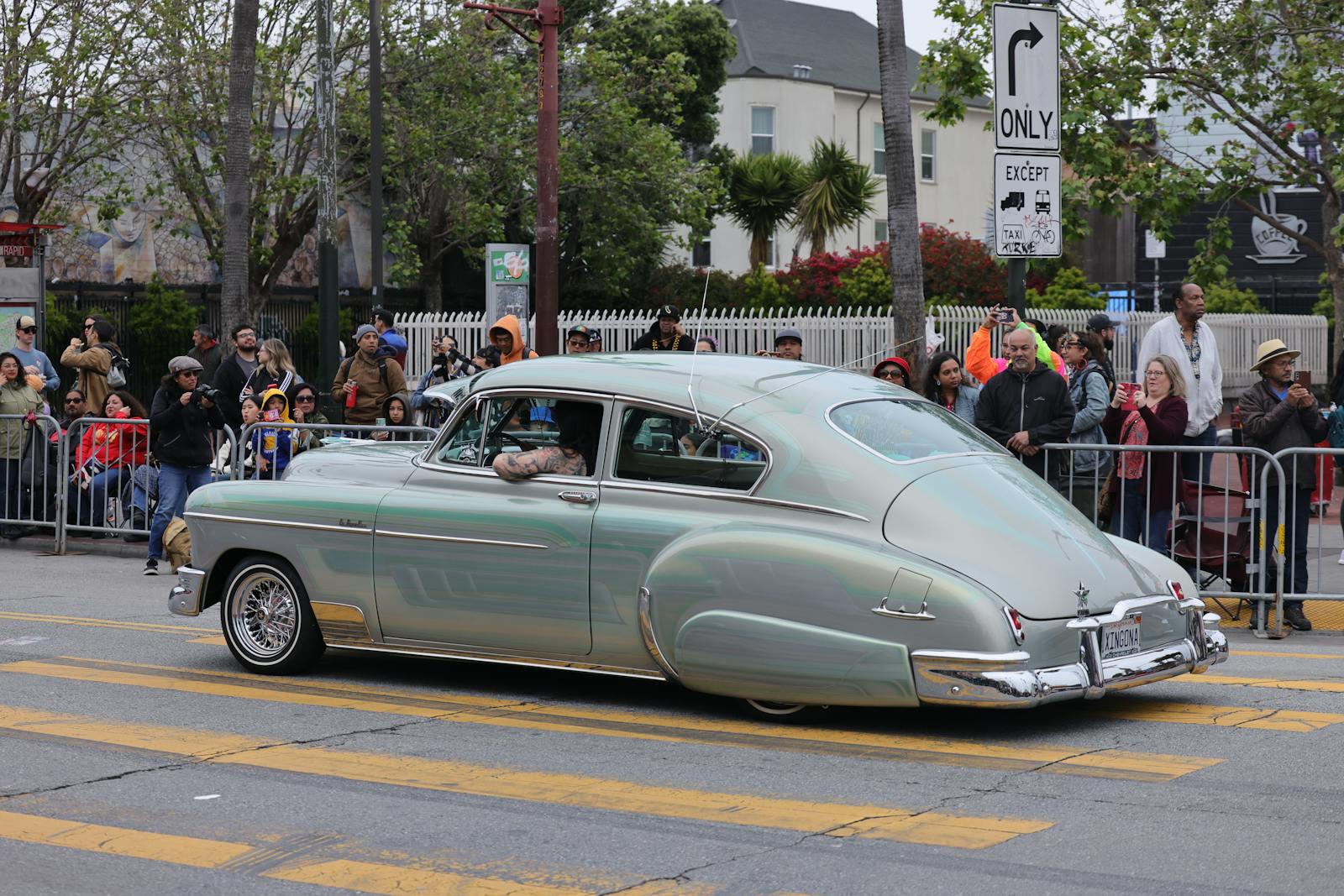

You’ll step into a decade where cars bridged wartime utility and postwar style, and you’ll spot details that tell each model’s story. You’ll quickly learn which 1940s classics stood out for their design, engineering, or cultural impact, making identification both fun and rewarding.
Turn this into a small challenge: follow visual cues, historical hints, and design signatures to match each name to an image or description. The article guides you through iconic examples like luxury Cadillacs, practical Jeeps, sleek Fords, and elegant Lincolns so you can test your knowledge and sharpen your eye for classic cars.
1940 Cadillac Series 61
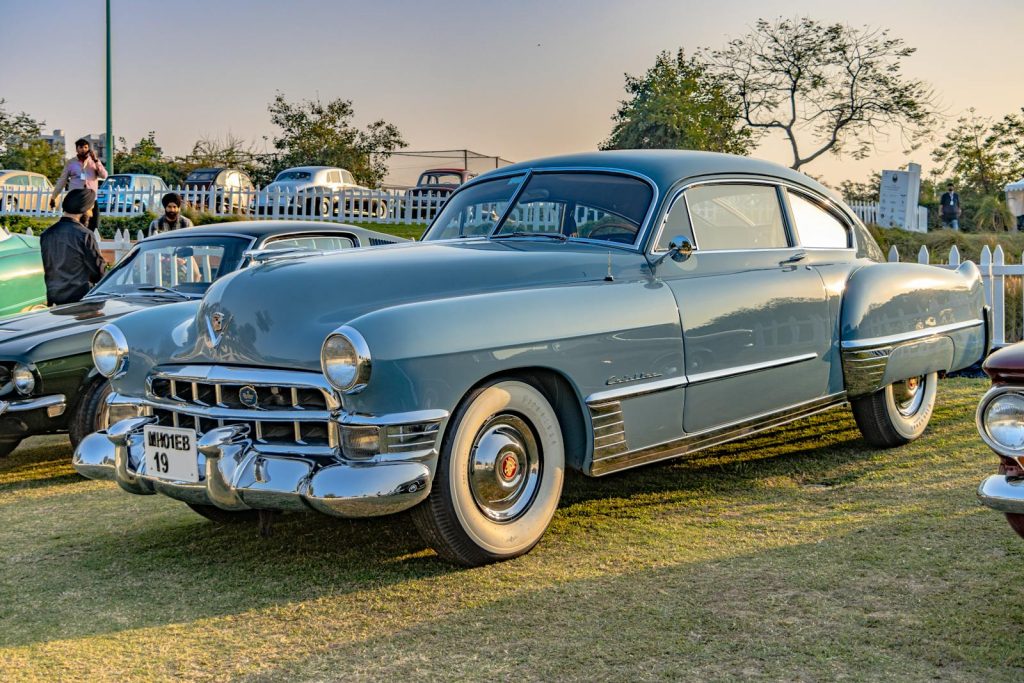
You’ll spot the Series 61 by its long, graceful hood and classic 1940s Cadillac stance.
Its V8 power and roomy interior made it a popular luxury choice for drivers who wanted comfort and presence.
Owners today value original details like chrome trim and period-correct upholstery.
If you’re identifying one, check the wheelbase and styling cues that distinguish it from the newer Series 62.
Willys Jeep MB
You’ll recognize the Willys MB by its simple, boxy shape and nine‑slot stamped grille born from wartime practicality.
It debuted in 1941 as a lightweight 4×4 built for reconnaissance and utility, with Ford making a near‑identical GPW alongside Willys.
You can still spot restored MBs at shows and in collections; many evolved into postwar civilian CJs.
Its rugged, functional design set the blueprint for future off‑road vehicles you might drive or admire today.
Ford Deluxe Coupe
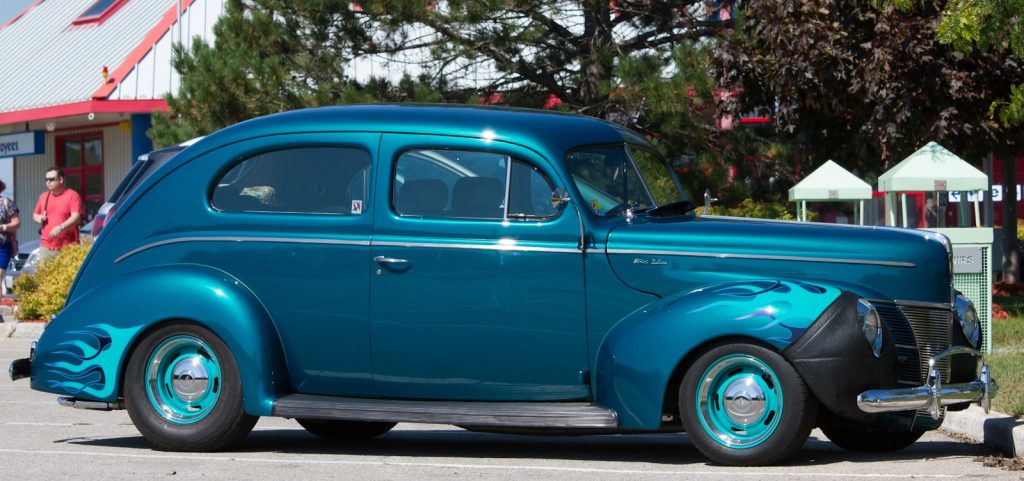
You’ll recognize the Ford Deluxe Coupe by its rounded, Art‑Deco lines and all‑steel body that defined late‑1930s to 1940 styling.
Its flowing grille and compact rear fenders give it a timeless, balanced look that many collectors chase.
Expect a flathead V8 under the hood in original examples, though you’ll also see restomods with modern swaps and upgraded suspensions.
Whether you spot one in glossy black or jade green, the Deluxe Coupe often feels like a small, elegant Lincoln.
Chrysler Town & Country
You’ll recognize the Town & Country for its wood‑trimmed station‑wagon look that became iconic in the 1940s.
Chrysler built these from 1941–42 and 1945–50, offering sedan, coupe, convertible and wagon body styles at different times.
You can spot period details like sweeping fenders, chrome accents, and roomy interiors made for family travel.
Collectors prize the early wood‑bodied examples for their craftsmanship and vintage appeal.
Chevrolet Fleetline
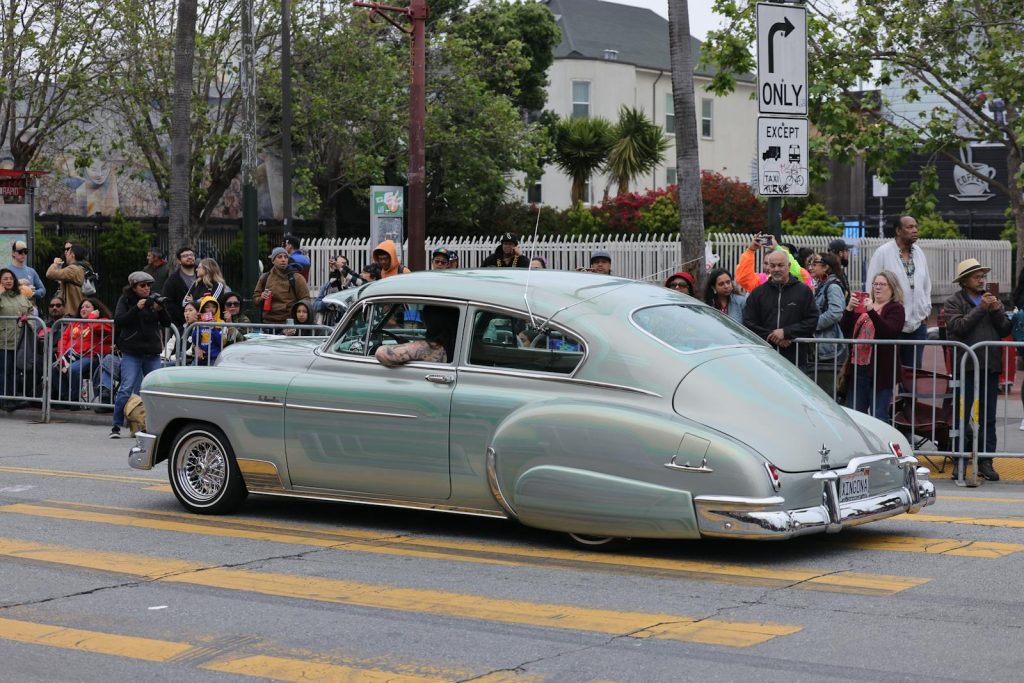
You’ll spot the Fleetline by its smooth fastback silhouette and low, flowing roofline. It became one of Chevrolet’s best-sellers in the 1940s, especially the Aerosedan fastback.
You’ll find models from 1941–49 that blend postwar styling with straightforward engineering. Collectors prize the Fleetline for its elegant looks and period-correct authenticity.
Lincoln Continental Cabriolet
You’ll spot the Continental Cabriolet by its long hood, graceful fenders, and restrained, European-inspired lines.
Built in very limited numbers starting in 1940, many early examples were hand-assembled and even had hand-hammered body panels.
Under the hood sits a V‑12 that was unusual for American cars, giving the Cabriolet smooth, relaxed performance.
Collectors prize its combination of elegance and rarity, so original examples often appear at top classic-car auctions.
Buick Super Riviera
You’ll notice the Buick Super Riviera’s long, graceful profile and extra side windows that give rear passengers a limousine-like feel.
This mid-century Buick paired roomy comfort with Buick’s smooth eight-cylinder power, making it a popular choice for families and executives.
If you spot sweeping chrome trim and a roomy rear seat, you’ve likely found a Super Riviera from the late 1940s to early 1950s.
More from Steel Horse Rides: