
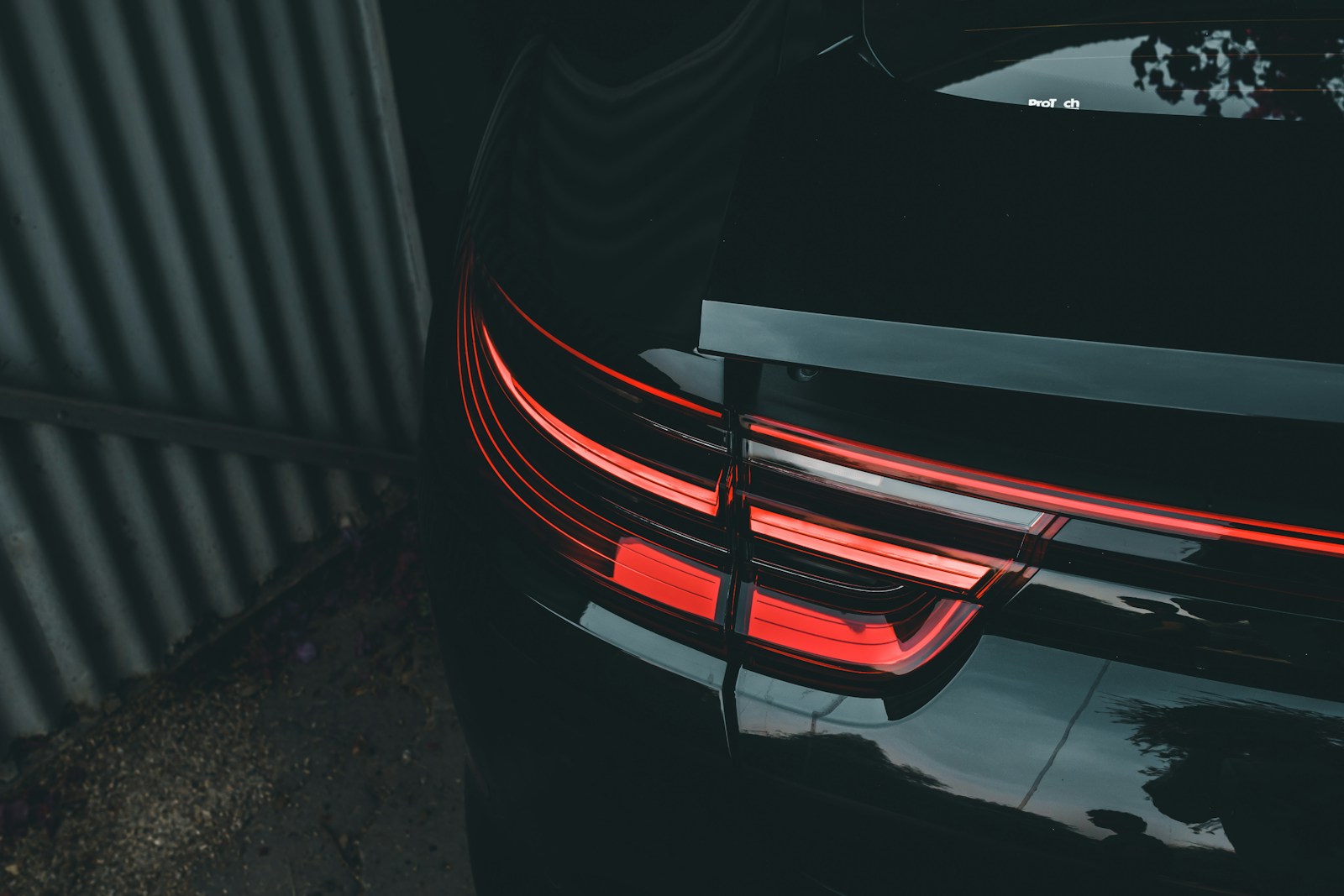

You know that tiny dashboard light you’ve been pretending not to see? Or the weird noise you’ve decided is “probably fine”? Most of us have been there. The problem is, a lot of the little things we brush off aren’t just annoying—they’re exactly the kind of thing that catches a cop’s eye during a routine drive.
Getting pulled over doesn’t always start with speeding or rolling a stop sign. Sometimes it’s as simple as a dead tail light or an expired tag that’s basically waving a flag saying, “Hey, look at me.” Here are seven common car issues drivers ignore until the flashing lights show up in the rearview mirror.
1) Burnt-Out Headlights, Tail Lights, or Brake Lights
This one is the classic. Your car can be running perfectly, but if a headlight is out, it’s an easy, visible reason for an officer to stop you—especially at night or in bad weather. Brake lights matter even more because they’re a direct safety issue for the driver behind you.
The annoying part is you often won’t notice from the driver’s seat. A quick walk-around once a week (or whenever you fill up gas) can save you a ticket and that “Wait… my light was out?” surprise. Many auto parts stores will help you find the right bulb, and swapping it is usually a 10-minute job, not a weekend project.
2) Expired Registration or Missing Stickers
If your registration is expired, you’re basically driving around with an official countdown clock that hit zero. Some officers have license plate readers that flag expired registration automatically, which means you can get pulled over even if you’re driving like a saint.
Also: missing or incorrect stickers can attract attention, even if your registration is technically current. Paperwork issues feel boring until you’re standing on the roadside trying to remember whether you renewed online or “meant to.” Set a calendar reminder for a month before it expires and you’ll never have to play that game again.
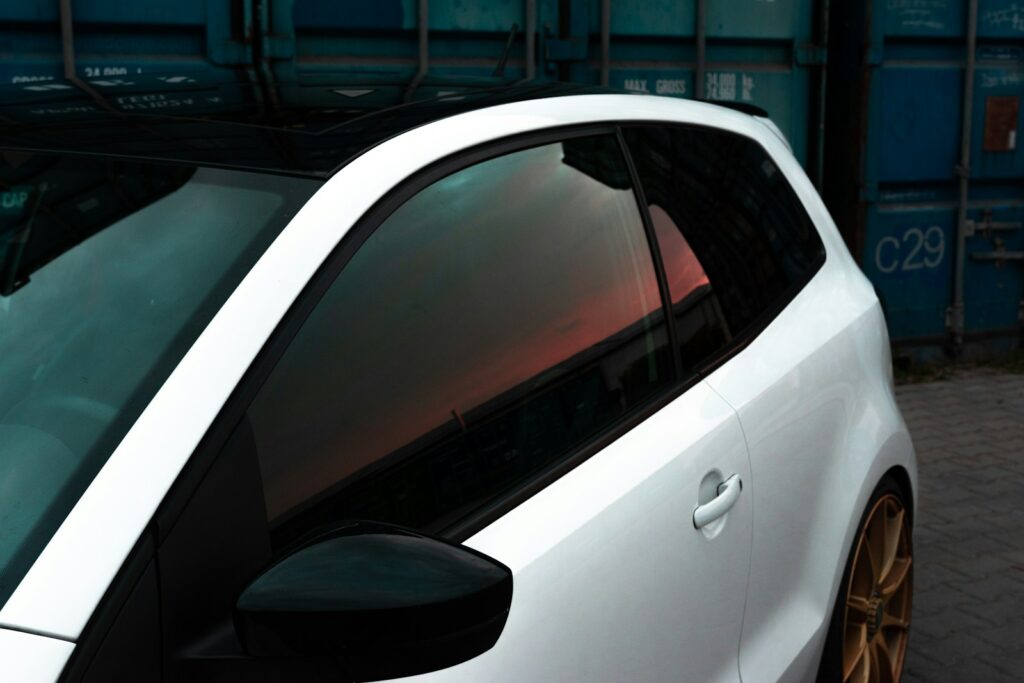
3) Illegal or Too-Dark Window Tint
Window tint is one of those things people don’t think about until it becomes a thing. Tint laws vary a lot by state, and what looked great on your friend’s car might be way over the legal limit where you live. Dark tint can also be a common reason officers initiate stops because it’s easy to spot and sometimes tied to safety concerns.
If you bought the car used, don’t assume the tint is legal just because it was already there. A tint shop can measure it quickly, and some will even tell you what your local rules allow. Fixing it is usually cheaper than repeated tickets—and less awkward than peeling film off your windows in a parking lot.
4) Broken Windshield, Obstructed View, or Missing Wipers
That crack across your windshield might feel like a cosmetic issue, but if it’s in your line of sight or spreading, it can be considered a safety hazard. Same goes for anything dangling from the rearview mirror—air fresheners, giant keychains, parking passes stacked like a scrapbook. Many places have laws about windshield obstructions, and officers can use them as a reason to stop you.
Wipers are the sneaky version of this problem. You don’t realize they’re terrible until the first real rain hits and suddenly you’re driving by vibes and prayer. If your wipers smear, skip, or sound like a broom on glass, replace them—it’s one of the cheapest safety upgrades you can make.
5) Loud Exhaust or “It’s Just a Muffler Problem”
A noisy exhaust is one of those things that starts as “kind of embarrassing” and ends as “why is everyone looking at me.” In many areas, excessively loud exhausts or modified systems that violate noise rules are ticketable. Even if it’s not modified, a failing muffler can get loud enough to draw attention fast.
Beyond the noise, exhaust leaks can be a real health risk because they can let fumes into the cabin. If your car suddenly sounds like it’s auditioning for a race movie, get it checked. Sometimes it’s a simple clamp or a small repair, not a full exhaust replacement.
6) Bald Tires (or Tires That Look Fine Until Someone Actually Looks)
Tires are easy to ignore because, honestly, who’s out there admiring their tread depth? But bald tires are a safety hazard, especially in rain or snow, and they can be a valid reason for a stop in some situations. Plus, if you get pulled over for something else, clearly unsafe tires can make the interaction worse.
If you can see wear bars flush with the tread, or you notice cracking on the sidewalls, it’s time. The quick-and-dirty check is the “penny test,” but a proper tread gauge is cheap and more accurate. Good tires aren’t glamorous, but they’re the difference between stopping normally and sliding into a problem.
7) That “Check Engine” Light You’ve Learned to Live With
The check engine light is the king of denial. Sometimes it’s minor—like a loose gas cap—and sometimes it’s your car politely warning you that something expensive is coming. While a check engine light alone usually isn’t a direct reason for a traffic stop, the issues behind it can lead to noticeable problems like smoke, rough running, or stalling.
And if your car fails emissions testing in your area, that can turn into registration trouble, which absolutely can lead to getting pulled over. Most parts stores will scan the code for free, and it gives you a starting point. Even if you can’t fix it immediately, you’ll at least know whether you’re dealing with a $20 fix or a “start budgeting” situation.
The Common Thread: Small Stuff Becomes “Cop-Notices” Stuff
A lot of these issues aren’t dramatic at first—that’s why they’re so easy to ignore. But anything that affects visibility, safety, or legal compliance tends to stand out on the road. And once you’re pulled over for one thing, it can snowball into warnings or tickets for anything else the officer spots.
The good news is most of these fixes are either cheap, quick, or at least easy to plan for. Do a five-minute walk-around once in a while: lights, tires, windshield, plates. It’s the kind of low-effort habit that keeps your car safer—and keeps your day from getting interrupted by surprise flashing lights.
More from Steel Horse Rides: