
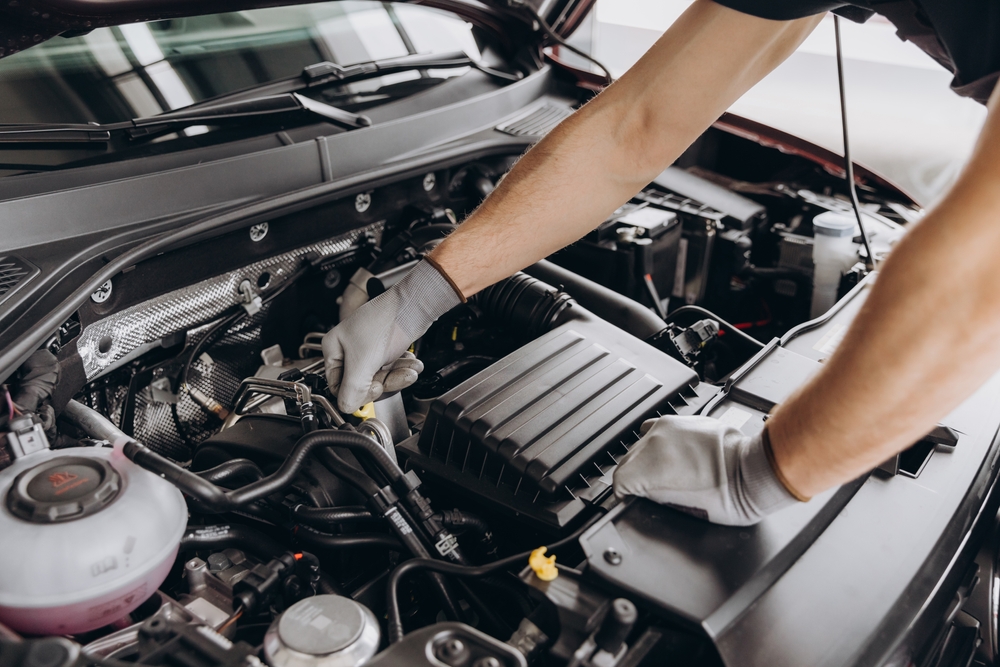

If you’ve ever rolled into a repair shop with that “it just started making a noise yesterday” look, you’re not alone. Mechanics see the same patterns over and over—little decisions that feel harmless in the moment but end up being the last nudge before a big, wallet-draining breakdown. The frustrating part is that most of these mistakes are totally avoidable.
Think of your car like your body: you can ignore a weird ache for a while, but eventually it’s going to demand your attention. Here are the seven habits mechanics swear are the most expensive right before something major goes wrong.
1) Treating warning lights like “suggestions”
That check engine light isn’t a vibe, it’s a message. Mechanics say one of the costliest patterns is drivers waiting weeks—or months—hoping the light will “go away” on its own. Sometimes it does… and sometimes it’s because the problem got so bad a sensor can’t even report correctly anymore. Not ideal.
If the light is flashing, that’s your car basically yelling, and you should stop driving as soon as it’s safe. If it’s steady, you’ve got a little more time, but not unlimited time—get the code read and make a plan. Many auto parts stores will scan codes for free, and that quick check can save you from turning a minor issue into a catalytic-converter-sized bill.
2) Ignoring overheating “because it’s probably fine”
Ask any mechanic what they dread hearing and “It overheated but I kept driving” is high on the list. Overheating can warp cylinder heads, blow head gaskets, and damage the engine in ways that aren’t cheap or quick. Your temperature gauge is not there for decoration.
If your temp starts climbing, pull over, shut it down, and let it cool. Driving “just a few more miles” can be the difference between a $150 hose repair and a multi-thousand-dollar engine job. And yes, running the heater full blast can help in a pinch, but it’s not a solution—more like a limp-home trick.
3) Skipping oil changes, then “topping off” forever
Oil changes aren’t glamorous, so people procrastinate. But mechanics will tell you that sludge doesn’t care about your calendar or your budget. Once oil breaks down, it can’t protect your engine properly, and internal wear starts piling up quietly—until it’s suddenly not quiet at all.
“Topping off” helps if you’re low, but it doesn’t remove contaminants or restore the additives that wear out over time. And if you’re frequently low on oil, that’s a symptom worth investigating—leaks and oil consumption can turn into major problems when ignored. Clean oil is cheaper than metal-on-metal regret.
4) Driving on worn brakes because they “still stop”
Sure, the car stops… for now. Mechanics say people often wait until brakes are grinding, pulling, or vibrating before they come in, and by then the cheap fix is gone. What could’ve been pads turns into pads and rotors, maybe calipers, sometimes even wheel bearings if things get really dramatic.
Squealing is often your brake pad wear indicator politely asking for attention. Grinding is the sound of money leaving your bank account. If your brake pedal feels soft, the car takes longer to stop, or you feel shaking in the steering wheel when braking, that’s your sign to schedule service—not to turn up the radio.
5) Letting small leaks become “normal”
Mechanics can’t count how many times they’ve heard, “Oh yeah, it’s always leaked a little.” Coolant leaks, oil leaks, transmission fluid leaks—none of them are cute. The scary part is that leaks don’t just make a mess; they lower fluid levels, and low fluids are how perfectly good components get cooked.
Coolant is the big one because a slow coolant leak can lead straight to overheating and serious engine damage. Transmission fluid leaks can start as a minor seal and end with slipping gears and internal wear. If you see wet spots where you park, notice a sweet smell, or have to add fluids regularly, it’s time to get it checked before “a little” becomes “tow truck.”
6) “It’s just a little shaking” (aka ignoring vibrations and weird noises)
Cars don’t develop new clunks, rattles, and shakes for no reason. Mechanics say drivers often get used to a vibration and adapt—until a tire blows out, a suspension part fails, or a drivetrain issue snowballs. The tricky thing is that your car can feel “mostly fine” right up until it very much isn’t.
Vibrations at highway speed can mean tire balance, alignment issues, or a damaged tire—any of which can wear things out faster if ignored. Clunking over bumps can point to worn suspension components that affect handling and tire wear. And a humming or growling that changes with speed can be a wheel bearing saying, “Hi, I’m getting worse.”
7) Waiting too long on routine replacements (belts, filters, spark plugs)
A lot of breakdowns come from parts that were always going to wear out—just not on your schedule. Timing belts (or timing chains with their own issues), serpentine belts, spark plugs, and filters aren’t exciting, but they’re the little hinges that swing big doors. Mechanics see people skip these until the car won’t start, runs rough, or strands them at the worst possible moment (because it’s always the worst possible moment).
A snapped serpentine belt can knock out your alternator, power steering, and water pump on many vehicles—meaning you’re suddenly dealing with overheating and a dead battery. Neglected spark plugs can cause misfires that damage catalytic converters, which is a painful sentence in any language. Following the maintenance schedule feels boring right up until it saves you.
The takeaway mechanics wish every driver heard
Major breakdowns usually don’t come out of nowhere—they’re often the final chapter of a story your car’s been trying to tell for a while. If something changes (a light, a smell, a sound, a feel), it’s worth paying attention early when the fix is smaller and the options are better. You don’t have to know exactly what’s wrong—you just have to notice that something is.
If you’re not sure what to prioritize, a basic inspection once or twice a year can catch the sneaky stuff before it turns into an “unexpected vacation” on the shoulder of the highway. Your future self will thank you. And your mechanic will too—because they’d much rather fix a small problem than break the news about a big one.
More from Steel Horse Rides: