

You’re choosing an EV to save money, reduce emissions, or enjoy cutting-edge tech — but some models show recurring issues once they pass about 50,000 miles. This article highlights seven electric cars that have drawn enough reliability concerns that you should consider maintenance history, warranty coverage, and repair costs before buying or keeping one long-term.
You’ll get clear, practical guidance on which vehicles have shown problems and why those issues matter for ownership, not just headlines. Use the following breakdowns to weigh risk versus value and make smarter choices for your next EV move.
Tesla Model X
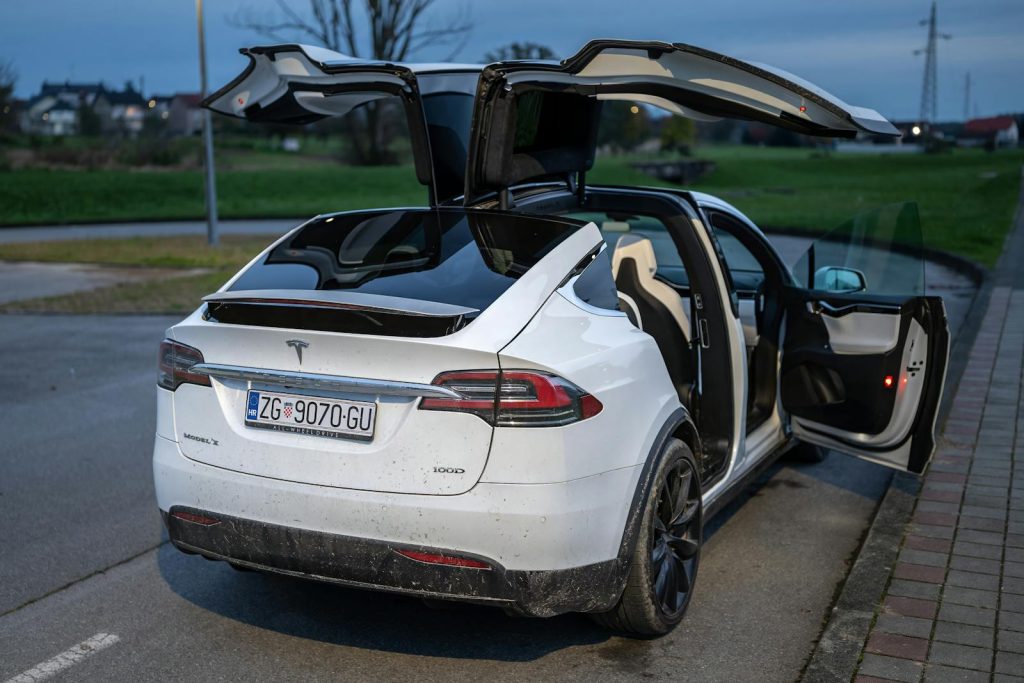
You’ll appreciate the Model X’s range and quick acceleration, but owners report issues emerging after higher mileage. Falcon-wing doors and complex electronics can need repairs that become more frequent past 50,000 miles.
Battery health generally stays strong through moderate mileage, though degradation and expensive pack repairs are possible later. Expect software and sensor faults too, which may require dealer service or third-party diagnostics.
Nissan Leaf (early models)
If you’re looking at early Nissan Leaf models, watch for battery capacity loss that can reduce range significantly after high mileage.
Many owners report faster degradation in hot climates and with high-charge patterns, so check the battery health report before buying.
You may also encounter older electrical quirks like warning lights or charging faults that need diagnostic attention.
Get a pre-purchase inspection and ask for records of any battery replacements or software updates to protect your purchase.
BMW i3
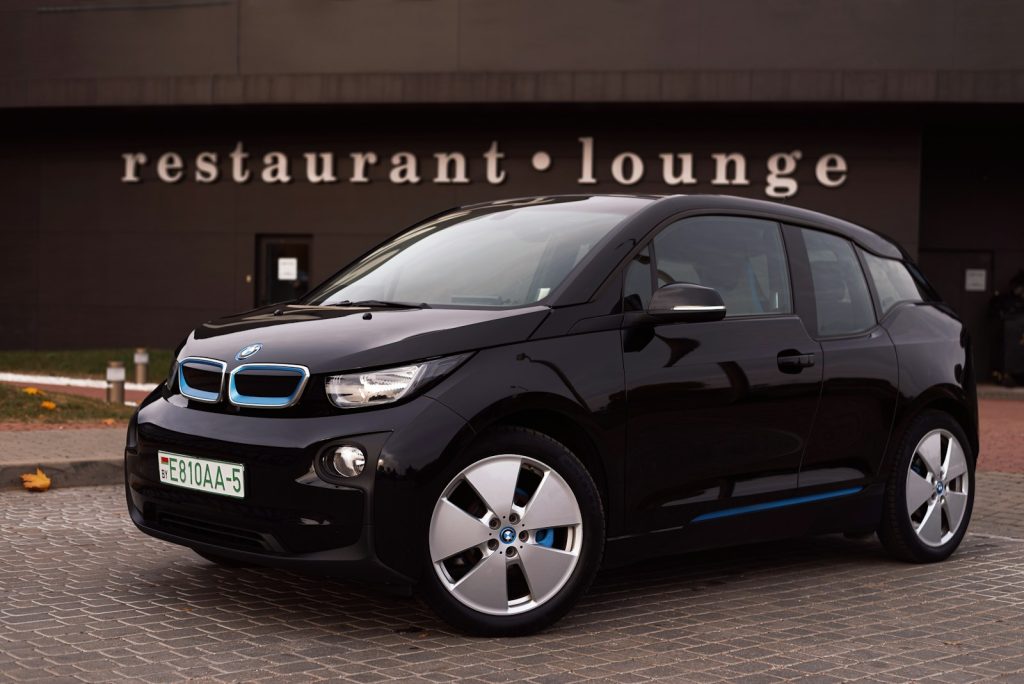
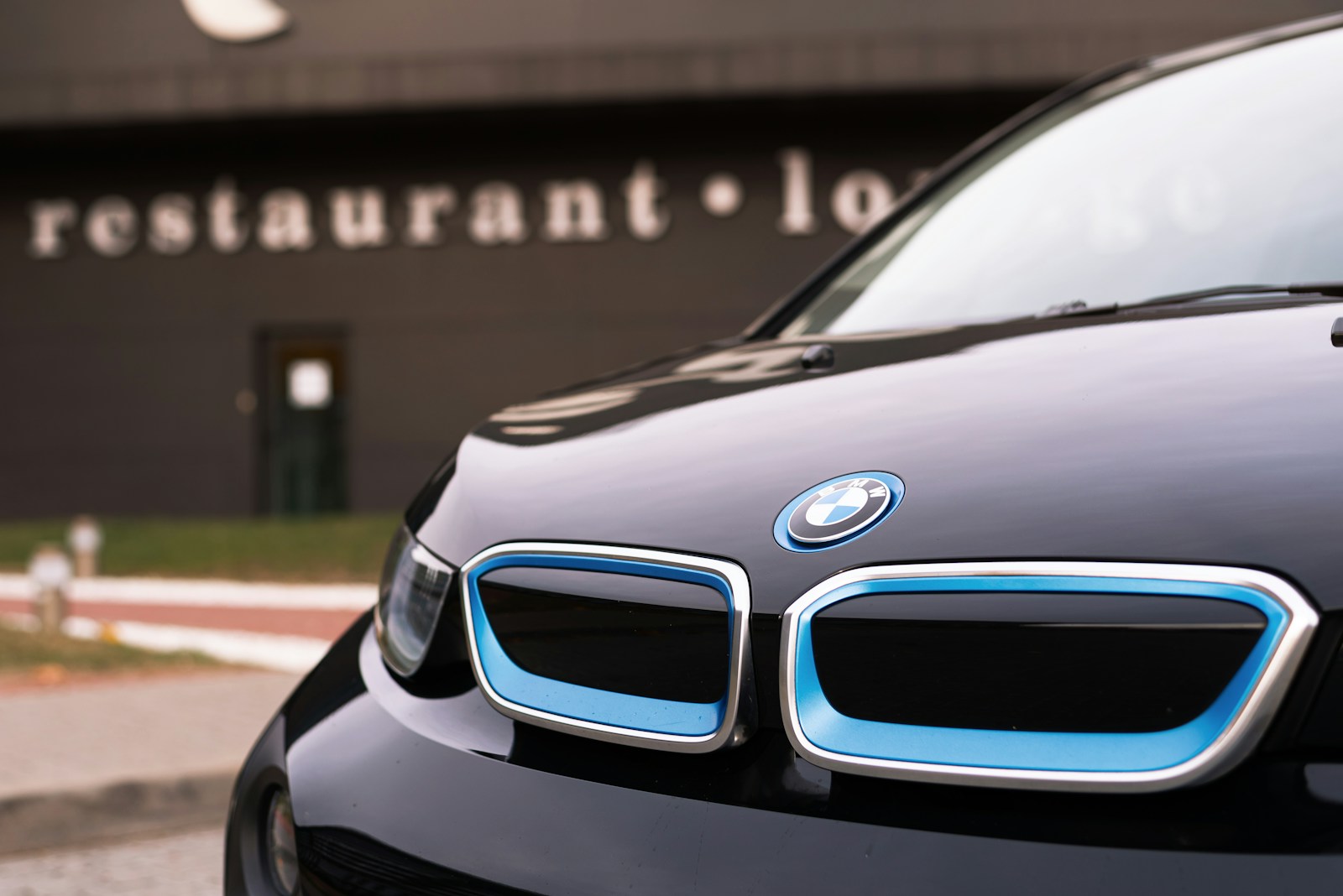
You’ll find the i3’s compact, lightweight design refreshing for city driving. Early models had some reliability quirks, but later years (2017+) improved many weak spots.
Keep an eye on the high-voltage system and electric drive components, since failures can be costly to repair. Battery degradation and auxiliary electronics (HV software or motor controllers) are the most common long-term concerns.
Service history and a pre-purchase inspection by an EV-savvy technician will help you spot issues before they become expensive.
Chevrolet Bolt EV (2017-2019)
You may face battery-related issues on early Bolt models, including a risk of thermal events that led to multiple recalls. GM expanded recalls and repairs for 2017–2019 Bolts to address fire risk and battery defects.
If you own one, check recall status and request GM’s remediation if eligible. Regularly monitor charging habits and software updates to reduce risk and detect degradation early.
Hyundai Kona Electric (first generation)
You may encounter battery issues after moderate mileage, including unexpected capacity loss or the rare need for a battery pack repair or replacement. Warranty often covers major failures, but service visits can be time-consuming.
Some owners report coolant leaks in the power electronics that can cause sudden loss of drive power. Watch for warning lights, reduced performance, or the smell of coolant and get it inspected promptly.
Smaller faults like sensor failures and accessory glitches have also shown up. Keep detailed service records and check recalls before buying used.
Ford Focus Electric
You may appreciate the Ford Focus Electric for its compact size and efficiency in city driving.
Some owners report recurring electrical and drivetrain faults as mileage climbs toward 50,000, so expect potential repair needs.
Keep service records and get a pre-purchase inspection if you’re buying used.
Replacement parts for older EV systems can be harder to source, which may affect repair time and cost.
Volkswagen e-Golf
You’ll appreciate the e-Golf’s familiar Golf handling and compact practicality for daily driving.
Some owners report battery management and capacity loss issues after extended use, especially past 50,000 miles.
Before buying, check battery state-of-health records and service history.
A pre-purchase battery test can reveal remaining capacity and potential future costs.
More from Steel Horse Rides: