

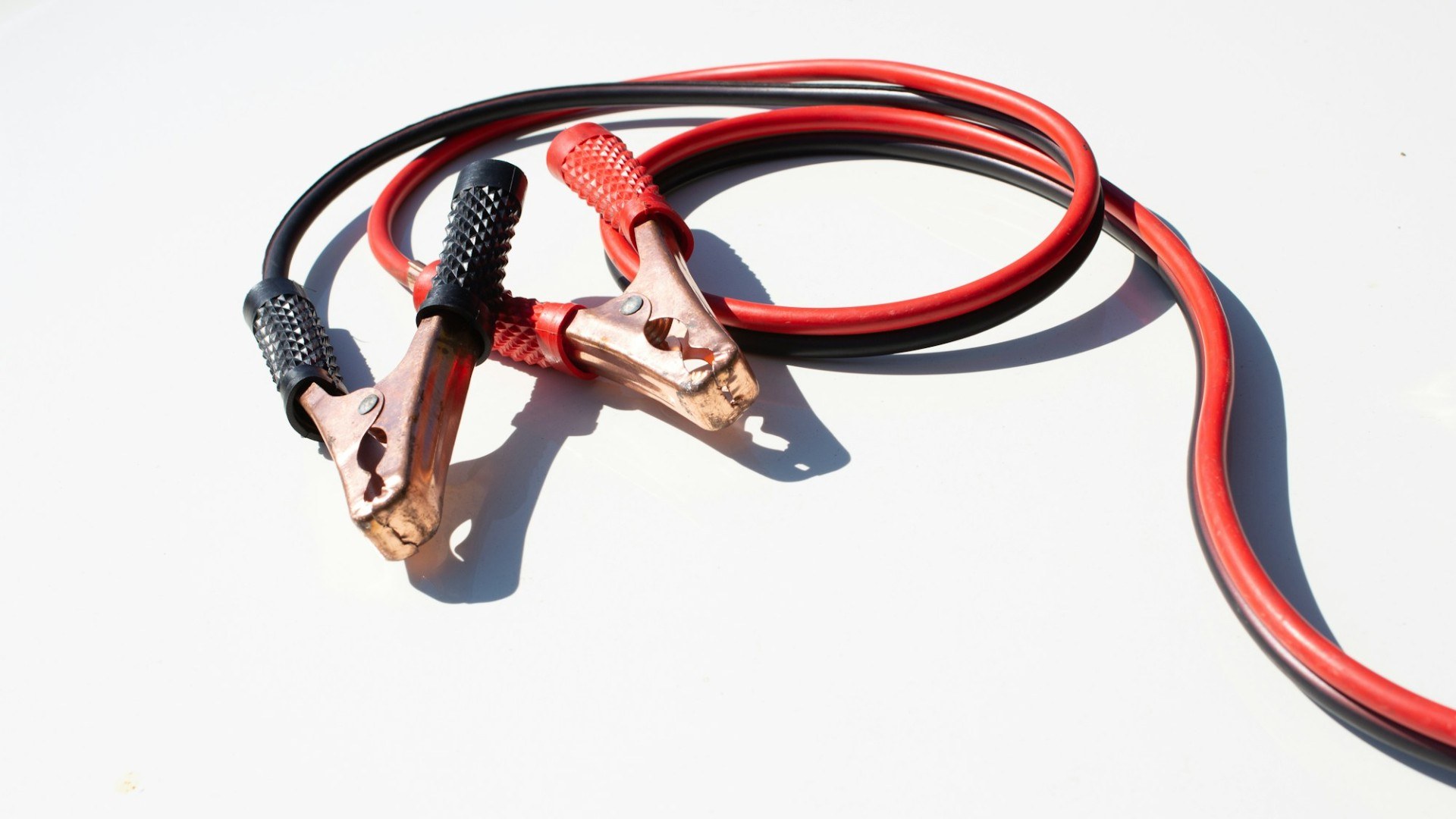
A jump starter is trunk insurance: you buy it hoping never to need it, then it has to work the one time you do, often in a cold parking lot with a dead battery and little patience for troubleshooting. That’s exactly when a unit’s weak points show, whether it’s an internal battery that has quietly degraded from disuse or cables too short to reach comfortably.
Six of the entries below draw on SlashGear’s ranking of major jump starter brands from worst to best, which weighed sales data, customer ratings and the author’s years as a professional technician. The seventh is a product type rather than a single brand. In several cases the trouble sits with particular models, not everything the brand sells, so the notes below name them.
Scatach
SlashGear reports that Scatach jump starters show a notably high complaint rate, with “nearly 10% of all reviews” landing at one star, citing poor construction, unreliable storage batteries, and product failure after a single use. The outlet also notes multiple reports of plastic buttons falling into the unit, along with complaints about questionable starting power, poorly built clamps and poor customer service. That sits awkwardly beside the claims for the brand’s 3000-amp model sold on Amazon, which is advertised as able to start a 9.0-liter gas engine or a 7.0-liter diesel 50 times on a single charge and doubles as a power bank and flashlight. If you already own one, don’t assume it’s ready. Charge it fully, press every button, squeeze the clamps to feel the spring tension, and look at the charge indicator again after a few weeks in the trunk. If you’re buying new, keep the packaging and do those checks inside the return window.
Stanley
Stanley’s place here is about its big all-in-one power stations, not every jump starter with the name on it. The line leans feature-rich, bundling air compressors and power inverters into the same unit, but SlashGear notes that sacrifices portability, with the Professional Power Station weighing around 20 pounds. The outlet also cites poor ratings on Stanley’s own website, with out-of-the-box charging failures a major factor, and adds that the highest-rated Stanley jump starter on Amazon, a 1200-amp unit with a compressor at about $100, seems to avoid those problems. The bulk comes from the battery. The PPRH5 instruction manual lists a sealed lead-acid battery and tells owners to recharge at least every 60 days because it loses energy in storage. Skip that routine and the unit may have nothing to give. If you buy one, charge it the day it arrives, confirm it reaches full, and set a recurring reminder on your phone.
DieHard
DieHard trades on a reputation for dependability, but SlashGear reports its jump starters can be heavy, use hard plastic housings that break easily from minor impacts, and, in the older models, rely on lead-acid battery technology rather than the lighter lithium cells found in newer competitors. The outlet also notes short cables and long waits when a combination unit is used to charge a battery rather than jump it. The author, who worked as a Sears mechanic, found the brand’s jump starters not very dependable but adds that its newer lithium units have decent reviews. One of them, the Silver 3-in-1 800-Amp sold at Advance Auto Parts, is described as able to start a 4.0-liter gas engine up to 20 times. So the model matters. With an older lead-acid DieHard, check the case for cracks, keep it strapped down or in a padded bag so it can’t slide around the trunk, and confirm the cables reach both terminals on your vehicle.
EverStart
EverStart, Walmart’s jump starter house brand, is widely available but SlashGear notes most models carry under 1,000 reviews despite that broad availability, and common complaints describe internal batteries that won’t hold a charge, recharge properly, or actually jump a car, issues the outlet calls “pretty damning” for a product with exactly one job. The exception SlashGear singles out is the EverStart Maxx 1000-Amp, a combination unit with an air compressor, USB charging and a work light, which holds a solid rating. Since the complaints center on the internal battery, that is the part to test. Charge a new unit fully, leave it unplugged for a couple of weeks, then check the indicator. If the charge has collapsed, return it while you still can. Read reviews for the exact model number on the box rather than the brand as a whole, sort them by newest, and keep the receipt somewhere you can find it.
Ryobi
Ryobi’s jump starter relies on its interchangeable One+ battery platform, which SlashGear notes creates a specific vulnerability: the unit only works if you happen to have a charged One+ battery on hand, which isn’t guaranteed during an actual emergency. The outlet also flags noticeably short jumper cables and instructions that are fuzzy on advanced features like override mode. A Pro Tool Reviews test of the kit fills in the numbers: there is no built-in battery at all, the leads are about 12 inches long, the largest pack that fits with the door closed is a 4.0Ah High Performance battery, and the price was $179 bare or $199 with a 2.0Ah battery and charger. For Ryobi tool owners who already keep charged batteries around, this system can work well, and SlashGear says it is best suited to a garage setup. If it rides in your car, dedicate one battery to it and top that battery up on a schedule.
DeWalt
The concern with DeWalt is narrow: its big lead-acid power stations as trunk gear. SlashGear notes the jump starters are made by a separate company, Baccus Global, and the DXAEJ14 product page confirms the DeWalt name is used under license. SlashGear puts the 1600 Peak Amp model with digital compressor at around 35 pounds with a lead-acid power source and suggests it’s better suited to garage storage than trunk-ready emergency use. A Pro Tool Reviews look at the DXAEPS14 listed that unit at 20.9 pounds with a sealed lead-acid battery, about the size of a car battery, needing 40 hours for its first charge and closer to 10 hours afterward. The reviewer said it does its job well but warned that lead-acid self-drains faster than lithium and loses life if it runs down too far too often. On a garage shelf and charged on schedule, that’s manageable. Forgotten in a trunk for months, it may not be.
Generic Power Banks Marketed as Jump Starters
Many budget “jump starter” products are compact power-bank-style packs with jumper clamps attached, and some lack the sustained amperage needed to reliably crank a larger engine, particularly a V6, V8, or diesel. These products can work fine on a small four-cylinder engine in mild weather, but they’re frequently sold on peak-amp numbers that don’t reflect sustained real-world output. Jump starter maker Clore Automotive puts it bluntly in its guide to how these units are built: “Peak Amps don’t start vehicles.” The term has no fixed definition, the company says, while cranking amps is a Battery Council International standard that means the same thing from one manufacturer to the next. Its advice is to beware of any unit not rated in cranking amps. So look past the headline number on the box. Find the cranking amp figure in the specs, compare it with what your engine needs, and check that the cables are thick and the clamps grip hard.