

A jump starter is trunk insurance: you buy it hoping never to need it, then it has to work flawlessly the one time you actually do, often in a cold parking lot with a dead battery and a limited patience for troubleshooting. That’s exactly the scenario where a unit’s weak points get exposed, whether that’s an internal battery that’s quietly degraded from disuse or cables too short to reach comfortably.
According to SlashGear’s ranking of major jump starter brands from worst to best, here are seven situations worth knowing about before you’re the one standing in that parking lot.
Scatach
SlashGear reports that Scatach jump starters show a notably high complaint rate, with “nearly 10% of all reviews” landing at one star, citing poor construction, unreliable storage batteries, and product failure after a single use. The outlet also notes reports of plastic buttons falling into the unit and questionable clamp quality. A jump starter with a documented history of failing after minimal use is a particularly risky choice for exactly the kind of emergency it’s meant to solve. If you already own one, testing it periodically rather than assuming it’s ready is a reasonable precaution given this pattern of reported issues.
Stanley
Stanley’s jump starters lean feature-rich, often bundling air compressors and power inverters into the same unit, but SlashGear notes that sacrifices portability, with some models weighing around 20 pounds. The outlet also cites poor ratings on Stanley’s own website referencing out-of-the-box charging failures. A 20-pound unit that also arrives unable to hold a charge is a frustrating combination, especially for anyone who wants to keep a jump starter in the trunk without it becoming a permanent fixture due to sheer bulk. Checking the specific model’s charging reliability in recent reviews before buying is worth the extra step given this pattern.
DieHard
DieHard trades on a reputation for dependability, but SlashGear reports its jump starters can be heavy, use hard plastic housings that break easily from minor impacts, and rely on older lead-acid battery technology rather than the lighter lithium cells found in newer competitors. The outlet also notes short cables and slower charging as recurring issues. A cracked housing from a minor drop is a particularly bad failure mode for emergency equipment that needs to survive being tossed in and out of a trunk repeatedly. Handling any DieHard unit carefully and storing it in a padded case is a reasonable mitigation if you already own one.
EverStart
EverStart, Walmart’s jump starter house brand, is widely available but SlashGear notes most models carry under 1,000 reviews despite that broad availability, and common complaints describe internal batteries that won’t hold a charge, recharge properly, or actually jump a car, issues the outlet calls “pretty damning” for a product with exactly one job. A jump starter failing at its single core function is about as concerning as a complaint pattern gets in this category. Given the relatively low review volume for such a widely stocked brand, checking the most recent reviews for your specific model before relying on it is a reasonable extra step.
Ryobi
Ryobi’s jump starter relies on its interchangeable One+ battery platform, which SlashGear notes creates a specific vulnerability: the unit only works if you happen to have a charged One+ battery on hand, which isn’t guaranteed during an actual emergency. The outlet also flags noticeably short jumper cables and instructions that are fuzzy on advanced features like override mode. For Ryobi tool owners who already keep charged batteries around, this system can work well, but for anyone buying it purely as a standalone emergency device, the battery-availability dependency is a real limitation worth understanding upfront.
DeWalt
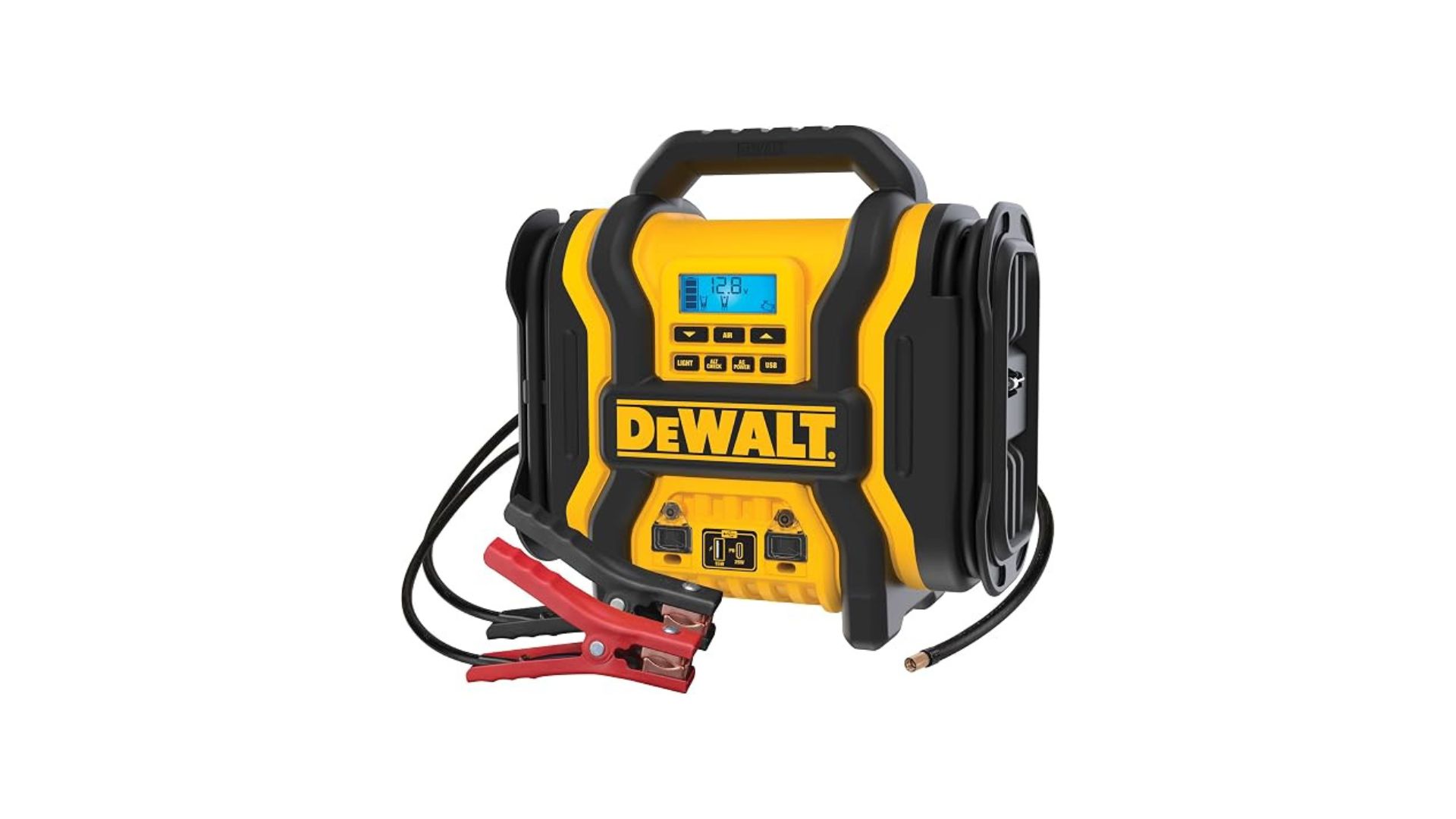
DeWalt’s jump starter carries strong brand trust from its tool lineup, but SlashGear notes the actual jump starter product is manufactured by a separate company, Baccus Global, under license, and it’s heavy at around 35 pounds while relying on lead-acid power. The outlet suggests it’s better suited to garage storage than trunk-ready emergency use given its bulk. As with other licensed products discussed elsewhere in this category, a trusted brand name applied to a product made by a different manufacturer doesn’t automatically transfer the same engineering standards, which is worth keeping in mind before assuming DeWalt’s tool reputation extends fully to this specific product.
Generic Power Banks Marketed as Jump Starters
A growing category of budget “jump starter” products are essentially rebranded USB power banks with jumper clamps attached, lacking the sustained peak amperage needed to reliably crank a larger engine, particularly a V6, V8, or diesel. These products can work fine on a small four-cylinder engine in mild weather, but they’re frequently oversold with peak-amp numbers that don’t reflect sustained real-world output. Checking a unit’s actual cranking amp rating against your specific vehicle’s engine size, rather than trusting a marketing headline number, is the most reliable way to avoid this mismatch.