

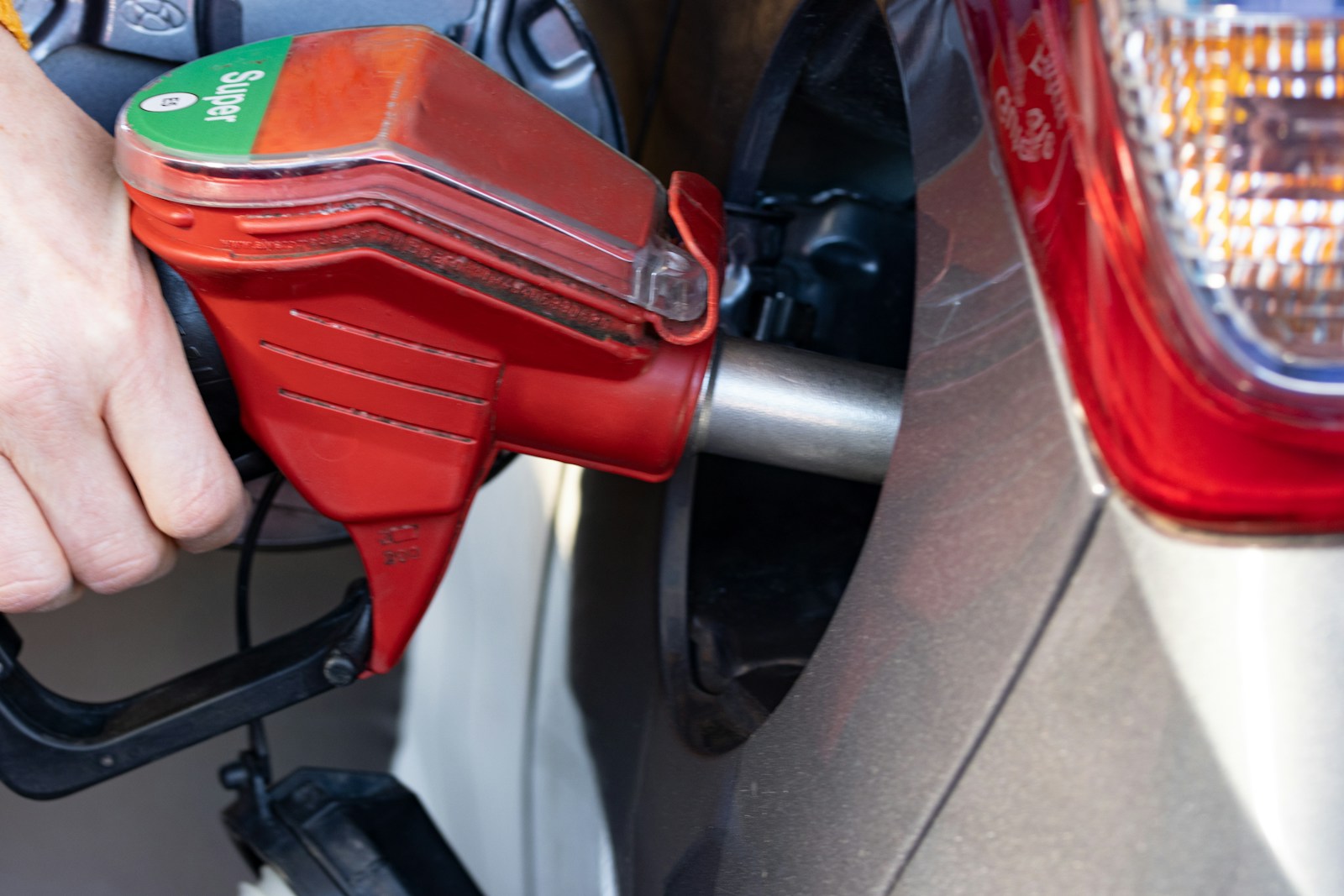
Most of us treat the gas station like a quick pit stop: pull in, tap a few buttons, zone out while the numbers spin, then roll on with our day. But the pump is one of those boring places where small habits quietly add up—sometimes into rough idles, check-engine lights, or fuel system headaches you didn’t sign up for.
The good news: you don’t need to become a car whisperer to avoid the common traps. A few simple changes can help your engine run cleaner and your wallet hurt less over time.
1) Topping off after the pump clicks
You know the move: the nozzle clicks off, but you squeeze in “just a little more” to round up to a nice number. It feels harmless, almost polite, like you’re finishing the job. The problem is that extra fuel doesn’t always stay where you think it does.
Modern cars have an EVAP system (evaporative emissions system) that captures fuel vapors and routes them to a charcoal canister. Overfilling can push liquid fuel into that system, which it wasn’t designed to handle. Over time, that can lead to EVAP faults, fuel smells, harder starts, and yes—an annoying check-engine light.
2) Using the wrong octane because it “sounds better”
Premium fuel has a fancy reputation, so it’s tempting to treat it like a vitamin upgrade for your engine. If your car calls for regular, though, higher octane doesn’t automatically mean more power or a cleaner burn. Octane is mainly about preventing knock in engines that need it, not about being “higher quality” in every situation.
On the flip side, using a lower octane than your owner’s manual recommends can cause knocking or force the engine to pull timing to protect itself. That can mean reduced performance and efficiency, and in severe cases it’s hard on the engine over time. The sweet spot is simple: use what the manufacturer specifies, not what your neighbor swears by.
3) Filling up while the underground tanks are being refilled
Ever pull up and notice a fuel truck unloading into the station’s tanks? That’s not the best time to fill. When stations get a delivery, sediment in the underground tanks can get stirred up, and that junk has a better chance of making its way toward your fuel tank.
Yes, stations have filters, and yes, your car has one too. But filters aren’t magic, and repeatedly feeding your fuel system a little extra grit isn’t doing your injectors any favors. If you can, grab a coffee and wait, or pick another station—your future self will thank you.
4) Habitually running the tank nearly empty
Plenty of drivers treat the fuel light like a suggestion. And while modern fuel pumps are durable, they’re also cooled and lubricated by the fuel they sit in. When you’re always skating on fumes, the pump can run hotter, which can shorten its life.
Also, any sediment or water that’s settled at the bottom of the tank is more likely to get pulled into the system when fuel is low. Most of the time you’ll be fine, until one day you’re not—and “mystery misfire” is not a fun game. A good rule of thumb is to refill when you’re around a quarter tank, especially in hot weather or long commutes.
5) Using cheap, inconsistent fuel from sketchy stations
Not all gas is dramatically different, but station practices can be. High-volume stations tend to have fresher fuel, better-maintained pumps, and fewer “how long has that been sitting there?” vibes. Tiny stations with low traffic can have older fuel and more moisture issues, especially if their tanks aren’t well maintained.
Another factor is detergent additives. In many regions, “Top Tier” fuel standards require a stronger detergent package that can help keep injectors and intake valves cleaner over time. You don’t have to be loyal to one brand like it’s a sports team, but sticking with reputable, busy stations can reduce the odds of fuel-related problems.
6) Not tightening the gas cap (or ignoring cap warnings)
The gas cap is the least glamorous part of your car, which is exactly why it gets neglected. If it’s loose, cracked, or not sealing properly, the EVAP system can’t hold pressure the way it’s designed to. That can trigger a check-engine light and, in some cases, cause rough running or reduced fuel economy.
Many cars will even tell you “tighten fuel cap,” which feels like your car gently roasting you in public. Take the hint. Twist until it clicks (or follow the cap’s instructions), and if the seal looks worn, replacing the cap is usually cheap and surprisingly effective.
7) Mixing up fuels or additives without thinking it through
Misfueling happens more than people admit—especially with diesel nozzles that sometimes fit, or with drivers switching between E10, E15, and higher ethanol blends without checking what their car can handle. Ethanol content matters because higher blends can run leaner in engines not designed for them, potentially causing drivability issues and long-term wear.
Additives can be another “sounds good in theory” trap. Some are fine, some are unnecessary, and a few can loosen deposits that end up clogging filters or injectors if you’re unlucky. If you’re considering an additive, check your owner’s manual first and stick to reputable products used as directed—more isn’t better, it’s just more.
The small habits that pay off
If all of this feels a little picky, that’s because fuel systems are picky. They’re precise, sealed, and designed around certain assumptions—like you won’t overfill the tank or run it empty every week. The pump is where those assumptions get tested.
The simplest “pump routine” is also the best: buy the right octane, avoid topping off, tighten the cap, and choose a station you trust. Do that consistently, and you’ll likely dodge a lot of slow-burn engine issues that show up years later as costly, confusing repairs.