

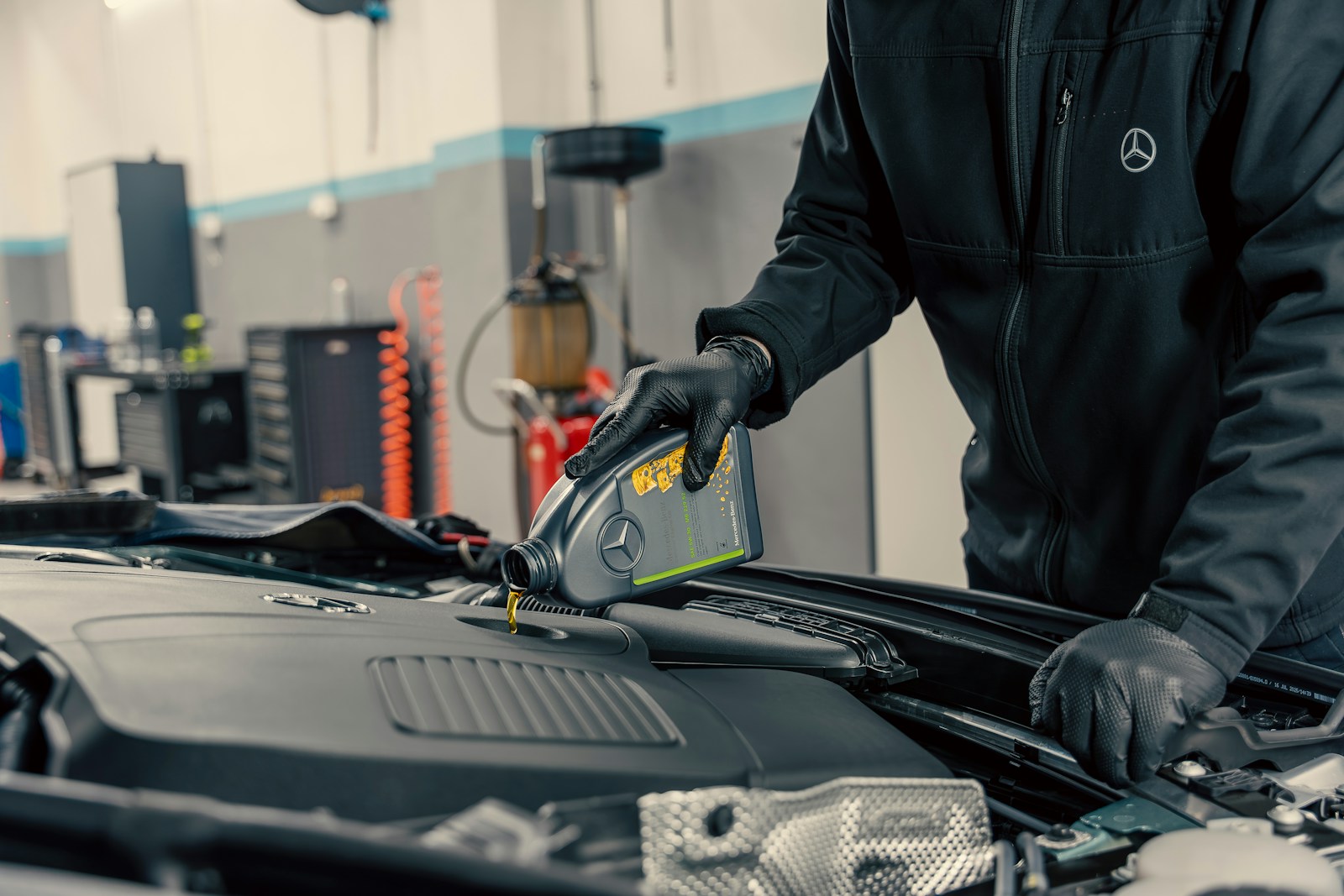
Oil changes are one of those car-maintenance chores that feel simple—almost boring. But that’s exactly why people get tripped up: a little “close enough” thinking here can turn into sludge, wear, and expensive engine drama later. The good news is most oil-change mistakes are easy to avoid once you know what they look like.
1) Waiting too long because “the car seems fine”
Engines are polite. They don’t usually complain loudly until damage is already in progress, so “it still runs great” isn’t a reliable oil-change strategy. Oil breaks down over time from heat cycles, moisture, and contaminants, even if you don’t drive much.
If you’re stretching intervals because you’re busy (or just optimistic), you’re gambling with increased friction and deposits. Follow your owner’s manual, and if your driving is lots of short trips, stop-and-go traffic, towing, or extreme temps, stick closer to the “severe service” schedule. That’s not car-company paranoia—it’s how oil life works in the real world.
2) Using the wrong oil viscosity or spec
Oil isn’t just “oil.” Your engine is designed around a specific viscosity (like 0W-20 or 5W-30) and often a specific standard (API SP, ILSAC GF-6, Dexos, or a manufacturer approval). Using something “close” might still lubricate, but it can hurt cold-start protection, fuel economy, or high-temp wear resistance.
Turbo engines and modern direct-injection setups can be especially picky. If your cap says 0W-20 and you pour in 10W-40 because it was on sale, you’re not being thrifty—you’re freelancing with engineering. When in doubt, check the manual, not the internet comment section.
3) Choosing bargain oil filters (or the wrong filter entirely)
The oil filter is the bouncer at the club, and cheap ones sometimes wave trouble right in. A low-quality filter may have less filter media, weaker end caps, or a flimsy anti-drainback valve. That can mean more junk circulating through the engine and more dry starts when oil drains out of the filter overnight.
Also, “it fits” isn’t always “it’s correct.” Some engines need a specific bypass valve pressure rating, and the wrong one can reduce filtration or restrict flow. If you don’t want to overthink it, buy an OEM filter or a reputable brand that clearly matches your exact engine.
4) Overfilling or underfilling the oil
Oil level isn’t a “more is better” situation. Overfilling can cause the crankshaft to whip the oil into foam, and foamy oil doesn’t lubricate well—kind of like trying to drink a milkshake through a coffee stirrer. It can also increase crankcase pressure and stress seals.
Underfilling is the obvious villain: less oil means higher temps and less protection. After an oil change, check the dipstick on level ground, give the oil a couple minutes to settle, and aim for the proper mark—not “somewhere in the neighborhood.”
5) Not replacing (or double-stacking) the drain plug washer
That tiny crush washer on the drain plug looks like nothing, which is why it gets ignored. Reusing it too many times can lead to slow leaks, and slow leaks are sneaky—they don’t leave a dramatic puddle, just a gradually dropping oil level. If your car uses a replaceable washer, treat it like part of the job.
On the flip side, a classic DIY mishap is leaving the old washer stuck to the oil pan and installing a new one on top—so now you’ve got a little metal sandwich that never seals right. If you see a drip after a change, don’t just tighten harder and hope. Inspect the washer situation first.
6) Overtightening the drain plug or filter
Tight is good; “I used all my upper body strength” is not. Overtightening a drain plug can strip threads in the oil pan, and that’s when a cheap oil change turns into an expensive repair. Overtightening a filter can crush the gasket, make removal miserable, or cause leaks because the seal gets distorted.
The fix is wonderfully boring: use the correct torque spec if you have it, or follow the usual guidance—snug plus a small additional turn for the plug, and hand-tighten the filter after oiling the gasket (often about three-quarters of a turn after it contacts). If you’re using a wrench on the filter, it’s usually already gone too far.
7) Forgetting the “little steps” after the change
This is where perfectly smart people get humbled. Forgetting to refill after draining, leaving the oil cap off, not checking for leaks, or failing to reset the oil-life monitor can all cause trouble. The engine won’t magically know you meant well.
After the change, start the car and let it idle for 30–60 seconds, then look underneath for drips. Shut it off, wait a couple minutes, and recheck the dipstick. And yes, reset the oil-life reminder—otherwise you’ll either ignore a real alert later or get annoyed into delaying maintenance out of spite.
A quick reality check: your driving habits matter
Two cars can use the same oil and have totally different oil-change needs. If you do lots of short trips, the oil may never get hot enough to burn off moisture and fuel dilution, so it degrades faster. If you tow, drive in mountains, sit in traffic, or live where it’s blazing hot or bitter cold, your oil is working overtime.
The smart move isn’t obsessing over perfect intervals—it’s matching your maintenance to your actual life. Keep receipts or notes, check the level once in a while, and don’t ignore new leaks or burning-oil smells. Engines last a long time when you give them clean oil and a little consistency.
The bottom line
Most oil-change mistakes aren’t dramatic in the moment, which is why they’re so common. But the engine keeps score—every dry start, every low-oil mile, every cheap filter that lets grit circulate adds up. Do the basics carefully, use the right parts, and your engine will usually repay you with years of boring, reliable service—which is honestly the best kind.