

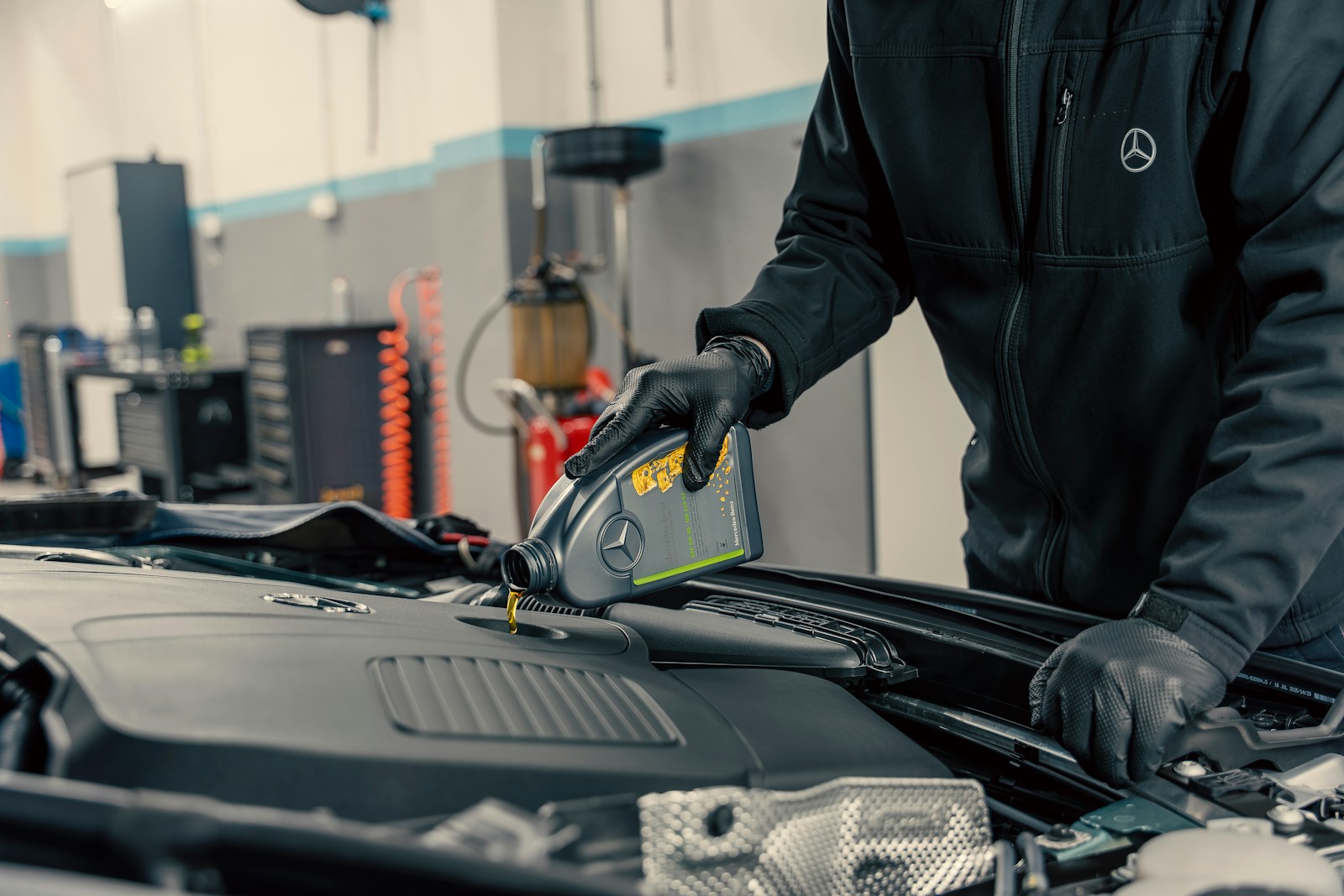
“High mileage” oil has become one of the most heavily marketed categories on the shelf, aimed squarely at owners of vehicles past 75,000 miles and promising to help with seal conditioning, reduced oil consumption, and even a quieter engine. Some of that marketing rests on genuine chemistry. Some of it leans on the same kind of dramatic, hard-to-verify promises that got engine additives into regulatory trouble decades ago.
Here are seven marketing claims worth a skeptical read before paying the high-mileage premium.

Marketing That Implies Seal Repair Rather Than Seal Conditioning
High mileage oils typically contain seal conditioners designed to slightly swell and soften aging rubber seals, which can reduce minor seepage in some cases. The concern is marketing language that implies these oils can “repair” or “fix” a seal, when the accurate description is a modest conditioning effect on seals that aren’t yet badly degraded. A hardened seal that weeps a little may respond. A seal that is torn, a gasket that has split, or a mating surface that is warped will not, and those need a mechanical repair, not a bottle of oil. Tell the two apart before spending money. A damp, dusty film around the valve cover or oil pan with no drips on the driveway is seepage, and a high mileage oil is a reasonable thing to try for a couple of oil changes. Fresh drops under the car, oil on the exhaust, a burning smell, or a level that falls between top-offs means a shop should find the source first.
Products Echoing the Same Playbook as Historically Disputed Additives
The broader engine-treatment category has a documented history of regulatory pushback, including the FTC’s 1997 settlement with Quaker State subsidiaries over Slick 50’s wear-reduction claims. According to the agency, the challenged ads included a claim that the additive reduced engine wear by up to 50 percent for 50,000 miles, and the settlement required the companies to have competent and reliable evidence for future performance claims about engine lubricants. High mileage oil is a different product from an aftermarket additive, and that history doesn’t discredit any modern formula. It does give buyers a useful test. Dramatic before-and-after wear comparisons, percentages with no test named, and phrases like “up to” deserve the same question the FTC asked: what evidence supports this? Look for a named industry test, a stated comparison oil, and results from an independent lab. If the label or website offers none of that, treat the claim as advertising and judge the oil by its certifications instead.
Oils Marketed for “Reduced Oil Consumption” Without Diagnosing the Cause
An engine that uses oil between changes can have several different causes, from worn piston rings to tired valve seals to a simple external leak, and a high mileage oil’s seal conditioners can only help with a narrow subset of them. Marketing that broadly promises reduced consumption without acknowledging this can lead owners to keep pouring in oil instead of finding out why it is disappearing, masking a problem that is getting worse. Measure before you switch. Check the dipstick on level ground with the engine off, at the same point in your routine each time, and write down how many miles it takes to drop a quart. Look for clues to the cause, such as blue smoke from the tailpipe or oil spots under the car, and tell your mechanic when they appear. If consumption is rising from one oil change to the next, no bottle will reverse it, and letting the engine run low on oil does more harm than any oil choice can prevent.
Formulas Priced at a Significant Premium Over Standard Synthetic Oil
High mileage oil often costs more than a standard oil with the same viscosity grade and API certification, and that premium is harder to justify for a well-maintained older engine showing no seal-related symptoms. If the engine doesn’t leak or burn oil, a standard full synthetic at the correct viscosity may deliver essentially the same protection without the seal-conditioning additives it doesn’t currently need. Base oil quality is the upgrade with evidence behind it: AAA’s research found that synthetic oil outperformed conventional oil by an average of nearly 50 percent in its tests, at an added cost it put at about $64 a year for the average driver. Compare like with like at the shelf. Check the price per quart of the high mileage version against the same brand’s regular full synthetic in the same grade, and note whether the high mileage jug is a full synthetic or a blend. Paying more for a high mileage blend than for a regular full synthetic is hard to justify.
Products Claiming to Quiet Engine Noise Without Addressing the Source
Some high mileage oil marketing suggests the product can reduce engine noise and ticking. That can be true in a narrow sense, if the noise comes from slightly worn internal clearances that a thicker or better-conditioned oil film can partly cushion. But persistent ticking can also point to a mechanical problem, such as worn lifters or a timing chain issue, that no oil formulation will resolve. Treat a noise-reduction claim as a possible temporary mitigation, not a fix. Start with the free checks. A low oil level can cause valvetrain noise on its own, so read the dipstick before buying anything, and confirm the oil in the engine is the viscosity grade the owner’s manual specifies. Note when the noise happens: only on a cold start and gone within seconds, or constant and rising with engine speed. A noise that is new, getting louder, or accompanied by an oil pressure warning light needs a mechanic promptly. Don’t switch to a thicker grade than the manual lists just to quiet it.
Oils With Vague “Proprietary Blend” Language Instead of Disclosed Additives
Some high mileage formulas describe their seal-conditioning and anti-wear additives only in terms like “proprietary blend,” without naming the ingredients or their concentration. That makes it hard to compare one high mileage oil against another on anything beyond marketing language and price. Oil makers rarely publish full recipes, so the practical answer is to compare what is standardized. The American Petroleum Institute licenses service categories that appear on the label, and its current gasoline category, API SP, was introduced in May 2020 with requirements covering low-speed pre-ignition, timing chain wear, deposits and sludge. API says the latest category can be used in older engines that called for earlier ones, and that owners should check their manuals first. So look for the API symbol, the viscosity grade your manual specifies, and any automaker approval it requires. Many brands also post a product data sheet online listing measured properties. Meeting the right specifications matters more than a slogan.
High Mileage Synthetic Blends That Don’t Clearly State Their Actual Synthetic Percentage
Some high mileage oils sold as “synthetic blend” don’t disclose how much of the formulation is synthetic base oil and how much is conventional, information that affects both price expectations and performance. Nothing forces them to. AAA notes there are no standards for the ratio in a synthetic blend, which could contain 50 percent synthetic oil or 5 percent, with no way for a buyer to know. That makes “high mileage synthetic blend” one of the hardest labels on the shelf to evaluate, since both halves of the name are loosely defined. A few habits help. Read the front label for the words “full synthetic” if that is what you want to pay for, because “synthetic technology” and “synthetic blend” are not the same thing. Compare the blend’s price with the same brand’s full synthetic; when the gap is small, the full synthetic is the more predictable purchase. If a company states its synthetic content in a data sheet or answers the question when asked, count that in its favor.