
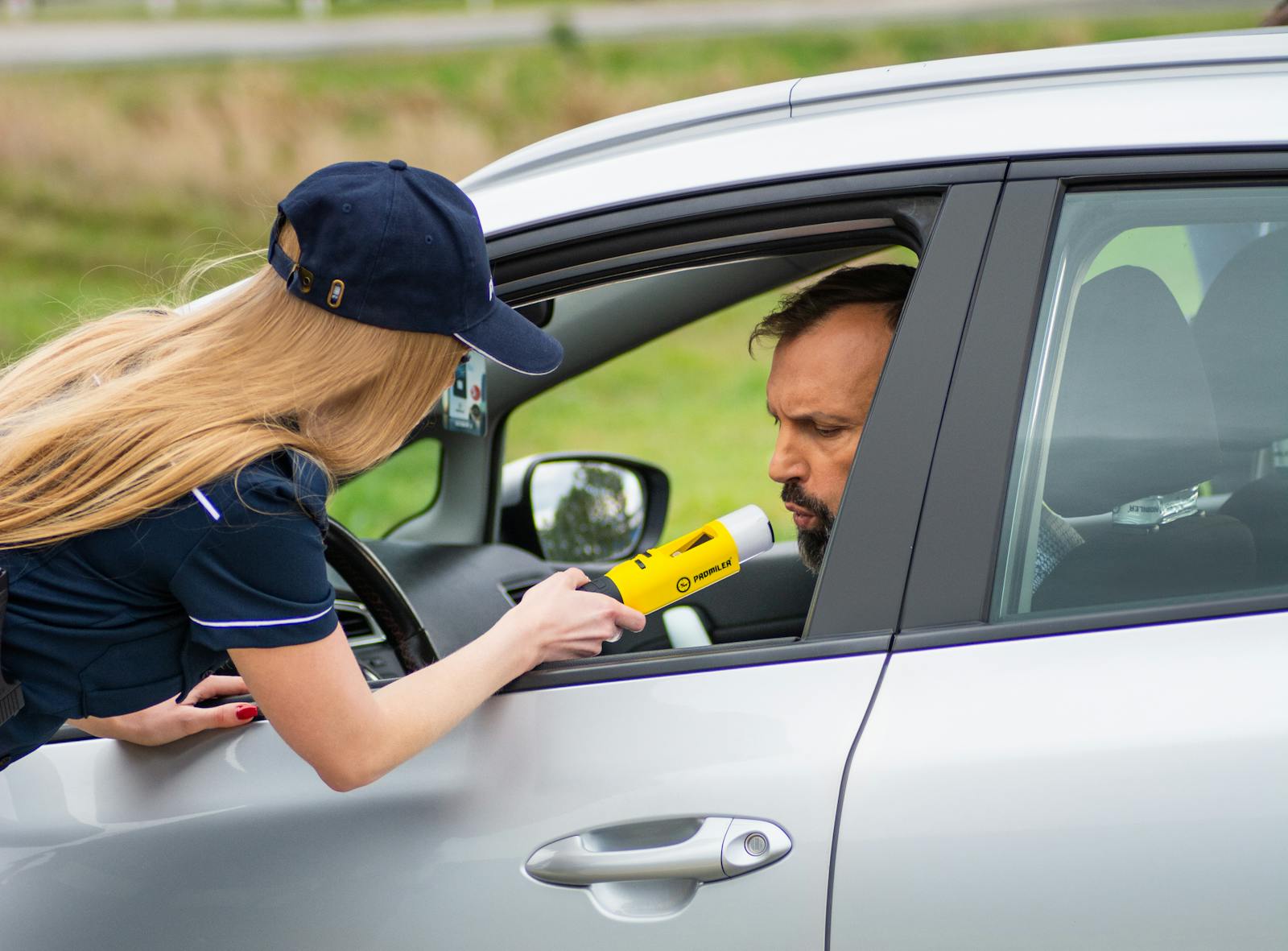

You don’t have to be doing anything “wrong” to catch a police officer’s eye. A lot of the time it’s about patterns, context, and that tiny gut feeling cops are trained to trust. And honestly, most people who end up in awkward run-ins aren’t criminals—they’re just tired, distracted, in a hurry, or accidentally acting like a character in a low-budget heist movie.
Think of this less as paranoia and more as a social skills cheat sheet for public spaces. If you’ve ever wondered why you got the long look from a patrol car, these are some surprisingly common reasons.
1) You keep circling the same area (even if you’re just lost)
Driving around a block three times because you can’t find parking is normal to you. To an officer, repeated loops around the same street can look like “casing” behavior—checking out homes, businesses, or cars. It’s not that they assume the worst; it’s that patterns matter more than intent when they’re scanning for trouble.
If you’re lost, GPS-fumbling, or waiting for someone, it helps to pull into a well-lit, legal spot and stop moving. Circling is what turns “harmless confusion” into “hmm, what’s going on here?”
2) You’re doing the classic “avoid eye contact” thing
A lot of people avoid looking at police because they don’t want to seem suspicious. The twist is: avoiding eye contact can read as nervousness, and nervousness can read as “I’m hiding something.” It’s unfair sometimes, but it’s also a human instinct—if someone looks like they’re trying not to be noticed, you notice them more.
You don’t have to smile like you’re running for office. Just a quick neutral glance that says, “Yep, I’m a regular person existing,” tends to land better than the hard stare at your shoes.
3) Your car screams “something’s off,” even when it’s just messy
No, a messy car isn’t a crime. But officers are trained to spot indicators that correlate with other issues: expired tags, missing plates, broken lights, severely tinted windows, or a windshield covered in cracks and stickers. Add a backseat that looks like a thrift store exploded, and it can tip the vibe into “worth a closer look.”
Sometimes it’s not about what’s inside your car—it’s about whether your car looks maintained and compliant. A working headlight and current registration do more for your “leave me alone” energy than you’d think.
4) You’re hanging around closed businesses or weirdly quiet places
Standing near an ATM at 2 a.m., sitting in a parked car behind a closed strip mall, or wandering around a shuttered storefront can draw attention fast. Those areas are common spots for break-ins, drug deals, and theft, so officers often patrol them with a sharper filter. Even if you’re just waiting for a friend or taking a phone call, the setting does half the storytelling.
If you need to stop somewhere, choose a well-lit public area where people normally linger—gas stations, 24-hour diners, busy parking lots. Context is everything, and quiet places at odd hours rarely look innocent from the outside.
5) Your movements look “busy” in a way that feels nervous
Fidgeting, pacing, repeatedly checking pockets, opening and closing your trunk, or constantly scanning around can read as agitation. You might just be hunting for your earbuds or trying to remember where you parked. But to an officer watching from across the street, that body language can look like you’re gearing up for something or trying to avoid being seen.
This one’s tricky because stress makes people act stressed. Still, if you realize you’re doing a lot of frantic little motions, pause for a second, breathe, and get deliberate. Calm is contagious—even to observers.
6) You match a “recent call” description more than you realize
This is the uncomfortable truth: sometimes police attention has nothing to do with you personally. It’s about timing and a vague description from a 911 call—“dark hoodie,” “blue sedan,” “person with a backpack,” “someone on a bike.” That can describe half the city on any given day, but it’s often what officers have to work with.
If you’re out in a common outfit (hoodie, cap, mask in winter, backpack) near an area where something just happened, you might get a second look. It doesn’t mean you did anything; it means you accidentally fit a rough sketch of someone else’s problem.
7) You’re filming, arguing, or escalating a situation in public
Recording in public is often legal, but it can still attract police attention—especially if there’s already tension in the air. Same goes for heated arguments, loud confrontations, or anything that looks like it could turn into a fight. Officers respond to “disturbance” calls all the time, and bystanders rarely narrate events with nuance.
If you’re filming, stay calm and keep space. If you’re arguing, lowering your volume and stepping aside can keep “personal drama” from getting upgraded to “official situation.”
A quick reality check (and a few practical habits)
None of these signs mean you’re doing something illegal, and none guarantee you’ll be stopped. They’re just common triggers for attention—little flags that, when combined with the wrong place and time, can make you stand out. Most officers are scanning for anomalies, and the weird part is that “lost,” “stressed,” and “in a hurry” can look like anomalies.
If you want to blend back into “regular citizen” mode, the basics help: keep your car’s paperwork and lights in order, don’t loiter in sketchy locations, and try not to move like you’re late for a secret mission. And if you do get approached, being calm and straightforward usually makes the whole interaction shorter and less stressful for everyone involved.
More from Steel Horse Rides: