

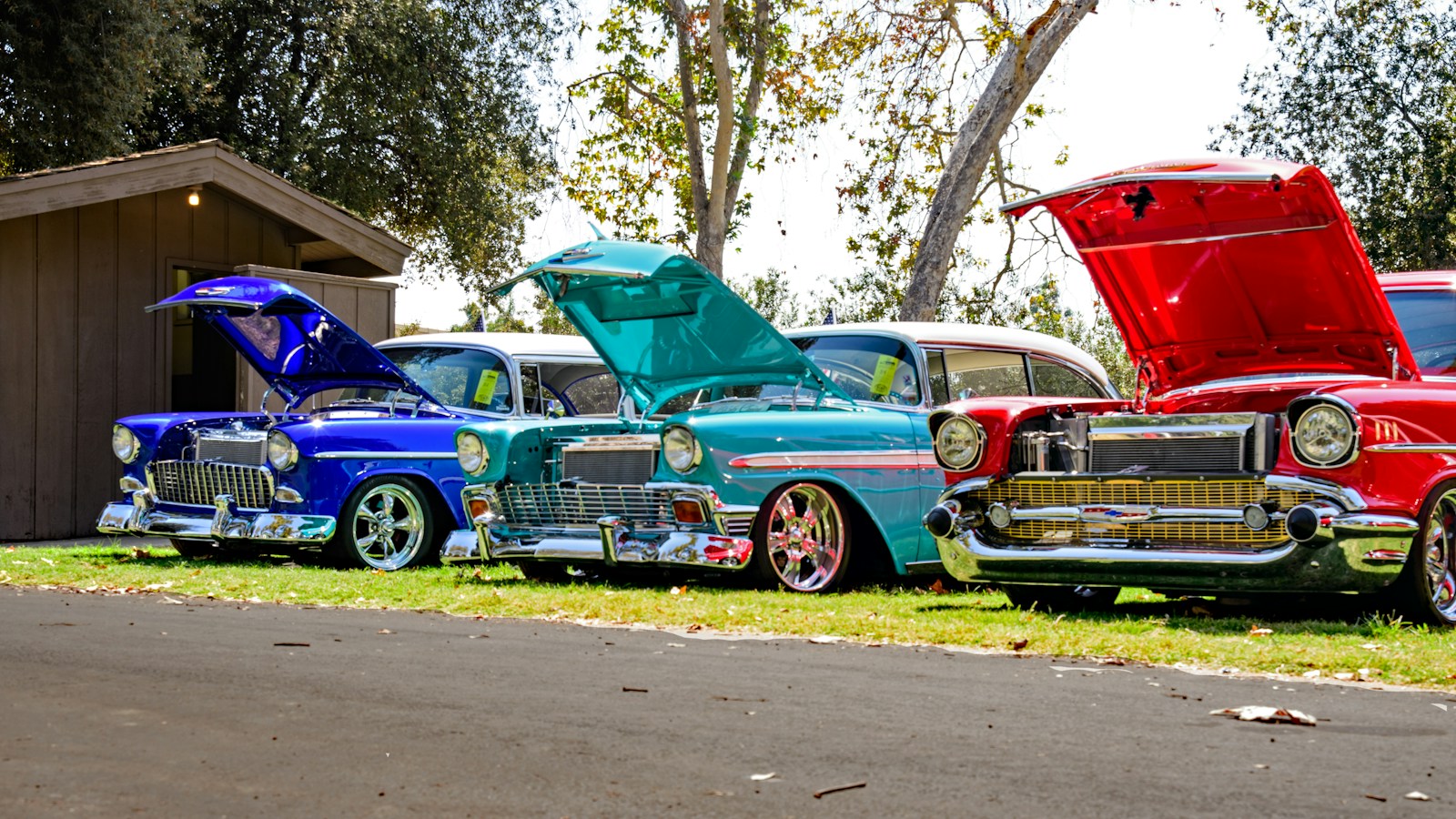
Every generation eventually decides its childhood driveway was better than yours, and for gearheads, that usually means singing the praises of chrome bumpers, big-block V8s, and dashboards you could land a plane on. There’s real magic in those cars — the sound, the shapes, the way a hood seemed to stretch to the horizon. Nobody’s arguing that.
But nostalgia has a way of sanding off the rough edges, and classic cars had plenty of them. Anyone who actually daily-drove one of these machines back when they were new — or who’s tried to keep one running today — knows the full story is a lot less romantic than the poster on the garage wall suggests. Here’s what tends to get left out of the reminiscing.
Drum Brakes That Faded When You Needed Them Most
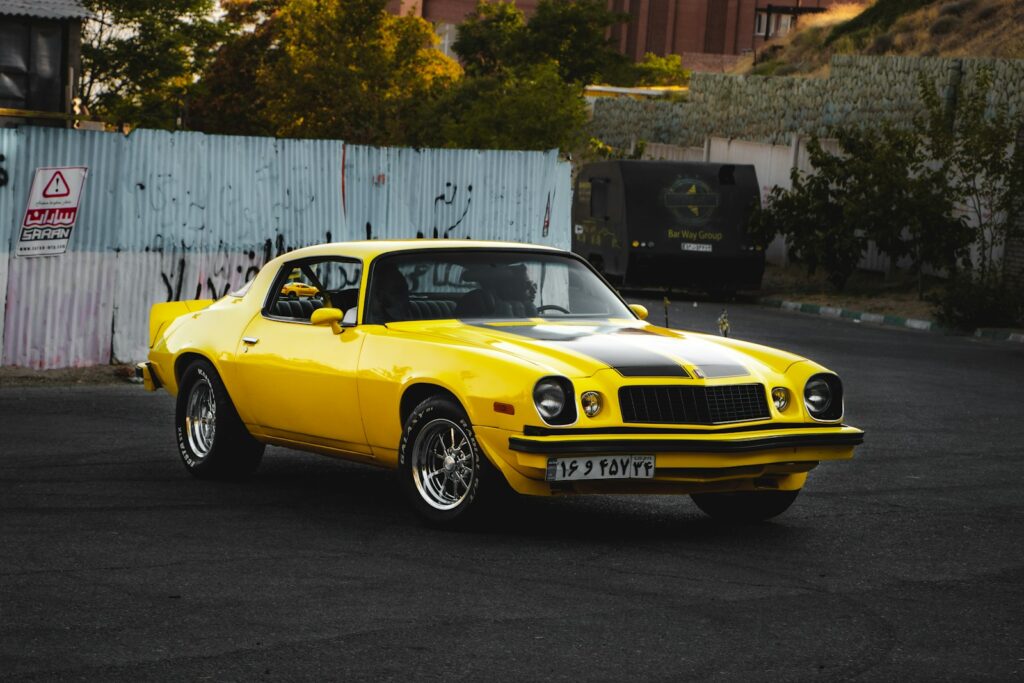
Four-wheel drum brakes were standard equipment on the vast majority of American cars well into the 1960s and beyond, and they were never built for the kind of stopping power modern drivers take for granted. Drums trap heat instead of shedding it, so on a long downhill run or after a couple of hard stops in a row, the brakes could “fade” — pedal travel increasing, stopping distances stretching out. Front disc brakes slowly became more common through the late 1960s and 1970s, but plenty of classics on the road today still rely on technology that simply couldn’t keep pace with V8 horsepower. Drivers compensated by leaving more following distance and downshifting on hills, habits that have mostly disappeared now that even economy cars stop on a dime. The same car capable of a quick quarter-mile might need a small novel’s worth of pavement to come back down from highway speed, and that gap between go and stop was just accepted as part of owning something old.
Air Conditioning Was a Luxury, Not a Given
Factory air conditioning existed in the classic era, but it was expensive, heavy, and far from universal, which meant a huge number of cars — including plenty of desirable performance models — left the factory with nothing but a vent window and hope. Summer road trips meant rolled-down windows, sweat-soaked upholstery, and a very intimate relationship with whatever the outside temperature happened to be doing. Even when A/C was optioned, early systems were noticeably less powerful than what came later, often struggling to keep up in true summer heat, especially with dark paint and dark vinyl interiors soaking up sun like a skillet. Buyers who wanted comfort paired with performance sometimes discovered that the compressor and its plumbing ate into engine bay space and occasionally sapped a bit of power. The result is that a lot of the cars people romanticize today were, in their original form, genuinely uncomfortable for a solid third of the calendar year, and that’s before accounting for the vinyl seats that could reach skillet temperature in direct sun.
Bias-Ply Tires Made Every Corner an Adventure
Before radial tires became the default, most cars rode on bias-ply rubber, which had a stiffer sidewall construction, less predictable grip, and a tendency to wander at highway speed. Radials offered better fuel economy, longer tread life, and more stable handling, but they took years to fully displace bias-ply tires in American showrooms even after their advantages were well understood. That meant classic-era drivers dealt with tires that could feel vague mid-corner, that hydroplaned more readily in the rain, and that gave noticeably less feedback than what any modern driver would consider normal. Combined with recirculating-ball steering boxes that prioritized ease of parking-lot maneuvering over precision, the net effect was a driving experience where the car told you a lot less about what the front tires were doing. Enthusiasts who restore classics today often quietly upgrade to radials for exactly this reason, trading a bit of period authenticity for the ability to actually place the car where they want it.
Rust Was Basically a Design Feature
Rust-proofing, galvanized steel, and factory undercoating became serious priorities for automakers largely because owners got tired of watching rocker panels and wheel wells dissolve within a handful of winters. Classic-era body panels were often thin-gauge steel with minimal corrosion protection, and once road salt, moisture, and time got involved, the results could be dramatic — floor pans you could see the pavement through, trunk floors that no longer trusted a spare tire’s weight. Regions that salted their roads heavily saw classics disappear from daily use far faster than warmer, drier climates did, which is part of why so many surviving originals today come from the Southwest. Owners who wanted their car to last had to actively fight the process with regular undercoating, garage storage, and constant vigilance in ways that feel almost old-fashioned now. It’s a big reason so many “barn find” restorations are really rust-repair projects wearing a nicer name, with more time spent on metal fabrication than on the engine everyone actually wanted to talk about.
Carburetors Needed Constant Coaxing
A well-tuned carburetor can make an engine sing, but “well-tuned” was a moving target that shifted with altitude, humidity, and temperature, and classic car owners spent a lot of quality time with a screwdriver because of it. Cold mornings meant choke routines that had to be learned by feel, hot restarts could mean vapor lock and a frustrating no-start, and a carburetor that was perfect in July might run rich or lean by October. Fuel injection eventually solved most of these headaches by metering fuel electronically and adjusting in real time, but that technology didn’t become standard across the industry until decades after most classics were already on the road. Owners today who want their carbureted classics to start reliably in all conditions often quietly upgrade jets, rebuild kits, or even swap in modern electronic ignition to smooth out what was, in period, a genuinely fussy system. The romance of “wrenching on your own car” often just meant compensating for a fuel delivery system that couldn’t compensate for itself.
Seatbelts Were an Afterthought, Not a Standard
It’s easy to forget that seatbelts weren’t federally required equipment in new American cars until relatively late — a 1968 federal safety standard mandated that new cars be equipped with them, and even after that, actually wearing one was a matter of personal choice for years: New York became the first state to require it, in December 1984. Cars built before the 1968 standard might have no belts at all, or only lap belts up front and nothing in back, and dashboards were frequently hard, unpadded metal with protruding knobs and switches that turned a minor fender-bender into something far more serious. Crumple zones, as a deliberate engineering concept, barely existed; the philosophy in many classic designs was closer to building the car as rigid as possible, which sounds tough but transmits far more force to the occupants in a real collision. “They don’t make them like they used to” cuts both ways, and safety is one of the categories where the old days genuinely were worse.
Fuel Economy That Would Make You Wince Today
Big-block V8s making relatively modest horsepower by modern standards often did it while returning single-digit fuel economy, especially in city driving, at a time when gasoline was cheap enough that nobody worried much about it. That math flipped dramatically after the 1973 oil embargo sent prices climbing and buyers scrambling for smaller cars, exposing just how thirsty the average classic really was. Automatic transmissions of the era typically had only two or three forward gears, nowhere near as efficient at highway cruising as today’s six-, eight-, or ten-speed units, so engines spun faster and burned more fuel just maintaining speed. Add in the aerodynamics of a car styled like a shoebox or a wedge rather than shaped in a wind tunnel, and long highway trips became genuinely expensive propositions. It’s a fun bit of cognitive dissonance that the same enthusiasts who complain about modern crossovers sipping fuel will happily fill up a classic that gets worse mileage at half the power, purely because the exhaust note is better.