
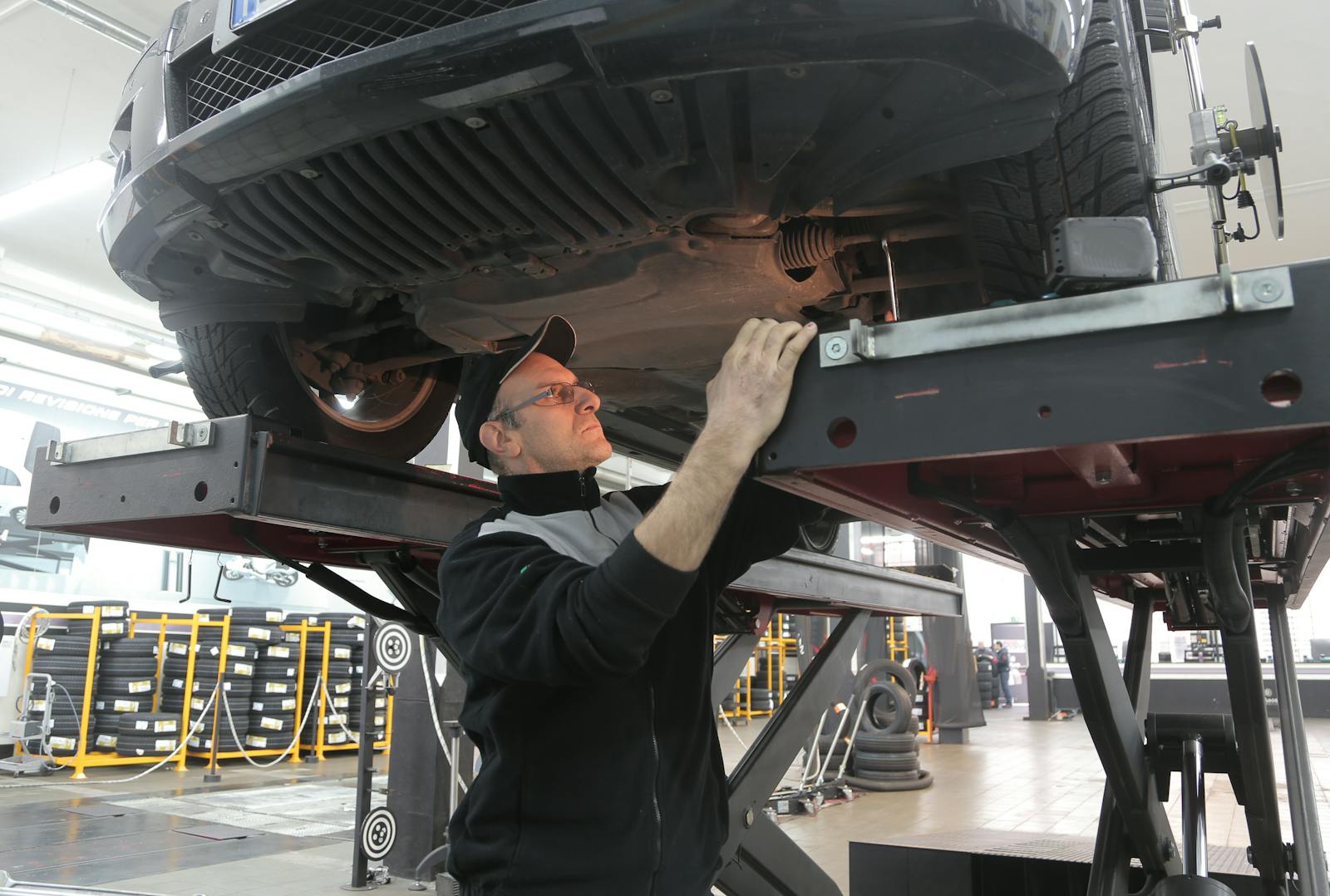

There’s a moment in every busy repair shop when a car rolls in and, before the hood is even popped, the mechanic already has a hunch. Maybe it’s the way it clunks into the bay, the smell of cooked coolant, or the driver’s “it only does this sometimes” face. And while nobody likes being the bearer of bad news, good techs don’t waste your money chasing miracles.
When a car is likely headed for the automotive afterlife, mechanics tend to check a handful of “big ticket” areas first. Not because they’re trying to be dramatic, but because these are the places where costs stack up fast and repairs snowball. Here are the seven checks that often decide whether a car gets saved… or politely put out to pasture.
1) The frame and structural rust (the “you can’t un-bend metal” test)
Surface rust is normal—annoying, but normal. What makes mechanics go quiet is structural rust: frame rails flaking apart, rotted subframes, suspension mounting points that look like lace, and pinch welds that crumble when lifted.
If the structure is compromised, it’s not just expensive; it’s a safety issue. Welding and fabrication can sometimes help, but on most everyday cars the labor cost quickly outruns the value of the vehicle. And if a shop can’t lift it safely, the conversation ends pretty quickly.
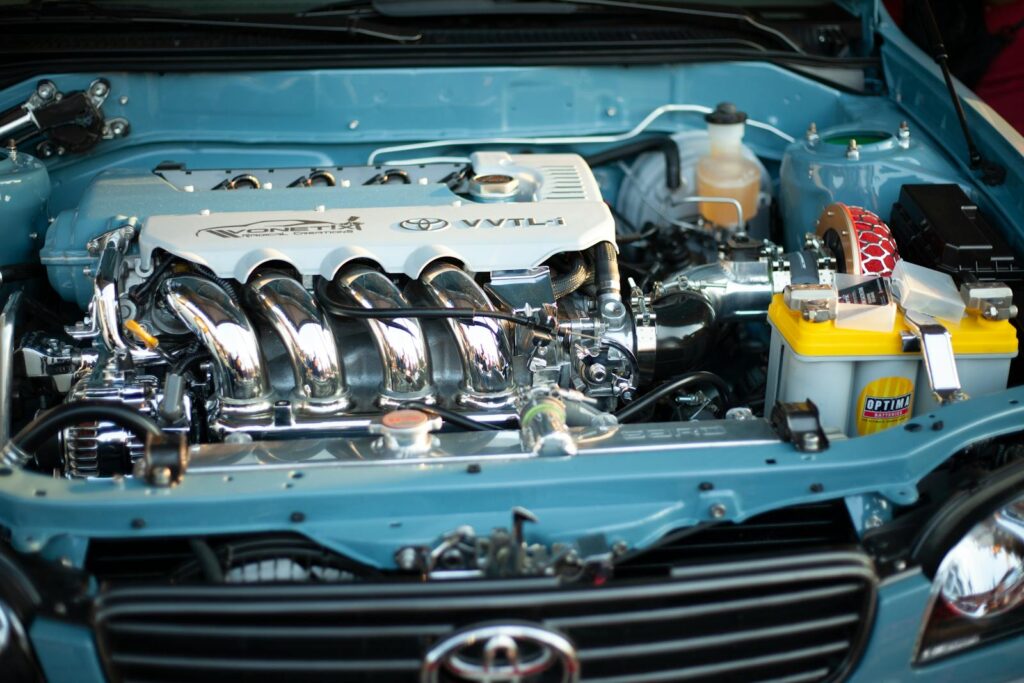
2) Engine health: compression, oil condition, and “is it already cooked?”
A lot of “dead car” stories start with the engine, because engines are basically money pits when they fail. Mechanics will look for obvious signs: milky sludge under the oil cap (coolant in oil), glittery oil (bearing material), loud bottom-end knocking, or a misfire that screams “low compression.”
If they suspect internal damage, they’ll often do a compression test or leak-down test. Bad numbers across multiple cylinders usually mean major repairs—rebuild or replacement. At that point, even a “cheap” used engine swap can turn into an expensive domino chain of mounts, sensors, hoses, and mystery surprises.
3) Transmission behavior and fluid (the silent budget killer)
Engines get the attention, but transmissions are the quiet assassins of car budgets. A mechanic will check the fluid color and smell (burnt is never a good cologne), scan for transmission codes, and pay attention to how it shifts: slipping, harsh engagement, delayed shifting, or refusing certain gears.
Rebuilding modern transmissions is specialized and pricey, and used replacements are a gamble. If the car already has high mileage and other issues, a failing transmission often tips it into “not worth it” territory fast.
4) Cooling system damage and overheating history
If a car has overheated repeatedly, mechanics get cautious for good reason. Overheating can warp cylinder heads, blow head gaskets, ruin catalytic converters, and generally turn a simple coolant leak into a full-on crisis.
They’ll look for crusty residue around the radiator, white stains near hose connections, swollen hoses, a water pump leak, or signs the system was run low. They’ll also check if the cooling fans work and whether the thermostat housing looks like it’s been “fixed” three times already. A car that’s been cooked once might survive; a car that’s been cooked five times is usually telling you who it is.
5) Electrical gremlins and wiring damage (especially from rodents or floods)
Electrical problems are where time goes to disappear. Mechanics will scan for codes, check battery/charging health, and look for obvious wiring damage—like brittle insulation, corroded connectors, or the charming handiwork of rodents who apparently enjoy soy-based wire coatings.
Flood damage is the real nightmare. A musty smell, foggy lights, corrosion in weird places, and multiple unrelated electrical issues can point to water intrusion. Once modules and harnesses start failing in a random, whack-a-mole pattern, it’s often cheaper to walk away than to keep paying for detective work.
6) Suspension, steering, and brake system corrosion (the “it won’t pass inspection” reality)
A car can run fine and still be a terrible financial decision if it can’t be made safe. Mechanics will look at brake lines, fuel lines, and hard-to-see metal lines under the car, especially in salt-belt areas where winter roads basically marinate everything in corrosion.
If brake lines are heavily rusted, that’s not a “maybe later” fix—those can burst. Add in worn control arms, leaking struts, rotted springs, seized calipers, and a steering rack that’s sweating fluid, and you’re staring at a repair list that can exceed the car’s value without even touching the engine.
7) The “stacked problems” pattern (aka: how many warnings is the car giving?)
This is the one people don’t expect: mechanics aren’t only judging one big failure. They’re reading the whole story. Multiple leaks, multiple warning lights, mismatched tires, a history of overheating, a dead A/C system, and a dashboard lit up like a holiday display usually means the car hasn’t been maintained—and now it wants repayment with interest.
They’ll also look for signs of past corner-cutting: silicone where a gasket should be, random bolts missing, electrical tape “repairs,” cheap parts installed incorrectly, or evidence that the car has been run low on oil. One bad repair can be fixed; a pattern of them is a lifestyle.
So what happens next?
If a mechanic says, “I don’t think it’s worth saving,” they’re usually trying to protect you from a slow financial bleed. A good shop will explain the biggest safety issues first, then the most expensive mechanical risks, and finally the “nice to have” stuff that can wait. You’re not being judged—you’re being given the clearest picture they can offer.
If you’re on the fence, ask two practical questions: “What would you do if it were your money?” and “What’s the minimum to make it safe and reliable for the next year?” If the answer involves major structural rust, a cooked engine, a dying transmission, and a handful of electrical mysteries, it’s probably time to start shopping. Not because you failed the car—because the car already made its decision.
More from Steel Horse Rides: