

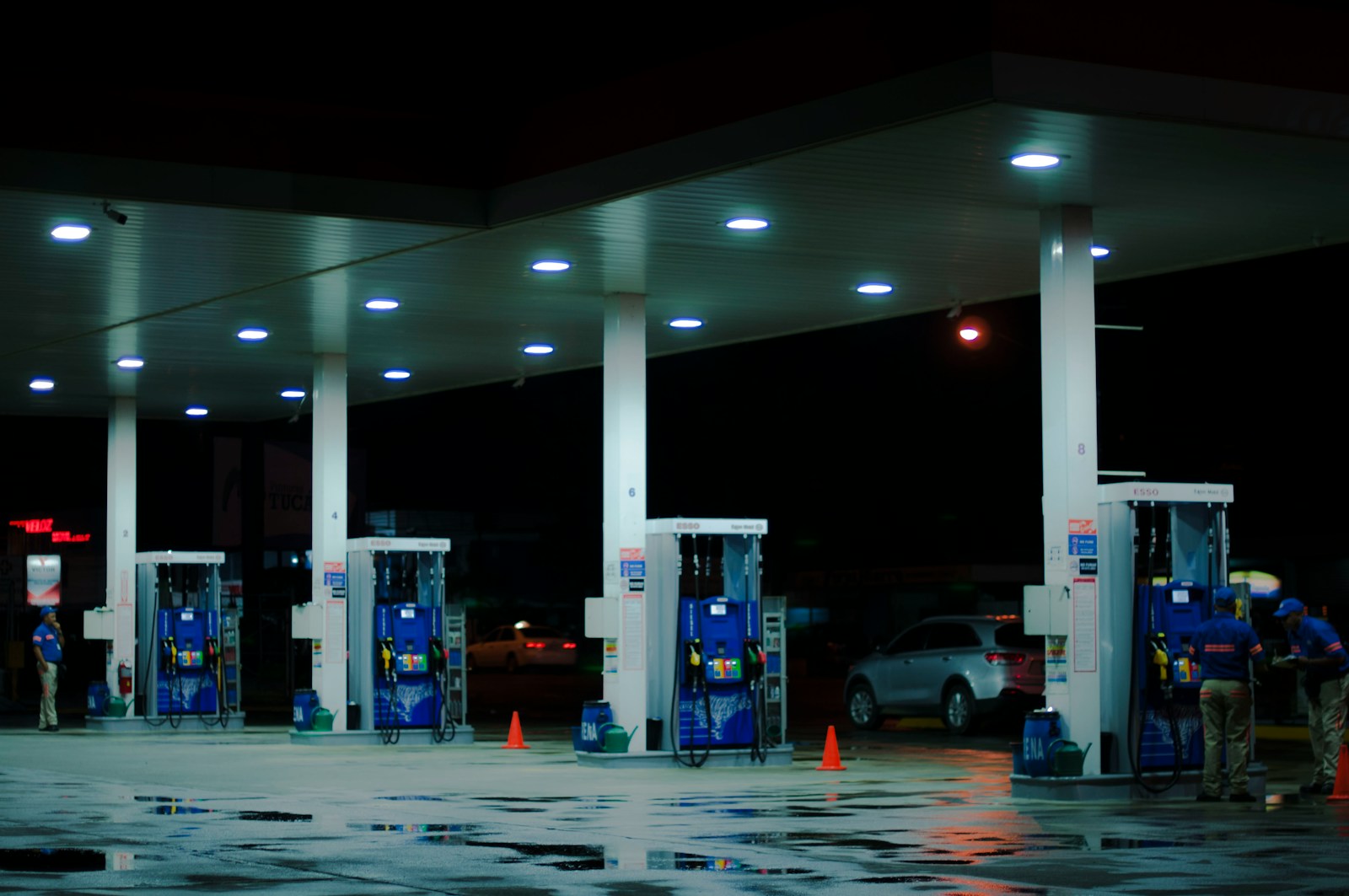
Most of us pick a gas station the way we pick a checkout line: whichever one seems easiest right now. Same street, same fuel, same price… right? Not always. The station you choose can quietly affect your engine, your wallet, your safety, and even how annoyed you’ll be five minutes from now when the pump freezes mid-fill.
Gas is a commodity, sure, but the whole “where you fill up” question is sneakier than it looks. Here are seven things that matter more than people think—especially if you plan on keeping your car for a while (or you just don’t enjoy chaos before work).
1) How busy the station is (fresh fuel is a real thing)
A station that’s constantly busy is usually a good sign. High turnover means the underground tanks are being replenished regularly, so the fuel is less likely to be sitting around for long stretches. It’s not that gasoline instantly “goes bad,” but it can degrade over time, and water contamination is more likely to become an issue in low-traffic tanks.
If you’ve ever pulled into a lonely station in the middle of nowhere and thought, “This place feels… dusty,” your instincts weren’t totally irrational. Busy stations also tend to maintain their pumps and grounds better—because people will absolutely complain, loudly, if things are gross.
2) Whether it’s Top Tier (and what that actually means)
“Top Tier” sounds like marketing fluff until you realize it’s a real standard backed by major automakers. Top Tier stations use a higher level of detergent additives than the minimum required by the EPA, which can help reduce carbon buildup on intake valves and fuel injectors over time. The short version: it’s a small thing that can make your engine a little happier in the long run.
Not every big brand is Top Tier everywhere, and some lesser-known brands are. If you’re curious, Top Tier maintains a public list, and once you start noticing the logo, you’ll see it a lot. If your car is direct-injected or you keep vehicles for the long haul, it’s worth paying attention to.
3) The condition of the pumps (because it hints at everything else)
You can tell a lot from a pump that looks like it’s survived three apocalypses. Cracked hoses, broken card readers, sticky buttons, missing nozzle boots—none of that means the fuel is automatically bad, but it does tell you what kind of maintenance culture you’re dealing with. If they’re not fixing the obvious stuff, they may not be vigilant about the less obvious stuff either.
Also, modern pumps are basically little computers, and when they’re glitchy, your morning gets weird fast. If the station can’t keep the basics working, you’re rolling the dice on everything from accurate metering to whether you’ll have to do the “move to pump #7, that one works” shuffle.
4) Timing: don’t buy fuel while the tanker is refilling the tanks
This one feels like an urban legend until you understand what’s happening underground. When a tanker truck is dropping fuel into the station’s tanks, it can stir up sediment that normally settles at the bottom. Most stations have filtration systems, yes, but why add extra turbulence to your day if you don’t have to?
If you pull up and see a tanker truck actively filling, consider coming back later or choosing another station nearby. It’s not guaranteed you’ll get dirty fuel if you don’t—but it’s a simple way to reduce a small, unnecessary risk.
5) Price per gallon is only half the math (rewards and “cheap” traps)
We all love saving a few cents per gallon, but don’t ignore the sneaky economics around it. Some stations post a great cash price and a not-so-great card price, or tack on “membership” pricing that only applies if you jump through a few hoops. Then there are loyalty programs that sound minor until you realize they’re basically giving you a discount for doing what you were already going to do.
Also, be wary of prices that look dramatically lower than every station in the area. Sometimes it’s a legitimate promo, sometimes it’s a station trying to win back traffic, and sometimes it’s a hint that corners are being cut somewhere else—maintenance, staffing, even basic cleanliness. Cheap gas isn’t fun if it comes with a side quest.
6) Lighting, layout, and the “I don’t like this vibe” factor
If a station feels sketchy, it’s okay to trust that feeling. Good lighting, clear sightlines, and a layout that doesn’t force you into awkward blind spots are real safety features, especially at night. The best stations make it easy to pull in, fuel up, and leave without feeling boxed in by other cars or hidden corners.
Pay attention to basics: working lights, visible cameras, and an attendant presence that isn’t “someone maybe in the back, theoretically.” It’s not paranoia—it’s just choosing the version of your evening that doesn’t include unnecessary stress.
7) Ethanol content and the right fuel for your specific car
Not all gasoline is the same in one important way: ethanol content. Most regular gas is E10 (up to 10% ethanol), and many cars handle it fine. But some vehicles—especially older cars, certain small engines, and some performance setups—may run better on ethanol-free fuel (often labeled “E0”) if it’s available and recommended.
Then there’s octane. If your car says it requires premium, it’s not being dramatic; it’s designed for it. If it recommends premium, you’ve got more flexibility, but it’s still worth understanding why—some engines will pull timing on lower octane, which can mean less power and sometimes worse mileage. The “right” station is the one that makes it easy to consistently buy the fuel your engine was built to use.
The takeaway: pick the station you’d want near your house
The best gas station isn’t always the closest one or the cheapest one on the sign. It’s the one that turns fueling into a boring, predictable errand—fresh fuel, working pumps, decent safety, and no surprise pricing gymnastics. That’s the dream.
Next time you’re choosing between two stations across the street from each other, look past the giant numbers for a second. Your car won’t send you a thank-you note, but it will quietly reward you with fewer headaches over time—and honestly, that’s plenty.