
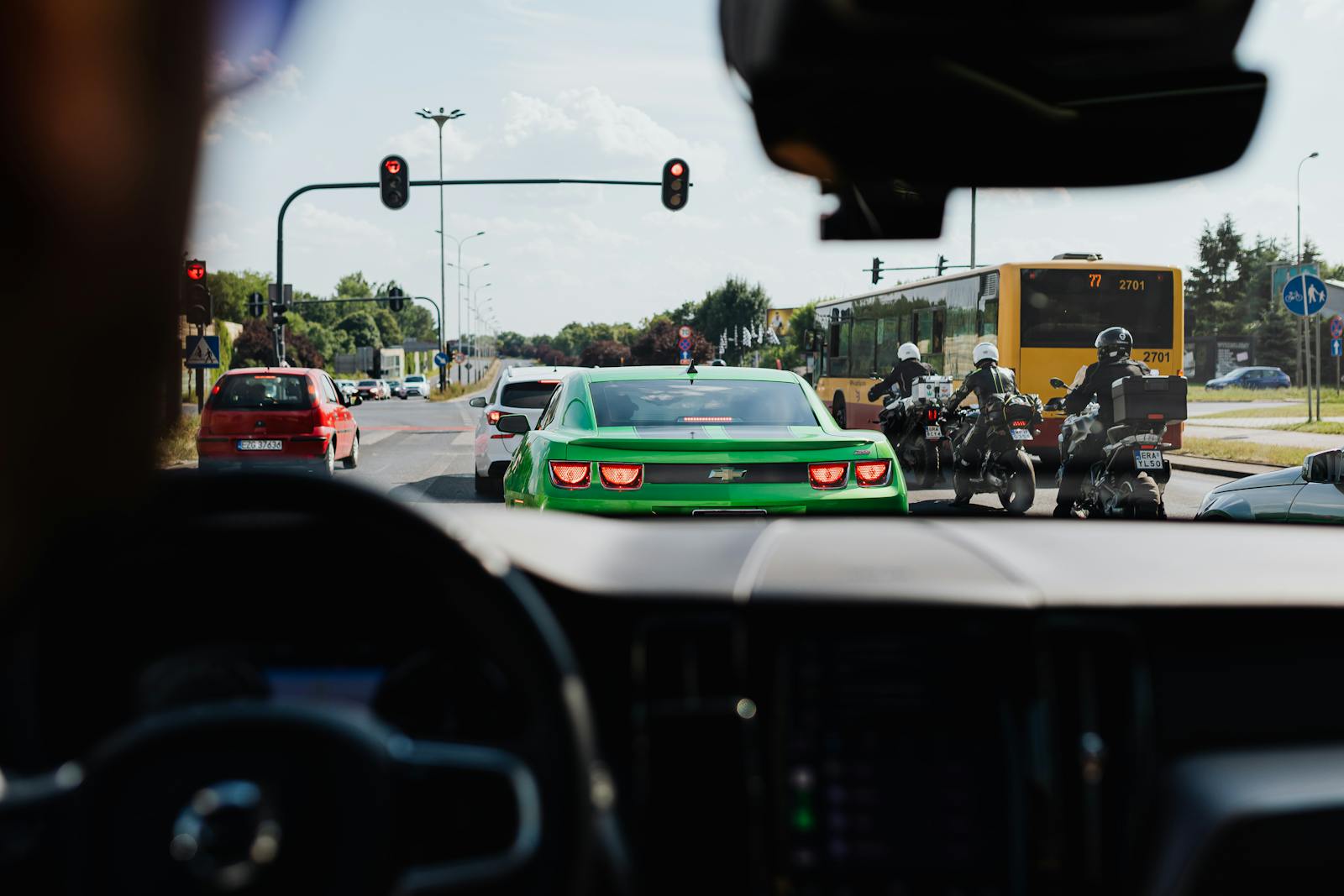

Most traffic stops start out pretty routine: lights flash, you pull over, everyone does the little “where do I put my hands?” dance. But the awkward part is that a normal stop can get tense fast—not because you’re “in trouble,” but because small, human mistakes pile up. And when you’re nervous, your brain tends to pick the worst possible coping strategy.
Here are seven common ways drivers accidentally crank up the stress level during a stop, plus what usually works better. None of this is about blame—it’s about understanding how things can look from the outside when you’re sitting behind the wheel with your heart doing a drum solo.
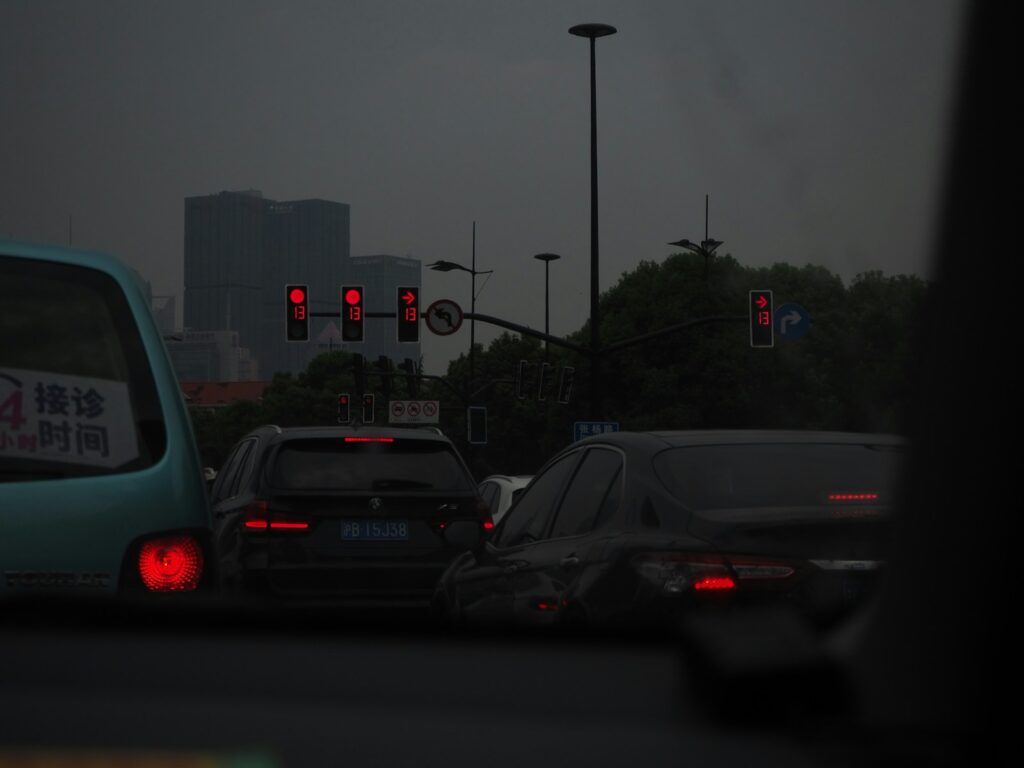
1) Pulling over in the most inconvenient (or sketchy) spot
When the lights come on, some people panic-stop immediately—half in a lane, near a curve, or on a narrow shoulder. Others keep driving so long it looks like they’re trying to escape, even if they’re just searching for a safer area. Either way, it can raise an officer’s alert level before a word is spoken.
Aim for the first safe, well-lit place you can reasonably reach: a wide shoulder, a parking lot, or a side street. Use your turn signal to show you’re cooperating, slow down smoothly, and pull over with enough space for everyone to feel safe. That simple “I’m trying to do this safely” message goes a long way.
2) Making sudden movements right as the officer walks up
The classic mistake is the frantic rummage: digging in the glove box, reaching under the seat, twisting around to grab a purse from the back. To you, it’s “I’m getting my documents ready.” To someone approaching your car, it can look like “I’m hiding something” or “I’m grabbing something.”
Better move: keep your hands visible on the steering wheel and wait until you’re asked. If your registration is in the glove compartment and your wallet is in your back pocket, say so before you reach. A quick, calm “My registration’s in the glove box—okay if I grab it?” removes most of the guesswork.
3) Talking your way into sounding combative (even if you don’t mean to)
Nerves make people chatty, sarcastic, or weirdly defensive. You might blurt out “I wasn’t speeding!” before anyone says you were, or you might argue every detail because it feels unfair. Even polite interruptions can come off as challenging when emotions are running high.
Try the simple script: answer what you’re asked, keep it short, and save your full debate for later. If you disagree, you can say, “I understand,” or “I didn’t realize,” without admitting something you don’t believe happened. Being calm isn’t “losing”—it’s keeping the temperature down.
4) Fumbling with documents like it’s an escape room
We’ve all been there: insurance card from 2019, a stack of takeout receipts, and a mysterious coupon for an oil change you never used. The longer you search, the more you look flustered, and flustered can read as evasive—even if you’re just disorganized. Plus, the more you move around the cabin, the more suspicious it can appear.
Before you drive, stash registration and insurance somewhere consistent, like a folder in the glove box. During the stop, move slowly and narrate what you’re doing. If you can’t find something quickly, it’s usually better to say, “I’m having trouble locating it—could you give me a moment?” than to keep thrashing around like you dropped a spider.
5) Reaching for your phone (even for “helpful” reasons)
People grab their phones to pull up digital insurance, call a spouse, check directions, or record the interaction. The problem is the movement itself—and the uncertainty about what you’re doing—can make things tense fast. And if you start filming in a dramatic, accusatory way, you’re basically tossing a match into a room full of gasoline fumes.
If you need your phone for insurance, say that clearly and ask before you pick it up. If you want to record, keep it simple: mount it, don’t wave it around, and keep your focus on the conversation. Most of the time, calm communication beats surprise phone gymnastics.
6) Trying to be “extra helpful” by getting out of the car
Some drivers step out to explain, to meet the officer halfway, or because they’re restless and want to “get this over with.” That can be interpreted as aggressive or unpredictable, especially at night or on a busy road. Even if your intentions are wholesome, it’s not a great moment for improvisation.
Unless you’re instructed otherwise, stay in the car with your seatbelt off and your hands visible. If you need to exit for a reason—like you’re told to, or there’s an emergency—say what’s happening and follow directions slowly. Predictability is your friend here.
7) Forgetting that passengers and the inside of the car count too
Drivers sometimes do everything right while their passenger is arguing, joking loudly, or digging through a bag like they’re looking for buried treasure. Or the driver’s windows are tinted, the cabin is dark, and nobody turns on interior lights, making the whole scene feel murkier than it needs to be. It’s not “fair,” but the vibe inside the vehicle affects the vibe of the stop.
If it’s safe, turn on the interior light at night and roll the window down enough to communicate clearly. Ask passengers to keep their hands visible and stay calm. A quiet car with clear visibility makes the interaction smoother for everyone, including you.
The small things that make a stop go smoother
You can’t control everything—maybe you’re late, maybe it’s raining, maybe your anxiety is doing cartwheels. But you can control clarity and calm: pull over safely, keep your hands visible, move slowly, and communicate before you reach. That’s the recipe that prevents misunderstandings from snowballing.
And if you walk away thinking, “Wow, I handled that better than I expected,” count that as a win. Most people aren’t trying to make a stop worse—they’re just human, in a high-pressure moment, doing their best. A little preparation and a little steadiness can turn the whole thing from tense to routine in about two minutes.
More from Steel Horse Rides: