

Windshield washer fluid seems like the last place you’d expect brand or formulation to matter much, but the temperature rating printed on the jug is one of the more consequential specs on any bargain shelf. A fluid rated to a certain freezing point can turn to slush in the reservoir during a genuine cold snap, leaving you with no way to clear road salt and grime off the windshield exactly when visibility matters most.
Discussions among drivers on forums like BobIsTheOilGuy return to the same handful of pitfalls again and again. Here are seven situations worth understanding before your next fill-up.
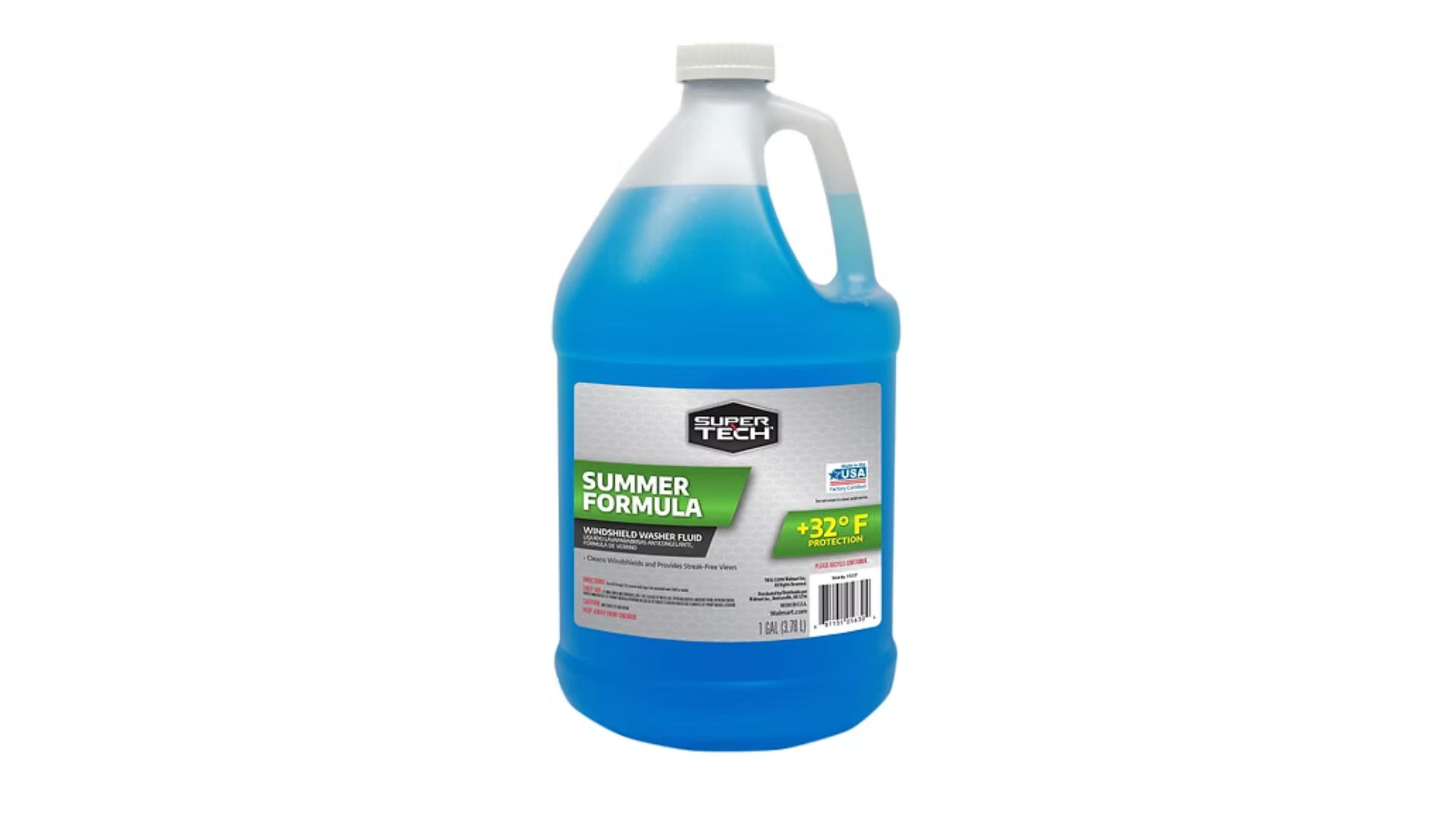
Summer-Formula Fluid Used Year-Round in Cold Climates
Many washer fluids sold in warm months are formulated primarily for bug and grime removal rather than freeze resistance, often carrying a freezing point rating no lower than 32 degrees Fahrenheit. Drivers who buy whatever’s cheapest at a summer fill-up and don’t swap to a winter formula before the first freeze risk a solid block of ice in the reservoir, which can also crack fluid lines or the reservoir itself if it expands while frozen. Checking the freezing point rating printed on the jug, not just the price, is worth the extra few seconds before a purchase heading into fall.
Dollar-Store Fluid With No Printed Freeze Rating
Some of the cheapest washer fluid options, commonly found at dollar stores and gas station convenience counters, don’t print a specific freezing point rating on the label at all, leaving buyers to guess whether it’s suitable for their climate. Discussion threads on BobIsTheOilGuy about cheap washer fluids generally recommend sticking with brands that clearly disclose a freezing point, since the absence of that information is itself a reasonable signal to look elsewhere for winter driving.
Fluid Diluted With Water by Sellers or Owners
Washer fluid concentrate diluted improperly, whether by a seller cutting costs or an owner trying to stretch a jug further by adding water, raises the effective freezing point well above what the original formulation was rated for. This is a self-inflicted version of the same cold-weather failure mode, and it’s a good reason to buy washer fluid pre-mixed and rated for your climate rather than attempting to dilute a concentrate without knowing the correct ratio for your specific temperature range.
Fluid That Leaves Streaking on Hydrophobic Windshield Coatings
Vehicles treated with a hydrophobic windshield coating or a rain-repellent product can see streaking or smearing issues with certain washer fluid formulations that aren’t chemically compatible with the coating, an interaction that isn’t always disclosed on either product’s packaging. Forum discussions among owners who apply products like Rain-X have flagged this compatibility issue as a source of confusion when a normally reliable washer fluid suddenly starts leaving streaks after a coating application.
Bug-Removal Formulas With Strong Solvents on Fresh Paint or Trim
Washer fluids marketed specifically for aggressive bug and tar removal often use stronger solvents than a standard all-season formula, and overspray from these products can occasionally affect fresh paint, vinyl trim, or plastic headlight lenses with prolonged exposure. This is a narrow concern most relevant to newly painted or detailed vehicles, but it’s worth checking a strong-solvent formula’s compatibility notes before use on a recently refinished surface.
Fluid Purchased in Bulk and Stored Improperly for Extended Periods
Washer fluid stored in extreme heat for a long period, such as a garage or shed that reaches high temperatures in summer, can see some of its active cleaning agents degrade over time, reducing effectiveness even before the jug is opened. Buying in bulk to save money is a reasonable strategy, but it’s worth checking that storage conditions won’t undermine the fluid’s performance before you actually need it months later.
Fluid Rated for Moderate Cold Used in Extreme Sub-Zero Conditions
Even a fluid rated to a respectable negative temperature, such as negative 20 degrees Fahrenheit, can still be inadequate for the most extreme sub-zero conditions found in parts of the northern United States and Canada, where temperatures can drop well beyond that threshold during a serious cold snap. Drivers in these regions generally need to seek out the coldest-rated formulations specifically marketed for extreme winter conditions, rather than assuming a standard winter fluid’s rating covers every scenario their climate might produce.