

You want a used car that won’t surprise you with big repair bills or stubborn reliability problems, and this article helps you avoid the worst choices on the market. You’ll learn which models frequently cause trouble and why steering clear can save you time, money, and headaches.
Move through this guide to spot common red flags—like known mechanical failures, high ownership costs, and poor long-term value—so you can shop with confidence and avoid costly mistakes.
Jeep Compass (2017-2021)
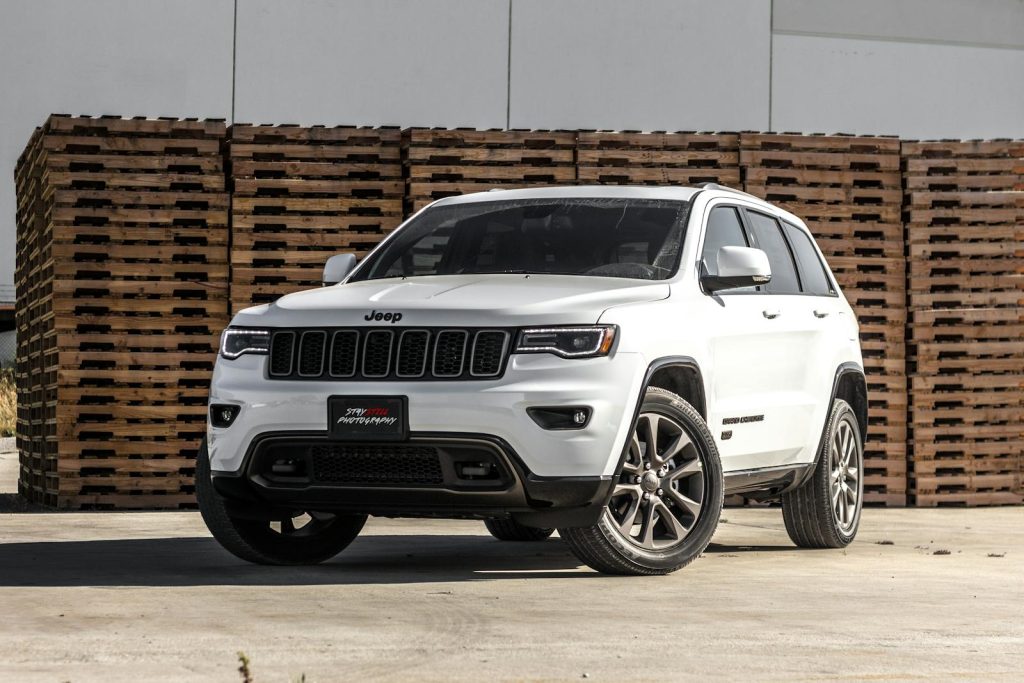
You may find these Compasses with attractive styling, but many owners report frequent electrical glitches and transmission issues.
Repairs can be costly and recurring, so expect higher maintenance bills than for rivals.
If you’re buying used, get a full service history and a pre-purchase inspection focused on the transmission and electronics.
Consider models with extended warranties or certified pre-owned coverage to reduce your financial risk.
Chevrolet Silverado 1500 (2014-2018)
You should be cautious with Silverados from 2014–2018 because several model years in that range reported frequent engine, oil consumption, and HVAC problems.
Repairs for engine and transmission issues can be costly, and some owners also experienced electrical quirks that affect comfort and drivability.
If you consider one, check service records, verify repairs were completed by a dealer, and get a pre-purchase inspection from a trusted mechanic.
A clean maintenance history can make a big difference for these model years.
Ford Fiesta (2014-2019)
If you’re shopping used, watch the Fiesta from 2014–2019 for transmission and powertrain complaints.
Many of these models use the PowerShift dual-clutch automatic, which can shudder, slip, or require costly repairs.
You may find low purchase prices, good fuel economy, and nimble handling.
Weigh those benefits against potential repair bills and check service history and any extended-warranty coverage before you buy.
Honda CR-Z (2011-2016)
If you’re eyeing a used CR-Z, expect sporty looks and hybrid fuel economy but also limited rear space and modest power compared with modern alternatives.
Some model years reported reliability complaints and hybrid system quirks, so check service records and have a mechanic inspect the battery and oil consumption history.
You’ll enjoy nimble handling for city driving, but prioritize examples with full maintenance history to reduce the risk of costly repairs.
Volkswagen Tiguan (2018-2020)
You may find these years appealing for features and styling, but they carry higher-than-expected maintenance costs for some owners. Infotainment glitches and occasional electrical quirks were commonly reported, which can be annoying to fix.
Turbo and engine-related concerns appeared in a subset of examples, so check service records and look for oil leaks or unusual noises. Have a trusted mechanic inspect the car and insist on a test drive to confirm everything works as expected.
Nissan Versa (2015-2019)

You may find these Versas tempting for their low price, but expect common issues like transmission hesitation and electrical quirks on some model years.
Maintenance costs can climb if catalytic converter and MAF sensor problems surface, so check service records closely.
Have a mechanic inspect the transmission and emissions components before you buy.
A thorough pre-purchase inspection and a clean maintenance history protect your wallet and reduce surprise repairs.
Fiat 500 (2012-2018)
You’ll enjoy the Fiat 500’s charm and city-friendly size, but many model years from 2012–2018 had recurring reliability issues. Electrical gremlins, faulty accessories, and occasional engine or transmission faults show up in owner reports.
If you’re shopping used, prioritize well-documented service history and a pre-purchase inspection. Models from 2017–2018 improved, so they’re safer bets than early-2010s examples.
More from Steel Horse Rides: