


You might love classic Chevrolets, but some vintage models missed the mark and taught the industry tough lessons. This article helps you spot the most notorious Chevy missteps — why they failed, what went wrong, and what those failures mean for collectors and enthusiasts today.
Expect clear, focused entries on well-known flops like the Corvair, Vega, Citation, and a few surprising others. You’ll get concise history, common problems, and why these cars earned their poor reputations so you can judge them for yourself.
Chevrolet Corvair
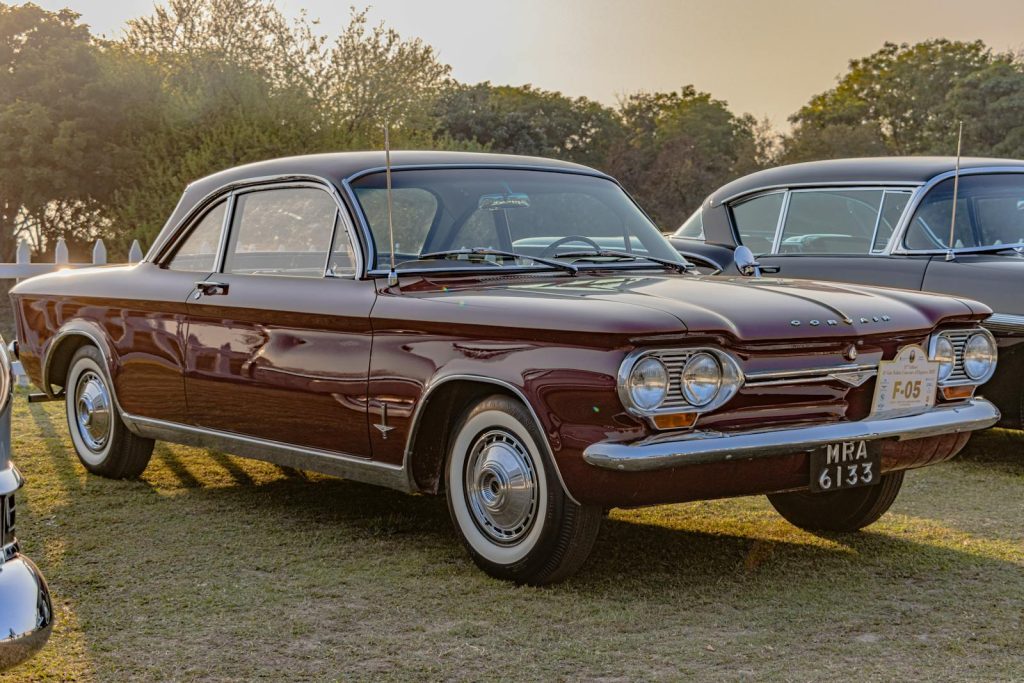
You’ll notice the Corvair stands out for its rear-mounted, air-cooled engine — a rare layout for American cars. That design gave it a distinctive profile but made some maintenance tasks awkward and cooling uneven on early models.
You may have heard safety controversies tied to the Corvair, which hurt its reputation and sales. Despite that, some owners appreciate its styling and innovation if you’re willing to live with quirks and careful upkeep.
Chevrolet Vega
You might recognize the Vega as a compact that promised efficiency and style in the early 1970s. Many owners found its aluminum alloy engine and thin sheet metal led to overheating and rapid rusting.
If you bought one new, warranty repairs and reliability headaches became common. The Vega’s issues shifted public trust and made it a frequent example of design and quality-control failures.
Chevrolet Citation
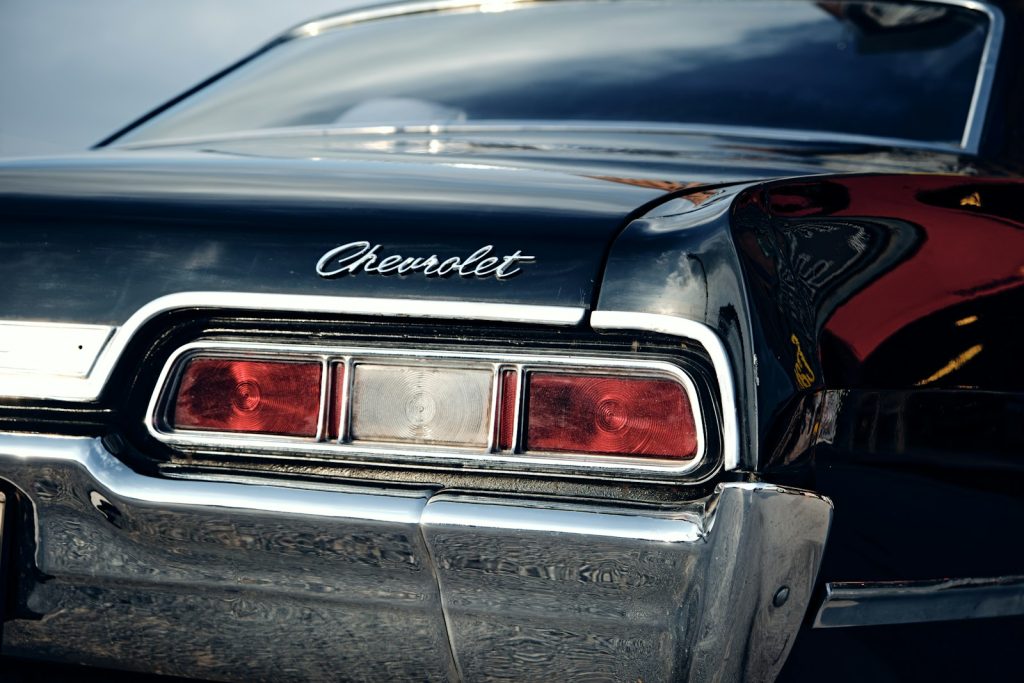
You might remember the Citation as GM’s compact that promised modern handling and fuel efficiency. Early sales were strong, but reliability and build-quality problems soon undermined its reputation.
You’d encounter issues like brake and suspension failures that required frequent repairs. Those faults, combined with quality inconsistencies, made ownership frustrating for many.
Chevrolet Astro Van
You might appreciate the Astro Van’s roomy interior, but many owners found its reliability uneven across model years. Common complaints include transmission and electrical issues that can be costly to fix.
If you’re looking at used examples, expect rust in older vans and limited safety features compared with later vehicles. Service history and a pre-purchase inspection will help you judge whether a specific Astro fits your needs.
Chevrolet Malibu (early models)
You might find early Malibu models charming but they often came with reliability and rust problems that hurt ownership experience. Engines could be temperamental and electrical quirks were common, making maintenance more demanding than newer cars.
If you buy one, expect to budget for bodywork and frequent repairs. Parts are generally available, but your mechanic time will likely be higher than for later-generation Malibus.
Chevrolet Chevette
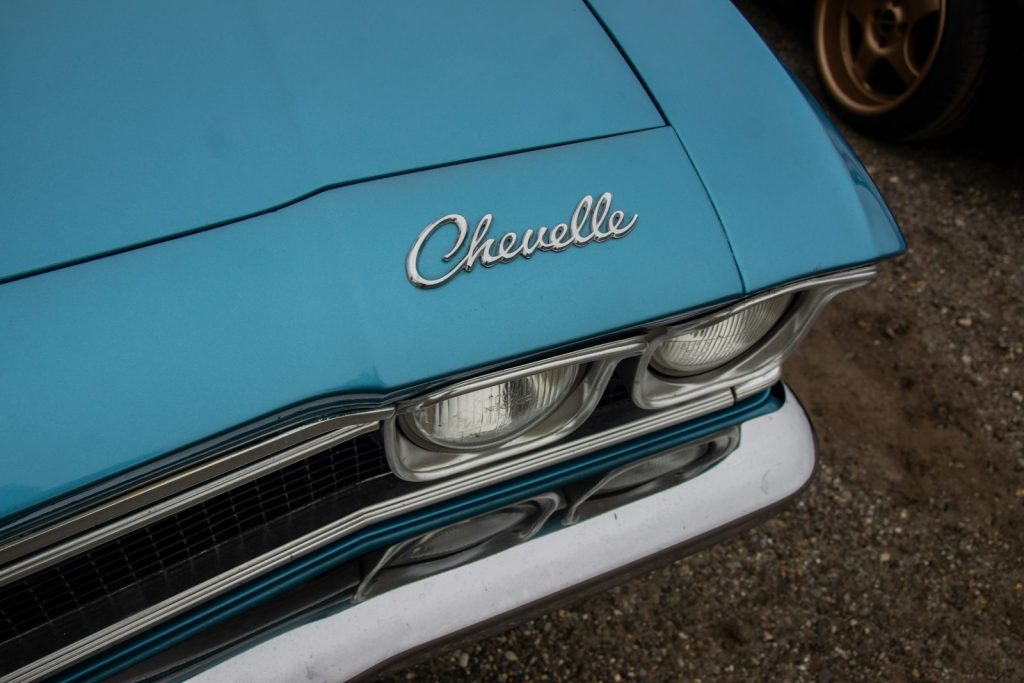
You’ll notice the Chevette aimed for economy and simplicity, but it often fell short on performance and refinement.
Its small, underpowered engine and floaty handling made highway driving less confident than you might expect.
You might appreciate its low purchase price and basic practicality for city errands.
Still, many drivers found the interior and build quality uninspiring compared with competitors.
Chevrolet Monza
You might expect a sporty small car, but the Monza often fell short of that promise. It shared underpinnings and engines with the Vega, which left it with weak performance and durability issues.
Rust and hard-to-reach components made maintenance frustrating for owners. Interiors felt cramped, and many drivers found the Monza neither comfortable nor reliably engaging to drive.
More from Steel Horse Rides: