

You’ve probably admired classic Plymouths from afar, but not every vintage model earns a spot in the driveway. This article guides you through seven Plymouths that aged poorly — whether by looks, reliability, or reputation — so you can spot the cautionary tales among the classics.
You’ll learn which models to avoid and why they’ve become the cars even Grandma wouldn’t risk driving.
Expect a mix of styling misfires, mechanical headaches, and era-specific problems as you move through each example. The list covers models spanning the 1950s to the late 1990s, giving you context on how changing tastes and engineering choices shaped their legacies.
1962 Plymouth Fury
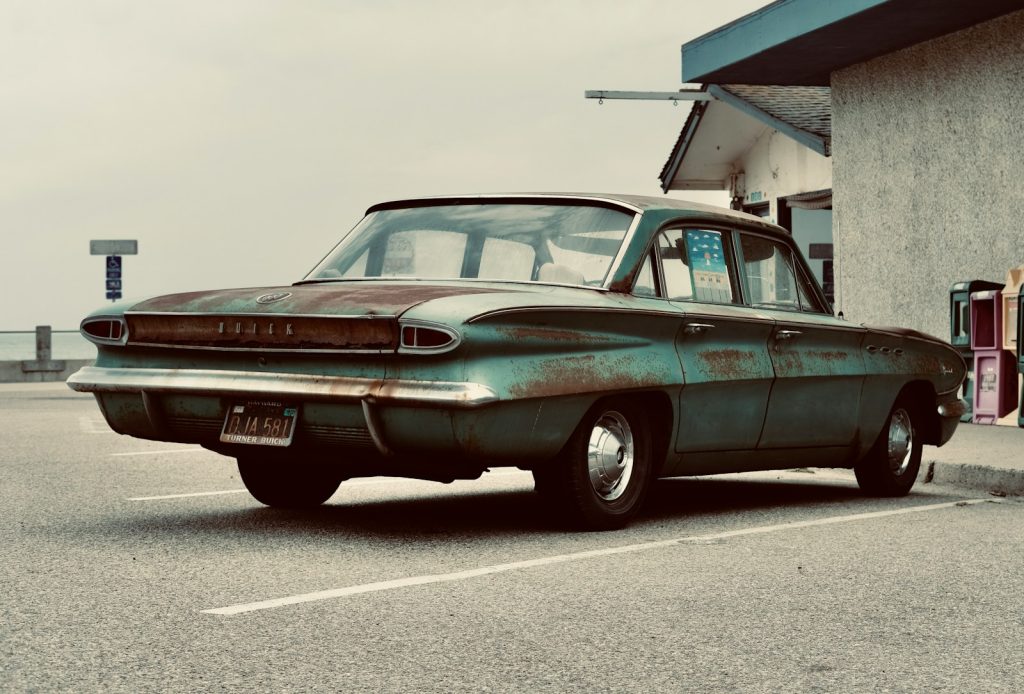
You might expect a revival, but the 1962 Fury confuses buyers with its odd styling and middling sales. Critics praised some mechanical updates, yet many shoppers skipped it for sleeker Ford and GM midsize rivals.
If you value reliability, know some owners reported complaints and recalls over the years. Restoring one can be rewarding, but expect parts hunting and patience.
1998 Plymouth Voyager
You’ll notice the 1998 Voyager has a reputation for frequent engine and transmission issues. Owners report intake manifold gasket failures, cooling problems, and slipping transmissions that can make maintenance costly.
The interior and accessories also draw complaints, so expect worn components and electrical quirks on higher-mileage examples. If you’re shopping one, prioritize a thorough inspection and maintenance records.
1957 Plymouth Models

You’d find Plymouth’s 1957 lineup wide and confusing, spanning Plaza, Savoy, Belvedere, Fury, and Suburban station wagons. Sales peaked that year, so these cars were everywhere despite mixed quality reports.
You might spot flashy Belvederes and basic Plazas on the same block. Performance and trim varied a lot, so what looks charming might hide mechanical headaches.
1961 Plymouth Fury
You’ll notice the 1961 Fury’s flamboyant styling before anything else — big fins and a bold grille that divide opinions.
Under the skin, handling and brake improvements tried to keep pace with the looks, but ride quality can feel dated today.
Maintenance can be a headache if your car has rare options like cross-ram injection or unusual steering bits.
Parts and restoration work add up fast, so expect time and expense if you plan to keep one running.
1997 Plymouth Grand Voyager
You might remember this minivan from family road trips, but its reliability problems make it a risky pick today. Owners report frequent transmission failures, electrical gremlins, and recurring engine or fuel-system troubles.
If you’re considering one, expect higher maintenance and careful inspection of the transmission and wiring. Bring a trusted mechanic and budget for repairs rather than assuming it’ll run trouble-free.
1999 Plymouth Grand Voyager
You’ll notice the 1999 Grand Voyager has a reputation for frequent mechanical issues, especially with the transmission and electrical systems. Owners also report airbag faults and recurring heater/AC problems.
If you value low maintenance costs, this van may frustrate you; repairs can add up and often arrive after warranty periods. Still, it offers roomy seating and simple features that might appeal if you can live with its quirks.
1960 Plymouth Fury
You’ll notice the 1960 Fury’s over-the-top fins and bold trim before you see its cramped interior. The styling aimed for flash but left many buyers cold, and sales dropped sharply that year.
Mechanically it used Chrysler’s unitized construction and offered strong V8s, yet handling and ergonomics didn’t match the look. If you prefer understated reliability over parade-ground flair, this Fury isn’t your first pick.
More from Steel Horse Rides: