

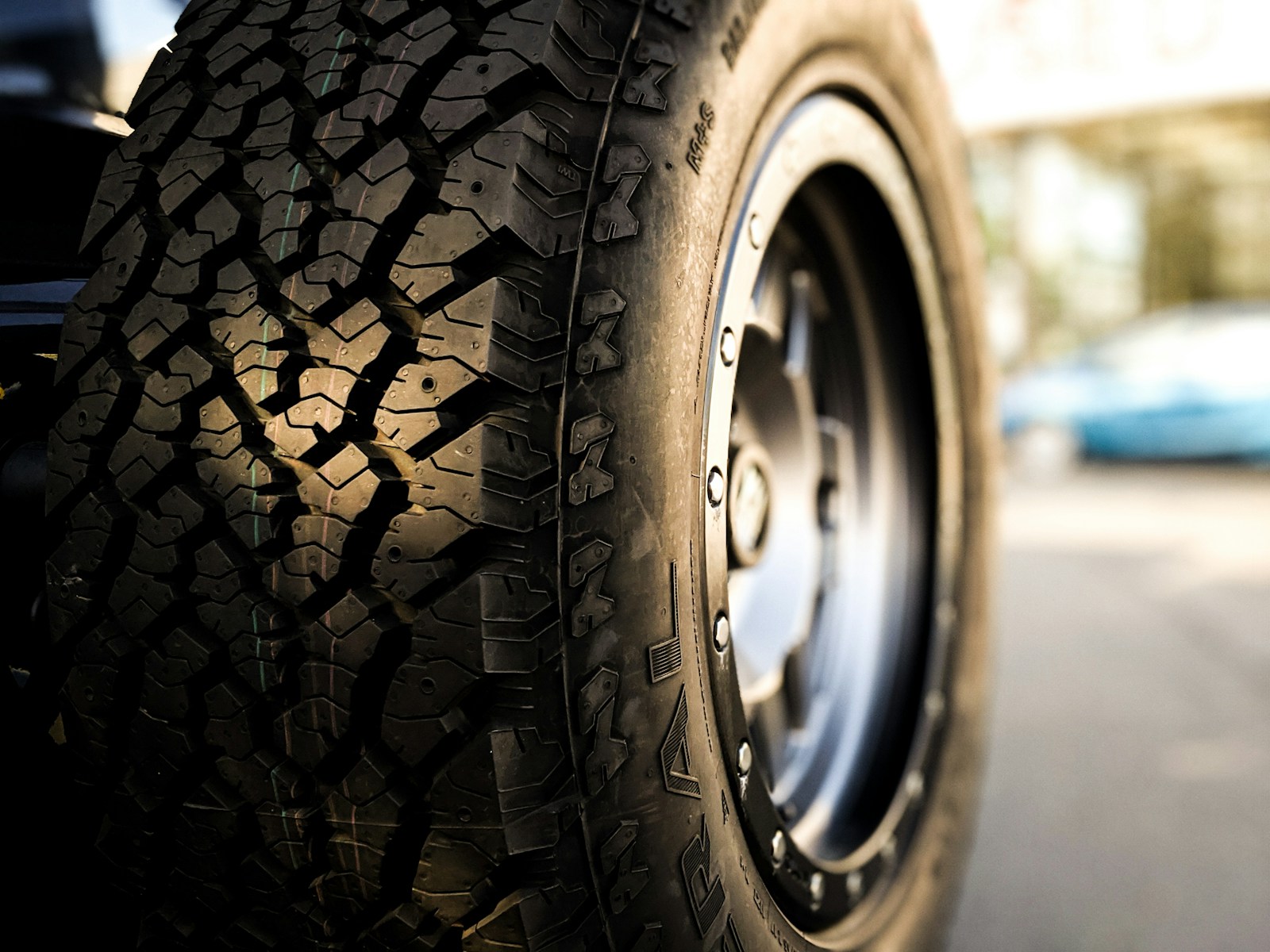
All-season tires are a compromise by design, built to handle dry pavement, wet roads, and light winter conditions reasonably well without excelling at any one of them. Consumer Reports and other independent testing organizations regularly evaluate tread wear, wet braking distance, and ride comfort across major brands, and the results consistently point to a handful of standout performers.
If you’re comparing tires before your next set wears out, these eight brands come up repeatedly in independent testing and long-term reliability data, worth putting on your shortlist before paying a premium for a name alone.
Michelin CrossClimate2
Michelin’s CrossClimate2 is one of the highest-rated all-season and all-weather tires in independent testing, including strong marks from Consumer Reports’ tire brand evaluations, which credit it with strong wet and snow traction alongside long tread life for the category. Michelin has consistently ranked among the top-scoring tire brands overall in Consumer Reports’ broader testing, a track record built over years of testing across different tire lines and vehicle segments. The CrossClimate2 carries the three-peak mountain snowflake symbol, meaning it’s certified for use in conditions requiring winter traction, unlike many standard all-season tires. For drivers who want one set of tires that genuinely covers light snow without switching to dedicated winter tires, this is consistently one of the most recommended options in independent reviews, though it comes at a price premium reflecting that performance.
Continental TrueContact Tour
Continental’s TrueContact Tour is positioned as a comfort-and-longevity-focused all-season touring tire, and Continental as a brand has scored well in Consumer Reports’ testing for tread wear and wet braking performance relative to its category. Continental is a German manufacturer with a long history in European tire engineering, and that background shows up in the TrueContact Tour’s ride quality and handling balance, which reviewers frequently note as more refined than budget touring tires. It’s aimed at sedans, minivans, and crossovers rather than performance vehicles, prioritizing a quiet ride and long tread life over aggressive grip. For drivers whose priority is a comfortable daily commute and predictable wet-weather braking rather than sporty handling, Continental’s touring lineup is a frequently recommended pick in independent tire roundups.
Bridgestone Turanza
Bridgestone’s Turanza line is another perennial strong performer in touring all-season testing, and Bridgestone as a manufacturer supplies factory-fit tires to a wide range of automakers, which speaks to the brand’s manufacturing consistency and OEM-level quality control. The Turanza is generally tested and marketed as a grand-touring option, balancing a comfortable ride with respectable wet traction and tread life. Bridgestone has a long track record in Consumer Reports’ brand rankings and independent tire tests, generally scoring competitively alongside Michelin and Continental in the touring and all-season categories. For drivers replacing factory tires on a sedan or crossover and wanting something with a similar ride character to what came stock, a Turanza is often the closest match, since Bridgestone tires are common factory-fit equipment across several automakers.
Goodyear Assurance
Goodyear’s Assurance lineup, including the WeatherReady and MaxLife variants, is aimed squarely at everyday commuter vehicles, with the WeatherReady version carrying the three-peak mountain snowflake rating for certified winter traction. Goodyear is one of the longest-established American tire manufacturers and continues to be a common factory-fit brand on domestic vehicles. The Assurance line has performed competitively in independent all-season testing, particularly for wet braking distance, a metric that matters more for everyday safety than most drivers realize. For buyers who want a well-known, widely available American brand with a tire specifically designed to handle occasional snow without needing dedicated winter tires, the Assurance WeatherReady is one of the more commonly recommended all-weather options in that price bracket.
Michelin Defender2
Michelin’s Defender2 is marketed primarily around tread longevity and fuel efficiency rather than all-weather capability, and it has been noted in independent testing for delivering long tread life without a major sacrifice in wet-weather grip. This is the tire to consider if your priority is minimizing how often you replace tires rather than maximizing winter capability, since it doesn’t carry the same snow-traction certification as the CrossClimate2. Michelin’s broader reputation for tread durability, reflected in consistent scores in Consumer Reports’ testing, applies here as well. For drivers doing heavy highway mileage who want to stretch the interval between tire purchases as far as reasonably possible while still getting dependable wet braking, the Defender2 is frequently cited as one of the best choices in that specific use case.
General Altimax RT43
General Tire’s Altimax RT43 is consistently highlighted in touring all-season comparisons as a strong value option, delivering performance that’s often compared favorably to pricier premium-brand touring tires at a lower cost per tire. General Tire is owned by Continental, meaning it benefits from some of the same engineering resources as the higher-priced Continental-branded lineup, while being positioned and priced as a more budget-conscious choice. For drivers who want touring-tire comfort and respectable wet traction without paying premium-brand pricing, the Altimax RT43 shows up repeatedly in buyer’s guides as one of the better price-to-performance tires in the category, making it a reasonable middle-ground pick between ultra-budget tires and the top-tier Michelin and Bridgestone offerings.
Yokohama Avid Ascend GT
Yokohama’s Avid Ascend GT is a touring all-season tire that has drawn attention in independent reviews for its tread wear warranty and fuel-efficient rolling resistance, appealing to drivers prioritizing long-term cost of ownership. Yokohama is a Japanese manufacturer with a strong reputation in Asia and a growing presence in the U.S. touring tire market, competing directly with Bridgestone and Michelin’s comfort-oriented lines. The Avid Ascend GT is generally positioned as a mid-range option, priced below the top Michelin and Bridgestone touring tires while still delivering competitive wet traction scores in independent testing. For owners of sedans and crossovers looking for a lesser-known but well-regarded brand with a strong warranty, Yokohama’s touring line is worth cross-shopping against the bigger household names.
Kumho Solus TA31
Kumho’s Solus TA31 has earned a reputation as one of the better budget-tier all-season touring tires, frequently recommended in buyer’s guides for delivering acceptable wet and dry performance at a noticeably lower price point than the premium brands on this list. Kumho is a South Korean manufacturer that has steadily built credibility in the U.S. aftermarket over the past couple of decades, moving beyond its earlier reputation as a purely budget option. The Solus TA31 won’t match a Michelin CrossClimate2 in outright wet-weather grip or snow traction, but for cost-conscious buyers replacing tires on an older or lower-value vehicle, it’s frequently cited as one of the better balances of price and everyday performance in independent tire comparisons.