

Every one of these eight cars had a genuinely good pitch when it was new. A clever bit of engineering, a strong value proposition, or a badge with real credibility behind it convinced a lot of buyers that they were making a smart, safe choice. For a while, in a lot of cases, they were right.
Then the miles piled up, the warranty ran out, and a specific weakness that wasn’t obvious on day one started showing up in owner forums, repair shop waiting rooms, and eventually in the resale value. None of these are universally terrible cars, but each developed a well-documented pattern that turned a reasonable number of confident buyers into cautionary tales for the next person shopping the same model.
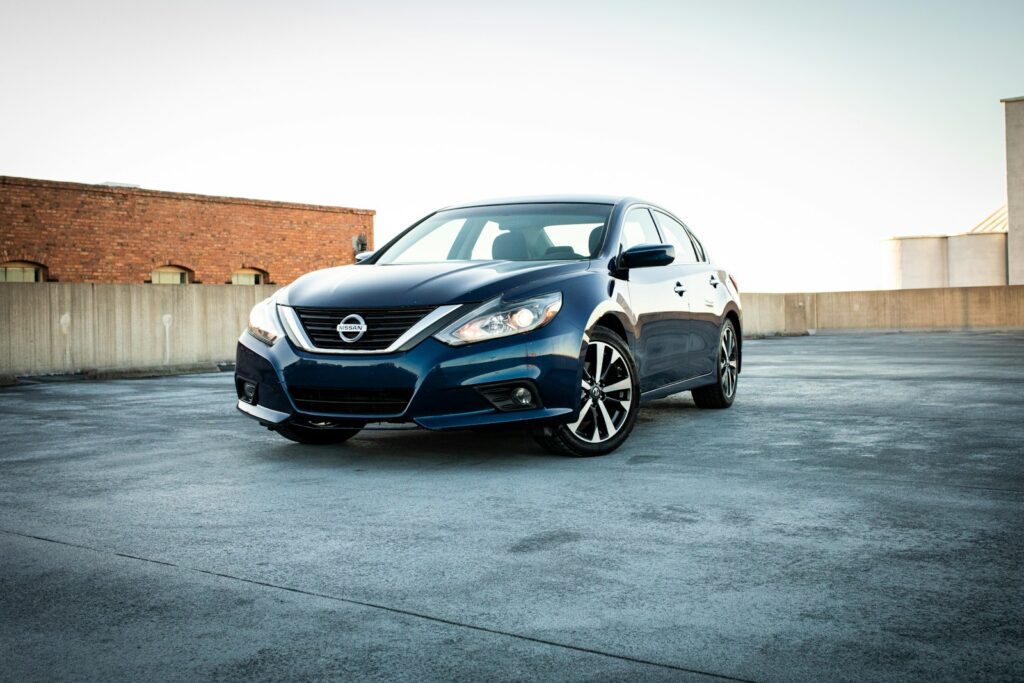
Nissan Altima (CVT Generations)
The Altima’s continuously variable transmission promised smooth, efficient power delivery and looked competitive against rivals still using conventional automatics when it launched. In practice, several model years developed a reputation for shuddering, overheating, and premature failure serious enough that owner complaints and litigation followed, and Nissan eventually extended warranty coverage on affected CVTs well beyond the original terms. Owners who bought an Altima expecting a straightforward, low-drama commuter car instead found themselves budgeting for a major transmission repair or replacement earlier than almost any comparable sedan in its class, turning a car chosen specifically for its low expected cost of ownership into one of the pricier surprises in the segment.
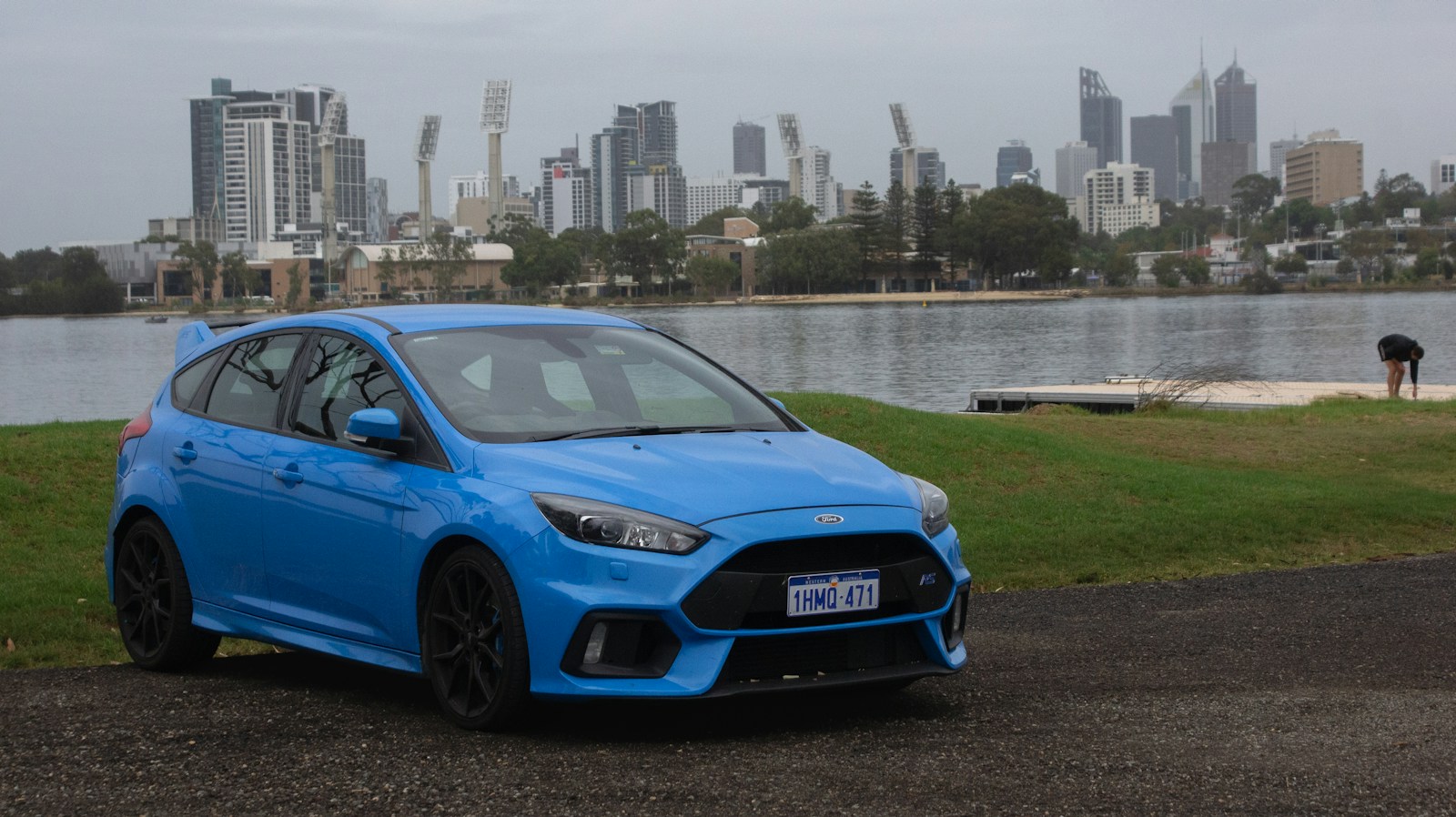
Ford Focus and Fiesta (PowerShift Transmission)
Ford’s dry dual-clutch PowerShift automatic was pitched as delivering manual-transmission efficiency with automatic convenience, a compelling combination on paper for two of the brand’s most affordable models. Instead, the transmission developed a reputation for shuddering, hesitation, and premature clutch wear serious enough that Ford settled a class-action lawsuit over the transmission problems in these vehicles. Buyers who chose the Focus or Fiesta specifically for their low starting price and promised efficiency instead found themselves dealing with repeat dealership visits and, in many cases, a transmission that never fully behaved the way a conventional automatic would have from day one.
Volkswagen Beetle and Passat (2.0L TDI Diesel Era)
The diesel-powered Beetle and Passat were marketed around genuinely impressive real-world fuel economy and a reputation for clean-diesel technology that turned out to be built on falsified emissions testing, a scandal that became public in 2015 and led to a massive buyback and settlement program. Owners who bought in specifically for the environmental pitch and the diesel’s efficiency found themselves at the center of a genuine corporate scandal rather than simply owning an efficient commuter car, with resale values and brand trust taking a hit that outlasted the buyback program itself. The mechanical car underneath the scandal was often perfectly capable, which made the whole episode feel even more like a betrayal of trust rather than a simple engineering failure.
Fiat 500
The reborn 500’s charm, retro styling, and genuinely fun-to-drive character made it an easy car to fall for on a test drive, especially for buyers looking for something different from the usual compact car lineup. Reliability surveys and owner complaints have consistently pointed to electrical issues, transmission problems, and a dealer network in the US that shrank considerably as Fiat’s American sales struggled, making parts and qualified service harder to find over time. Buyers who wanted a quirky, affordable city car often found themselves owning one of the more difficult vehicles in its segment to keep running smoothly once it passed the honeymoon period.
Chrysler 200
The redesigned 200 arrived with genuinely competitive styling and a spec sheet aimed squarely at established midsize sedan leaders, positioning itself as a legitimate alternative for buyers tired of the usual choices. Reliability rankings and owner complaints told a different story once these cars aged, with transmission issues on the nine-speed automatic and a range of electrical gremlins showing up commonly enough that Chrysler discontinued the model within just a few years of its redesign. Buyers who took a chance on the 200 as a value-priced alternative to more established competitors frequently found themselves owning a car whose own manufacturer had effectively given up on it.
Mini Cooper (Turbocharged Generations)
The turbocharged Mini Cooper backs up its go-kart driving reputation with genuinely engaging performance, but that performance has come paired with a track record of timing chain issues, cooling system failures, and electrical gremlins that owner forums discuss extensively. Repair costs on a Mini can also run higher than buyers expect going in, since parts and specialized service aren’t as widely available or as cheap as they are for mainstream compact cars. Owners who bought a Mini specifically for the fun factor and the compact footprint often discover that fun comes with a maintenance budget closer to a small luxury car than to the economy hatchback it superficially resembles.
Land Rover Range Rover Evoque
The Evoque’s striking styling and genuinely upscale interior made it one of the more aspirational compact luxury SUVs on the market when it launched, appealing to buyers who wanted a design statement more than outright practicality. Owners have consistently reported transmission problems, electrical faults, and infotainment issues at a rate that’s landed Land Rover near the bottom of major reliability rankings for years running. Buyers who chose the Evoque primarily for how it looked in the driveway often found the ownership reality, frequent dealer visits and unpredictable warning lights, considerably less glamorous than the showroom experience that sold them on it.
BMW 5 Series (N63 Twin-Turbo V8 Era)
The N63 twin-turbo V8 offered genuinely strong performance figures that fit the 5 Series’ sporty-luxury positioning, but it developed a well-known reputation among owners and independent shops for excessive oil consumption and related issues significant enough that BMW offered a customer support program covering certain repairs for affected owners outside of normal warranty terms. Buyers who chose the 5 Series for its blend of luxury and performance sometimes found themselves topping off oil between changes far more often than expected, along with facing repair bills for a complex, tightly packaged engine bay that makes even routine work more labor-intensive than on simpler competitors.