
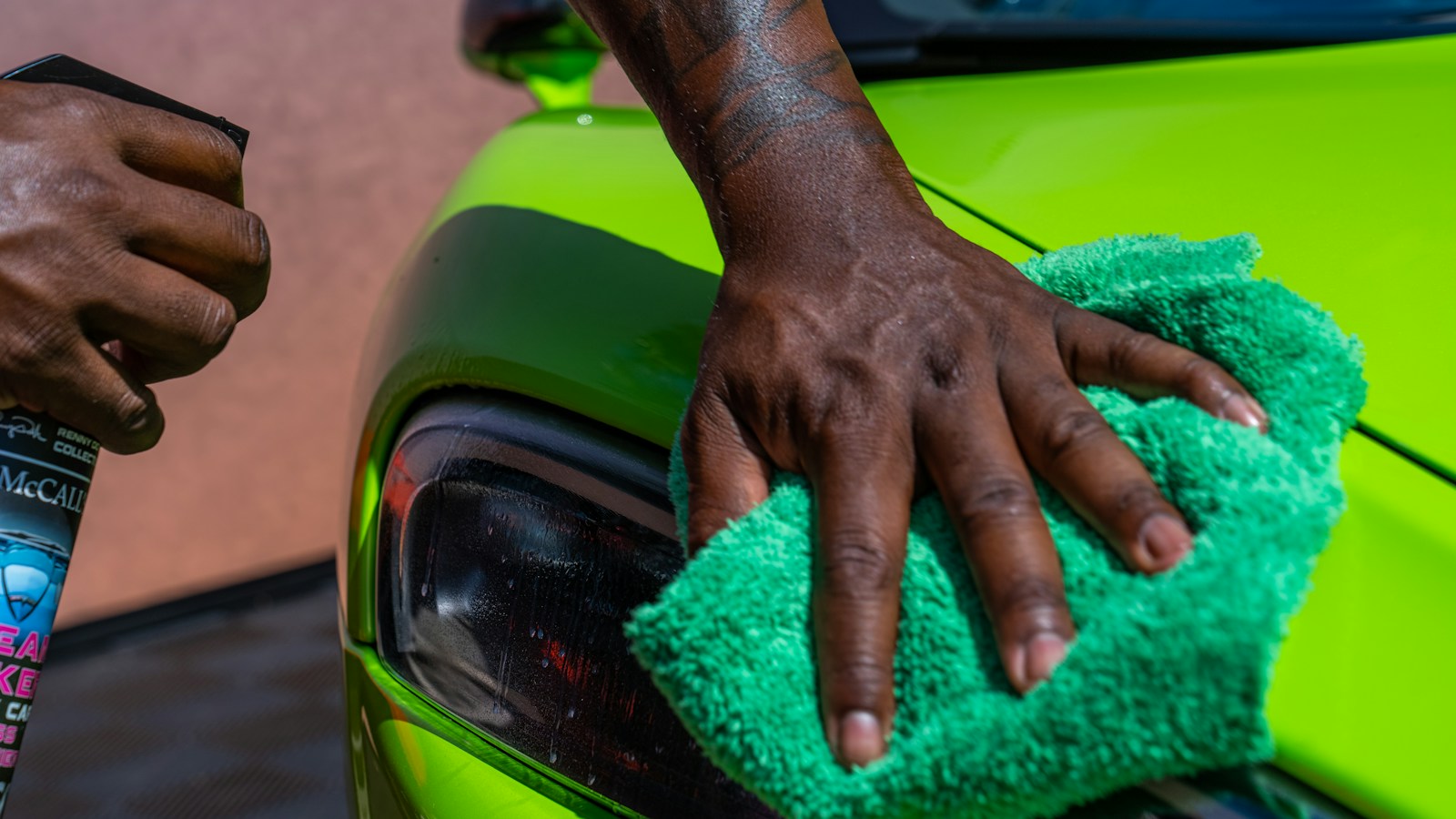

Ceramic spray coatings exploded in popularity as a do-it-yourself alternative to professional ceramic coating jobs that can cost hundreds or thousands of dollars. The pitch is appealing: spray-on nanotechnology protection that lasts months instead of weeks, at a fraction of the price. The trouble is that the term “ceramic” doesn’t have a strict regulatory definition in this category, which leaves a lot of room for marketing to outrun what a product actually delivers.
According to detailing-focused breakdowns like Jimbo’s Detailing’s look at what matters versus hype in ceramic spray reviews, here are eight situations worth understanding before spraying one on your paint.
Products Marketed With Multi-Year Durability Claims
Some ceramic sprays claim protection lasting a year or more from a single application, a durability window that’s difficult for an average buyer to verify and that professional-grade, multi-step ceramic coatings applied by trained installers often don’t even reach. Detailing professionals generally note that a genuine ceramic coating’s longevity depends heavily on paint prep, application conditions, and ongoing maintenance washing, none of which a simple spray-on product controls. A multi-year claim on a product applied in your driveway in twenty minutes deserves real skepticism regardless of the brand behind it.
Sprays That Don’t Disclose Their Silica Dioxide Content
The protective, hydrophobic quality of a genuine ceramic product comes largely from its silica dioxide, or SiO2, concentration, and reputable brands increasingly disclose this percentage as a point of differentiation. Products that market themselves broadly as “ceramic” without specifying any SiO2 content are harder to evaluate against competitors, since the term alone doesn’t guarantee a meaningful concentration of the active protective ingredient. Detailing enthusiasts recommend treating an undisclosed SiO2 percentage as a reason to compare against a product that does publish one.
Sprays Requiring a Specific, Narrow Application Window
Some ceramic sprays require careful application within a narrow temperature and humidity window, along with a very specific wipe-off timing, to bond properly to the paint surface. Products that don’t clearly disclose these requirements upfront can lead first-time users to apply the product incorrectly and see disappointing results, then blame the product rather than the application conditions. Reading the full application instructions before purchase, not just the marketing copy, helps set realistic expectations about how forgiving a given product actually is for a driveway application.
Sprays That Show Uneven Water Beading Within Weeks
Water beading and sheeting is the most visible, testable sign of a ceramic coating’s ongoing hydrophobic performance, and detailing forums frequently discuss specific products losing that beading effect noticeably faster than their advertised durability window suggests. A spray losing its hydrophobic properties within a few weeks of a months-long claimed lifespan is a clear, visible sign the product isn’t performing as marketed, and it’s worth tracking bead behavior yourself over the following weeks after any new application to hold a product accountable to its own claims.
Bundled Kits With an Undersized Applicator or Towel
Some ceramic spray kits are sold bundled with an applicator pad or microfiber towel sized inadequately for a full vehicle application, leading to streaking or uneven coverage that isn’t necessarily the coating chemistry’s fault. Detailing enthusiasts generally recommend budgeting for a proper-sized, quality applicator and buffing towel separately rather than assuming a bundled kit’s included tools are sufficient for a clean, even application on a full-size vehicle.
Sprays Marketed as a Replacement for Professional Ceramic Coating
Marketing language positioning a spray-on product as functionally equivalent to a professionally applied multi-layer ceramic coating oversells what a single consumer-grade spray application can realistically achieve. Professional coatings typically involve paint correction, multiple coating layers, and controlled curing conditions that a driveway spray application simply can’t replicate. A ceramic spray can be a genuinely useful, affordable maintenance product, but treating it as a full substitute for professional-grade protection sets an unrealistic bar the product was never actually built to clear.
Sprays With No Independent Durability Testing Published
Few ceramic spray brands publish independent, third-party accelerated weathering or durability test results alongside their marketing claims, relying instead on customer testimonials and in-house demonstration videos. Detailing publications generally treat the absence of independent testing data as a reasonable basis for skepticism toward any specific durability claim, since a manufacturer confident in its product’s real-world longevity has an incentive to seek and publish that kind of verification.
Sprays That Require Frequent Reapplication Despite “Long-Lasting” Branding
Some products branded around long-lasting protection actually recommend reapplication every four to six weeks in their own fine-print maintenance instructions, a cadence that undercuts the long-lasting positioning used in the product’s primary marketing. Reading the actual maintenance schedule printed on the product, rather than relying on the front-label branding language, is the only reliable way to know what kind of ongoing commitment a specific ceramic spray actually requires to maintain its advertised look.